
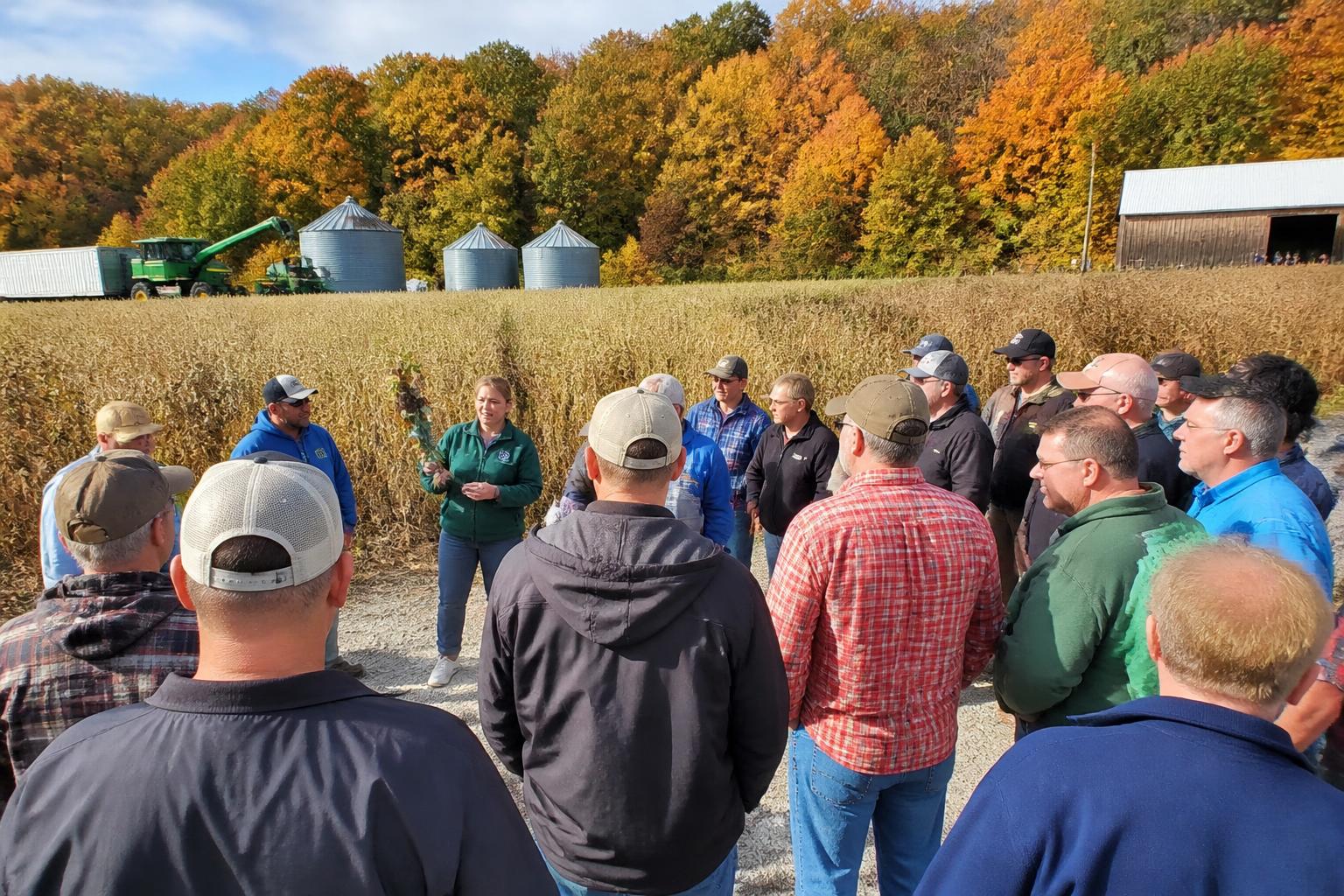
As the fall season progresses, Rhode Island agricultural producers are facing increased scrutiny regarding the presence and spread of invasive pest species. The Rhode Island Department of Environmental Management has recently conducted targeted educational workshops to assist farmers, orchard managers, and land owners in identifying and managing the spotted lanternfly, a persistent threat to regional plant health.
While this insect can impact a wide range of vegetation, its potential to damage specialty crops and woody ornamentals makes early detection a critical component of farm management. Maintaining vigilance in orchards and nurseries remains a priority for producers aiming to protect their assets from long-term infestation and the secondary challenges that often accompany high pest pressure, such as increased input costs for mitigation and loss of marketability.
Implementing Proactive Pest Management
Integrated Pest Management (IPM) strategies are essential for operations looking to minimize the impact of invasive species. In many parts of Rhode Island, regional agricultural specialists emphasize the importance of scouting for egg masses on tree trunks and other surfaces as the temperatures drop. Consistent monitoring can help operators avoid significant losses before they reach an economic threshold.
For those managing farmland assets and long-term rural stability, protecting the integrity of local perennial crops from invasive spread is not just an environmental goal but a financial necessity. Collaborating with state agricultural resources can provide growers with the latest guidance on chemical and mechanical controls tailored to local conditions.
What it means for the market
For agribusinesses and local producers, the active management of invasive pests like the spotted lanternfly is a key factor in maintaining the long-term profitability of the state's agricultural sector. Early intervention can help prevent the wide-scale regulatory movement restrictions and increased operational costs that often follow confirmed, uncontrolled infestations, ultimately stabilizing product flow and reducing risk for regional supply chains.
Comments
No comments yet - be the first to share your take.