
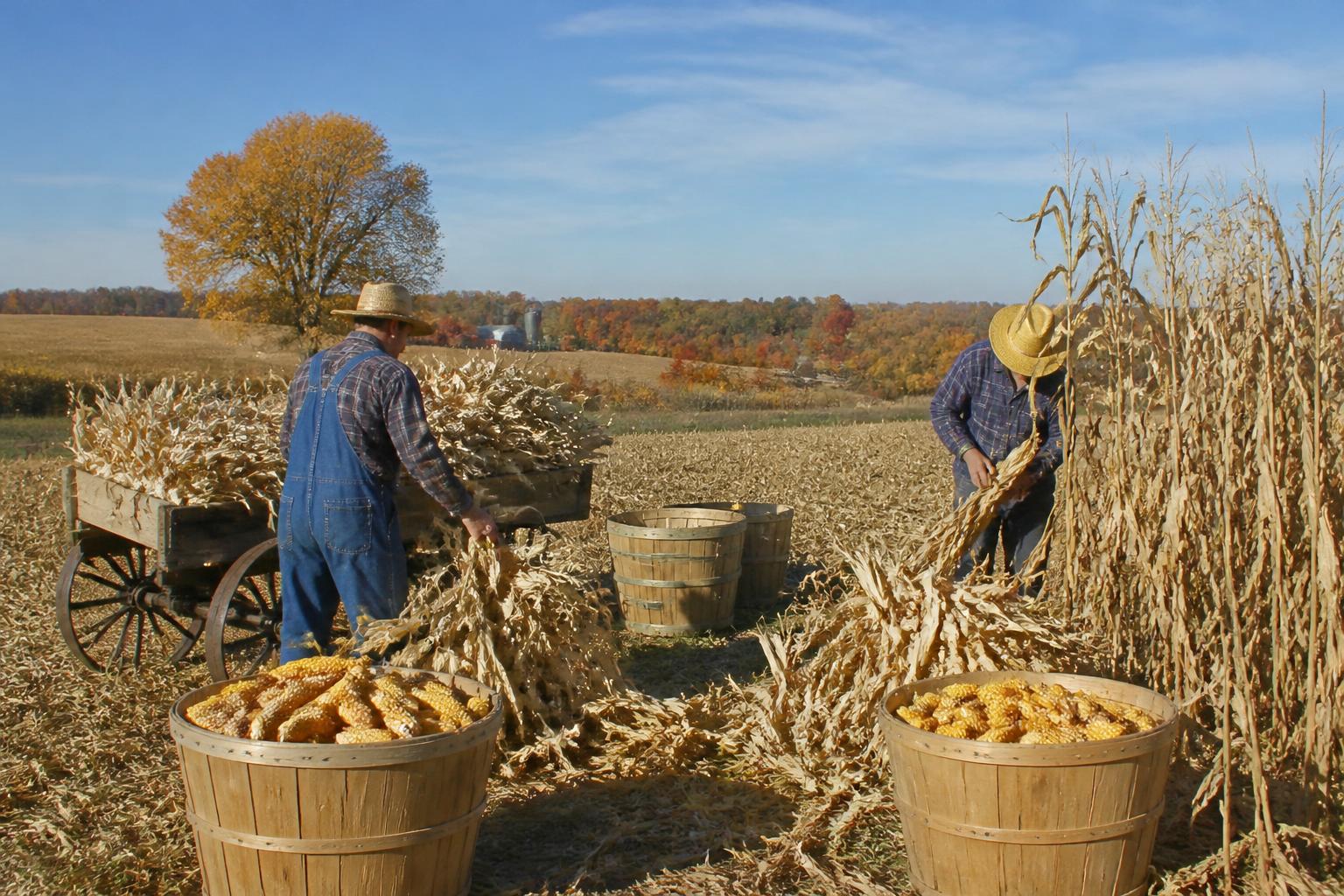
With production costs for staples like corn continuing to challenge bottom lines, many Illinois producers are recalibrating their operational strategies. The current economic environment, marked by significant pressure on farm incomes, has intensified the need for precise management of input expenses. For many, this means balancing the long-term benefits of soil health and input efficiency against immediate cash flow realities.
The agricultural landscape across the state remains diverse, from the fertile corridors of northern Illinois to the various operations in the central and southern reaches. As farmers look toward future cropping plans, many are weighing relative profitability, often scrutinizing every variable to mitigate financial distress. This disciplined approach is critical as the industry faces a period where there is no singular solution for sustaining the broader farm economy.
Refining Input Strategies
Beyond basic cost cutting, the focus has shifted toward technological integration and research-backed practices. Ongoing efforts to optimize nutrient management, such as the use of nitrogen inhibitors, represent a proactive shift toward both environmental stewardship and economic resilience. By minimizing nitrogen loss, producers may find opportunities to improve their input-to-yield ratio, a vital metric as we head into the next planting cycle.
Market Stability and Operational Resilience
While recent harvests have shown varied results, the logistical and financial pressures on grain handlers and farmers alike persist. Maintaining awareness of yield discrepancies and the localized impact of market fluctuations is standard practice for those navigating current volatility. Additionally, staying informed on logistics and market outlooks remains a key component of managing risk during the off-season.
What it means for the market: Producers who prioritize financial agility and data-driven input decisions are better positioned to weather periods of compressed margins. As we move through the fall, the focus shifts from harvest logistics to tactical planning, where efficiency in every application and a clear understanding of regional market trends will be the primary drivers of long-term viability.
Comments
No comments yet - be the first to share your take.