
California's agricultural landscape is shifting as growers enter the final weeks of 2026. Producers across the state, from the Central Valley to the North Bay, are increasingly managing a dual reality: the pressure of rising compliance costs and the search for sustainable, long-term asset security.
For many small-to-medium-sized operations, the focus remains on the financial impact of evolving environmental regulations. Recent developments in groundwater management have underscored the need for careful financial planning, as navigating groundwater reporting and fee structures becomes a central part of operational overhead. These costs, while necessary for resource sustainability, require precise margin management to ensure long-term viability.
Land Stewardship and Renewable Energy
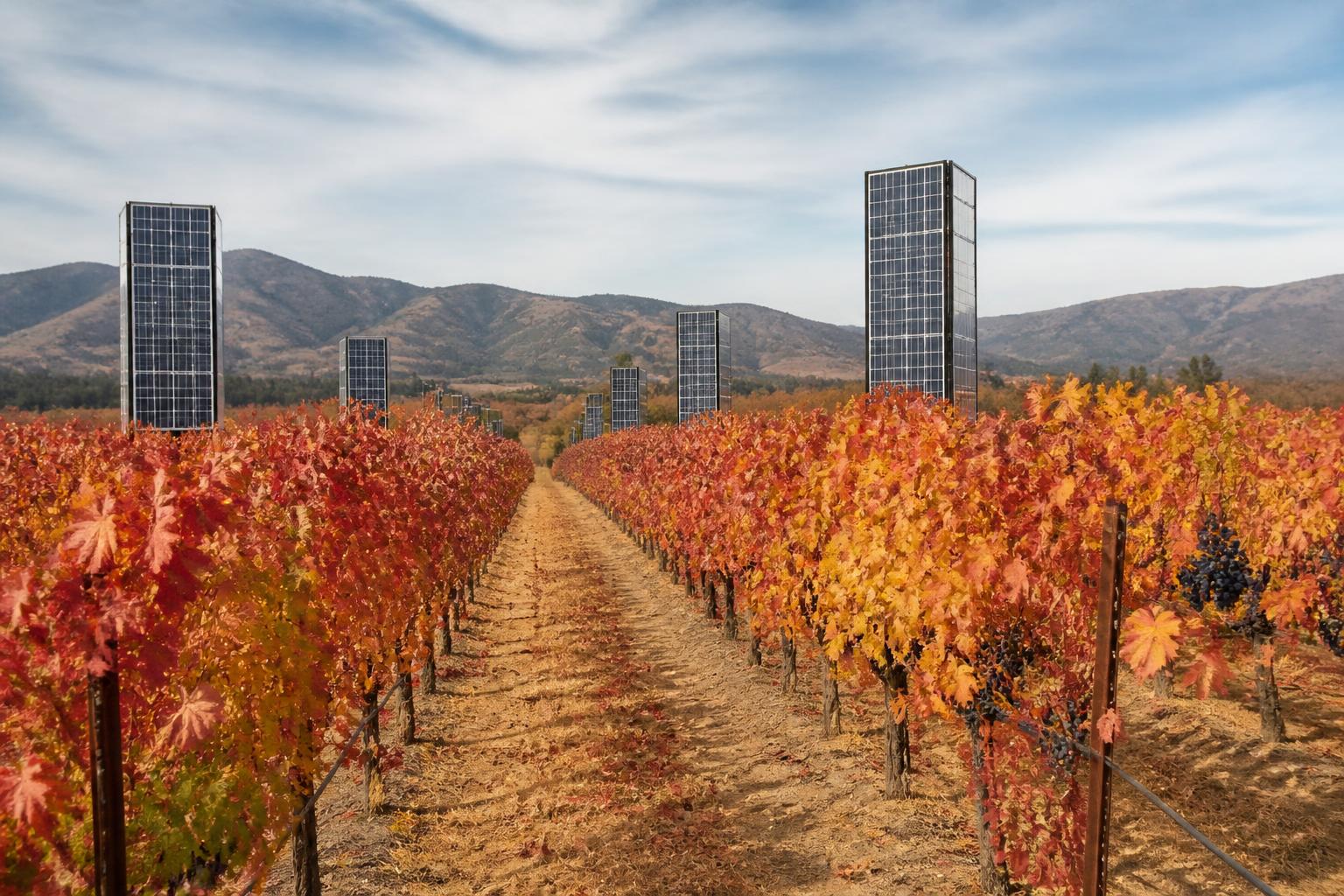
Innovation continues to offer potential paths for stabilization. Some California growers are experimenting with agrivoltaics, including vertical solar installations that allow for continued machinery access in orchards and vineyards. This practice aims to balance energy generation with land production, potentially offering an auxiliary revenue stream that does not impede traditional harvest cycles. Meanwhile, conservation efforts remain a critical tool for protecting against development; for example, targeted land-easement agreements continue to serve as a vital mechanism for preserving prime acreage from suburban encroachment.
Building Operational Resilience
Whether navigating new climate-focused initiatives or adjusting to shifts in global grain demand, the focus for California agribusinesses remains on resilience. With the state's diverse specialty crop sectors facing distinct challenges compared to broad-acre commodity growers, local leaders are emphasizing the importance of diversified risk management. Producers are encouraged to keep a close eye on administrative shifts that could impact operational permits or water access as the calendar turns toward 2027.
What it means for the market
Market participants should anticipate a period of consolidation as operators review their bottom lines. While regulatory fees may pinch near-term margins, those who effectively manage their operational and regulatory landscapes are better positioned to weather the volatility inherent in today's agricultural economy. Staying informed on land-use policy will be essential for those looking to protect their assets through the coming year.
Comments
No comments yet - be the first to share your take.