
Managing Harvest Logistics Amid Fuel Volatility
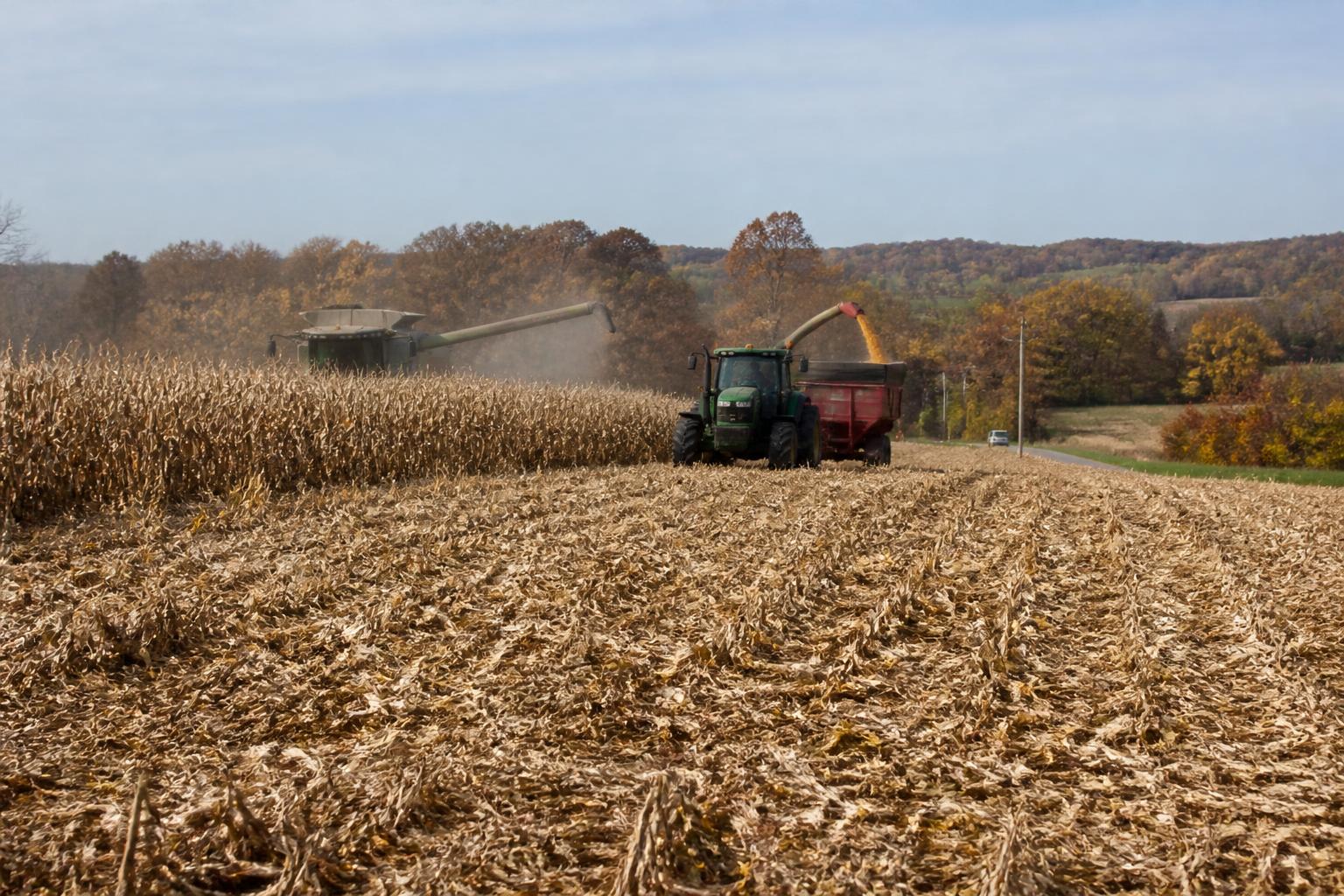
As the fall harvest continues across Ohio, producers are grappling with the persistent impact of rising fuel costs on their operational bottom lines. The increased expense of moving grain from the field to local elevators or regional processing hubs is tightening profit margins, forcing many agribusinesses to re-evaluate their logistical workflows. Efficient route planning and optimized machinery use are becoming essential as transport expenses continue to weigh heavily on the season's financial performance. These logistical pressures remain a key concern for those looking to navigate late-season market shifts and resource planning effectively.
Land Use and Policy Advocacy
Beyond the immediate demands of harvest, Ohio agricultural interests are closely monitoring legislative developments regarding eminent domain. The Ohio Farm Bureau has taken a firm stance against the potential expansion of eminent domain authority, emphasizing the need to protect the rights of landowners and the long-term integrity of working farmlands. This policy advocacy is critical for maintaining the stability of the state's rural landscape, where land tenure security remains a fundamental pillar for multi-generational operations.
Conservation and Scientific Innovation
As field work winds down, many producers are looking toward future improvement through voluntary initiatives. The Natural Resources Conservation Service (NRCS) in Ohio is currently accepting applications for various conservation programs, providing an opportunity for growers to bolster soil health and water quality management. Integrating these practices into long-term nutrient management strategies can help producers offset some of the volatility seen in other input sectors. Furthermore, facilities like the Mid-Atlantic Laboratory for Commercial agriculture (MALC) continue to put animal science into practice, offering new data-driven insights for livestock producers that could define regional productivity standards moving forward.
For those looking to prepare for the upcoming cycle, understanding how to navigate input volatility will be essential as winter approaches.
What it means for the market
Ohio producers should prioritize tight control over variable costs like fuel while keeping a close watch on legislative discussions concerning land rights. Leveraging conservation programs now may provide a buffer against future input price instability, ensuring that operations remain resilient as the industry transitions into the winter planning season.
Comments
No comments yet - be the first to share your take.