
Dairy Logistics and Cold-Chain Demands
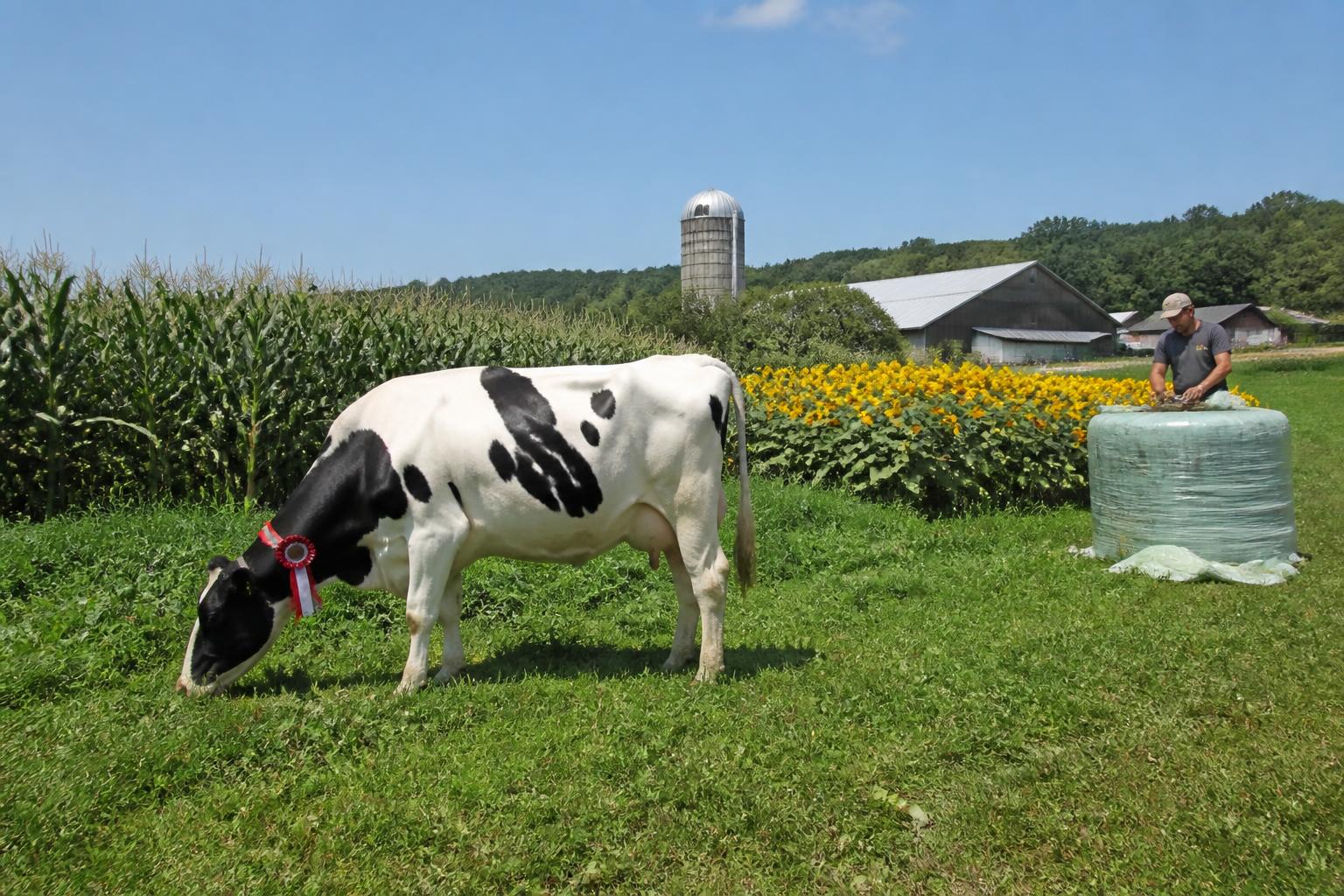
Dairy remains the cornerstone of Vermont's agricultural identity. Transporting highly perishable dairy products requires reliable cold-chain logistics, especially as demand for high-value products from processors like Vermont Creamery - a subsidiary of Land O' Lakes - keeps tankers and refrigerated trucks on the move. Navigating rural mountain passes and winding secondary roads during the heat of summer requires precise timing to prevent spoilage and maintain product quality.
These transport logistics become even more complex when regional feed and forage supplies fluctuate. Dairy operations must constantly balance milk outgoing shipments with incoming nutrients, making it essential to monitor Vermont feed and grain transport demands to keep herds well-nourished and production steady throughout the season.
Agritourism and Rural Road Congestion
Summer in Vermont brings a major influx of tourists, adding significant passenger vehicle traffic to major corridors like Route 100 and Route 7. Local farms have increasingly diversified into agritourism, creating popular seasonal destinations like local corn mazes and farm stands. This draws civilian traffic directly into active, rural farming zones.
Agribusinesses must share narrow, winding roads with visitors, making safety and route planning crucial for heavy haulers. Moving large machinery or bulk feed through agricultural hubs in counties like Addison or Franklin requires careful coordination to avoid peak travel hours. Transport coordinators must actively plan route schedules to maintain the steady flow of regional feed and forage distribution without disrupting or being delayed by summer tourist traffic.
Sustainable Logistics: Hauling Agricultural Waste
Ag logistics in Vermont involves more than just bringing food to market; it also requires managing farm inputs and waste. A farmer-led project in the state recently secured a grant to recycle agricultural plastics, highlighting a growing focus on green logistics. Collecting and transporting bulky, used agricultural plastics from remote farmsteads to processing hubs requires creative backhauling strategies to keep transport costs manageable.
Improving these recycling transport loops aligns closely with the state's evolving regulatory landscape regarding environmental sustainability. By optimizing the routes of existing agricultural carriers, Vermont farms can reduce their environmental footprint while keeping logistics costs viable.
Key Takeaways for Vermont Ag Transport
- Cold-Chain Efficiency: High-value dairy products require precise summer scheduling to prevent spoilage on winding rural roads.
- Tourist Traffic Coordination: Heavy haulers must plan around seasonal agritourism and tourist congestion on secondary state highways.
- Green Logistics Growth: New funding for agricultural plastics recycling is driving the development of specialized farm waste transport and backhauling routes.
What it means for the market
For Vermont farmers and logistics providers, summer requires a careful balance between preserving cargo quality and navigating congested, narrow rural roads. With tight operating margins, transport efficiency is critical. Agribusinesses that coordinate their shipping schedules to avoid peak tourist travel, optimize their backhauls with recycling initiatives, and secure feed transport early will be best positioned to maintain profitability through the high-demand summer season.
Comments
No comments yet — be the first to share your take.