
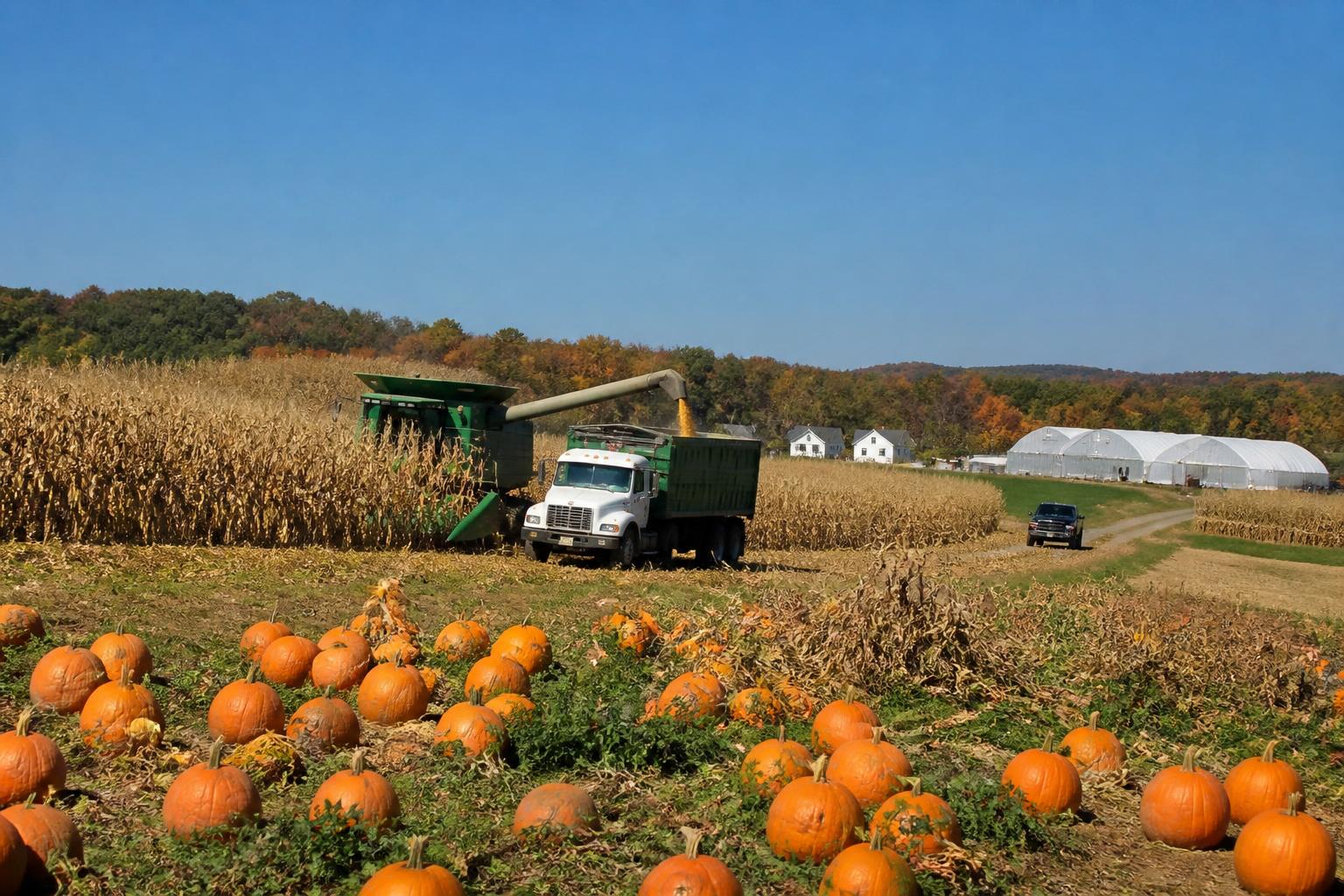
As we move deeper into the fall season, New York's agricultural sector is fully engaged in the busy harvest cycle. From the rolling fields of the Finger Lakes to the dairy-rich corridors of Northern New York, the demand for efficient transport and reliable logistics remains a critical focal point for producers and grain handlers alike. Managing the movement of crops while navigating seasonal road conditions requires careful planning and a keen understanding of current regional infrastructure constraints.
For those currently organizing their post-harvest plans, efficiency is paramount. Whether you are moving field crops or preparing for storage, identifying potential bottlenecks in transit is a standard part of the New York harvest logistics landscape. Beyond the immediate transport concerns, local stakeholders continue to address broader sourcing issues and the persistent need for workforce stability within the trucking and distribution networks that support our state's varied production sectors.
Managing Seasonal Logistics
The fall period often brings specific challenges regarding equipment availability and maintenance. As harvest intensity peaks, staying proactive with logistics ensures that grain bins and storage facilities remain accessible. In many parts of the state, coordinating transport with regional elevators and processing facilities is essential to avoid delays, especially when facing fluctuating demand or shifting regional market conditions.
Supply Chain and Market Resilience
New York agribusinesses are also navigating a complex environment regarding input sourcing and regulatory compliance. Recent reports highlighting non-payment violations in the produce sector serve as a reminder for growers to maintain clear contractual communication with all buyers. Furthermore, staying informed on available state support programs, such as tariff relief initiatives, can provide additional stability for operations navigating volatile global markets.
What it means for the market: Producers should focus on tightening logistical loops and verifying the reliability of their supply chain partners this season. By prioritizing clear communication with transporters and utilizing available regional support resources, New York farmers can better insulate their operations against the unpredictability of the current market cycle.
Comments
No comments yet - be the first to share your take.