
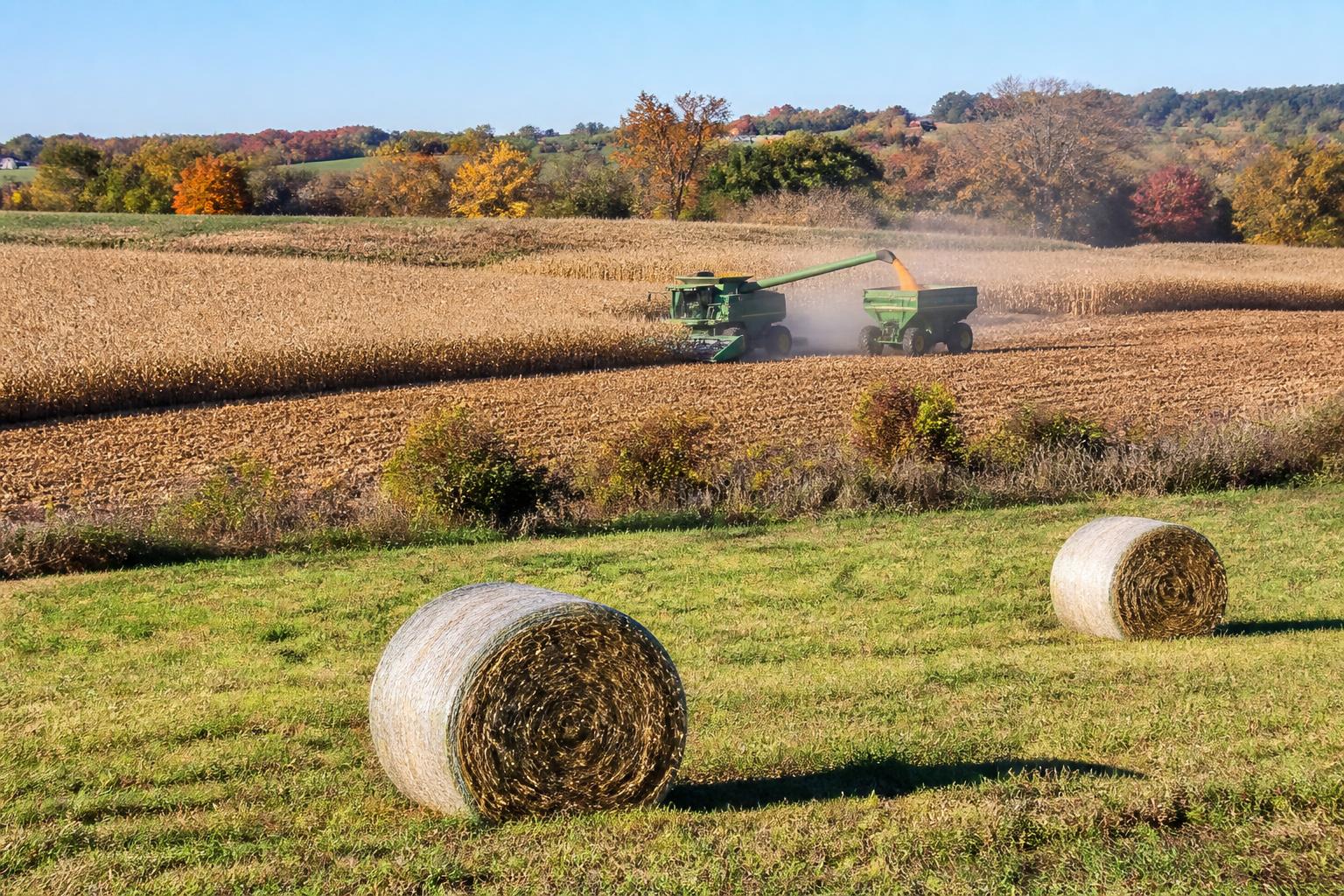
With the autumn harvest season now underway across New York, growers and grain handlers are turning their attention toward the critical logistics of moving commodities from field to facility. For many producers, this period demands a precise balance between operational speed and infrastructure capability. As harvesting activity intensifies in key agricultural corridors, the condition of local transport networks and the availability of advanced equipment become the primary drivers of seasonal success.
Maintaining an efficient supply chain often requires consistent investment in reliable machinery. The recent expansion of facilities, such as the new advanced harvester operations in Bergen, reflects a broader industry trend toward integrating sophisticated technology to streamline field work and post-harvest handling. As noted in our recent look at New York harvest logistics, the ability to rapidly process and store grains is essential for minimizing potential losses and maximizing market flexibility during peak windows.
Equipment Maintenance and Fleet Readiness
In various parts of the state, particularly across Western New York and the Finger Lakes, regional agribusinesses are reporting a high focus on fleet readiness. The reliance on specialized transport and harvest equipment means that any downtime during the short, high-pressure harvest window can have significant consequences. Many managers are prioritizing early inspections of grain handling assets and transport fleets to mitigate risks associated with equipment failure during the busiest weeks of the season.
Infrastructure and Regional Coordination
Logistical fluidity remains a cornerstone of the New York agricultural economy. Whether moving specialized row crops or managing inputs, local producers often rely on a network of secondary roads and rural transit corridors that require careful planning. Coordination between local elevators and carriers can help address capacity constraints, especially when localized weather patterns shift the pace of harvesting operations unexpectedly. Focusing on these operational connections is a common strategy to maintain consistency across the regional supply chain.
What it means for the market
For farmers, handlers, and logistics providers, the remainder of the harvest period will likely be defined by how effectively they manage equipment uptime and facility throughput. Those who have prepared their infrastructure to handle high volumes during fluctuating weather windows are better positioned to protect their margins. As the season progresses, market participants should remain agile, keeping a close watch on regional transportation availability and local storage capacity to ensure smooth operations through the final harvest rounds.
Comments
No comments yet - be the first to share your take.