
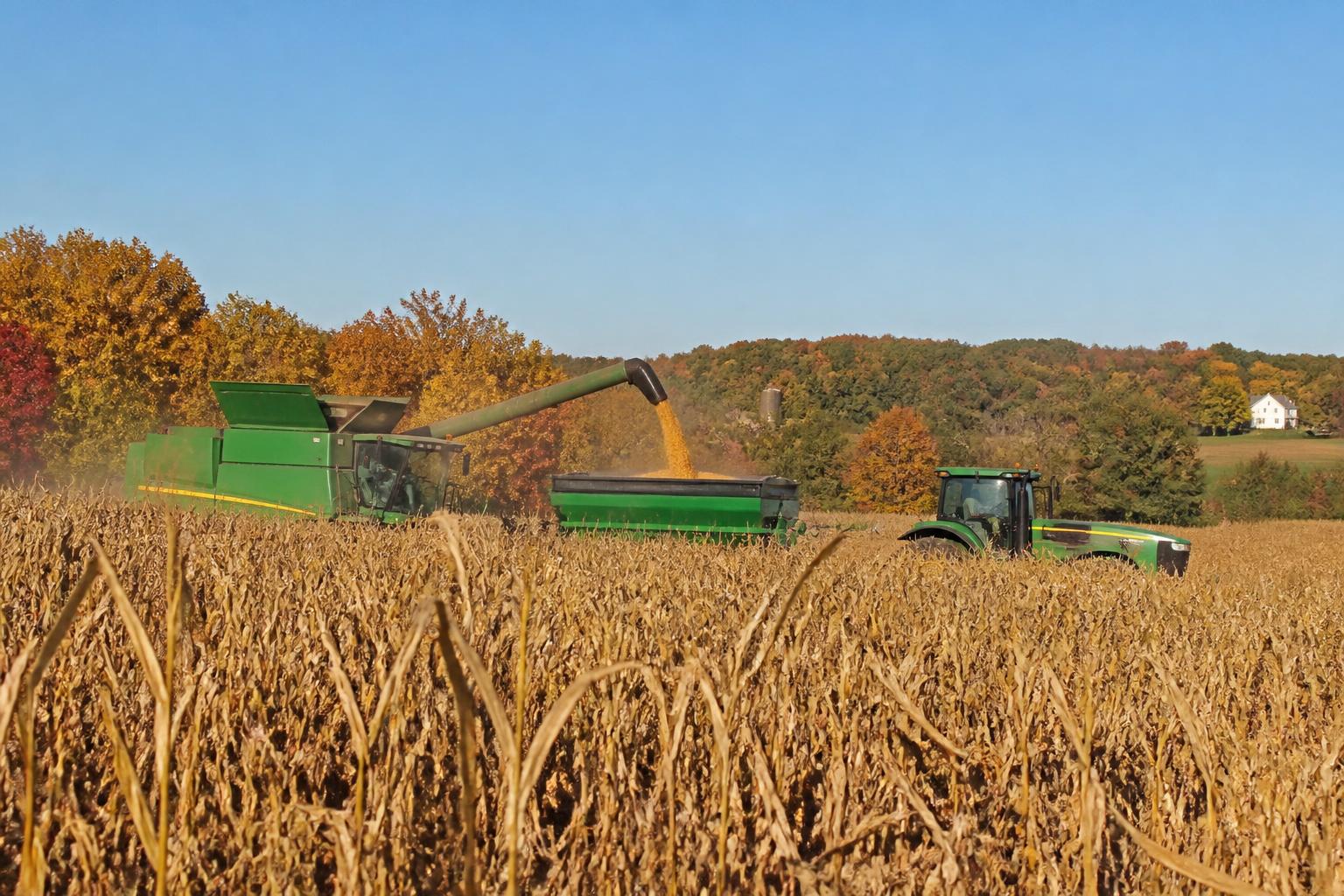
As the fall harvest season gathers momentum across Massachusetts, local producers are increasingly turning their attention to the critical intersection of crop protection and logistics. With regional grain movement patterns often shifting during the peak harvest months, ensuring that storage systems are fully operational is paramount for maintaining product quality and market flexibility.
For many farm operations in the Commonwealth, from the fertile fields in the Connecticut River Valley to regional grain handling facilities, the emphasis remains on securing inventory against the pressures of a busy shipping season. Efficiently managing grain storage and logistics serves as a primary defensive strategy against the inherent volatility of the fall market, allowing producers to hold product when transit corridors tighten or seasonal demand fluctuates.
Integrating Advanced Monitoring
Technology continues to play a larger role in modernizing storage infrastructure. Many producers are exploring systems that provide real-time updates on grain bin conditions, which can help prevent spoilage and reduce manual oversight during the labor-intensive harvest period. These automated solutions, while representing an upfront investment, often provide long-term protection by alerting farmers to potential issues before they impact the bottom line.
Infrastructure and Regional Readiness
Beyond individual storage, regional logistics often depend on the reliability of local equipment. Regular maintenance of onsite storage and grain handling equipment remains a standard practice for operators aiming to bypass delays. As farms look toward the end of the year, those who have prioritized proactive system checks are typically better positioned to handle the flow of inventory without the risks associated with equipment failure or storage bottlenecks.
What it means for the market
In the current market environment, prioritizing structural and technological resilience is a necessary step for Massachusetts agribusinesses. By focusing on storage stability and logistics, producers can buffer their operations against external market pressures, ensuring that their harvested yield retains its maximum value throughout the colder months.
Comments
No comments yet - be the first to share your take.