
As Massachusetts moves through the heart of the fall season, the agricultural landscape remains a complex tapestry of traditional production and modern logistical hurdles. For many local operations, this time of year centers on finalizing harvests and managing the flow of goods toward regional markets. However, the operational reality for growers across the state now frequently involves navigating intense competition for land and resources, particularly as industrial and commercial developments continue to expand near active farmland.
Producers are increasingly looking at ways to safeguard their land against external pressures, from navigating farm economic pressures to engaging in local land preservation initiatives. These efforts are essential to maintain the agricultural character of the state while managing the encroachment of non-farm infrastructure that can often lead to disputes over noise, environmental impacts, and traffic congestion.
Adapting Operations for Long-Term Viability
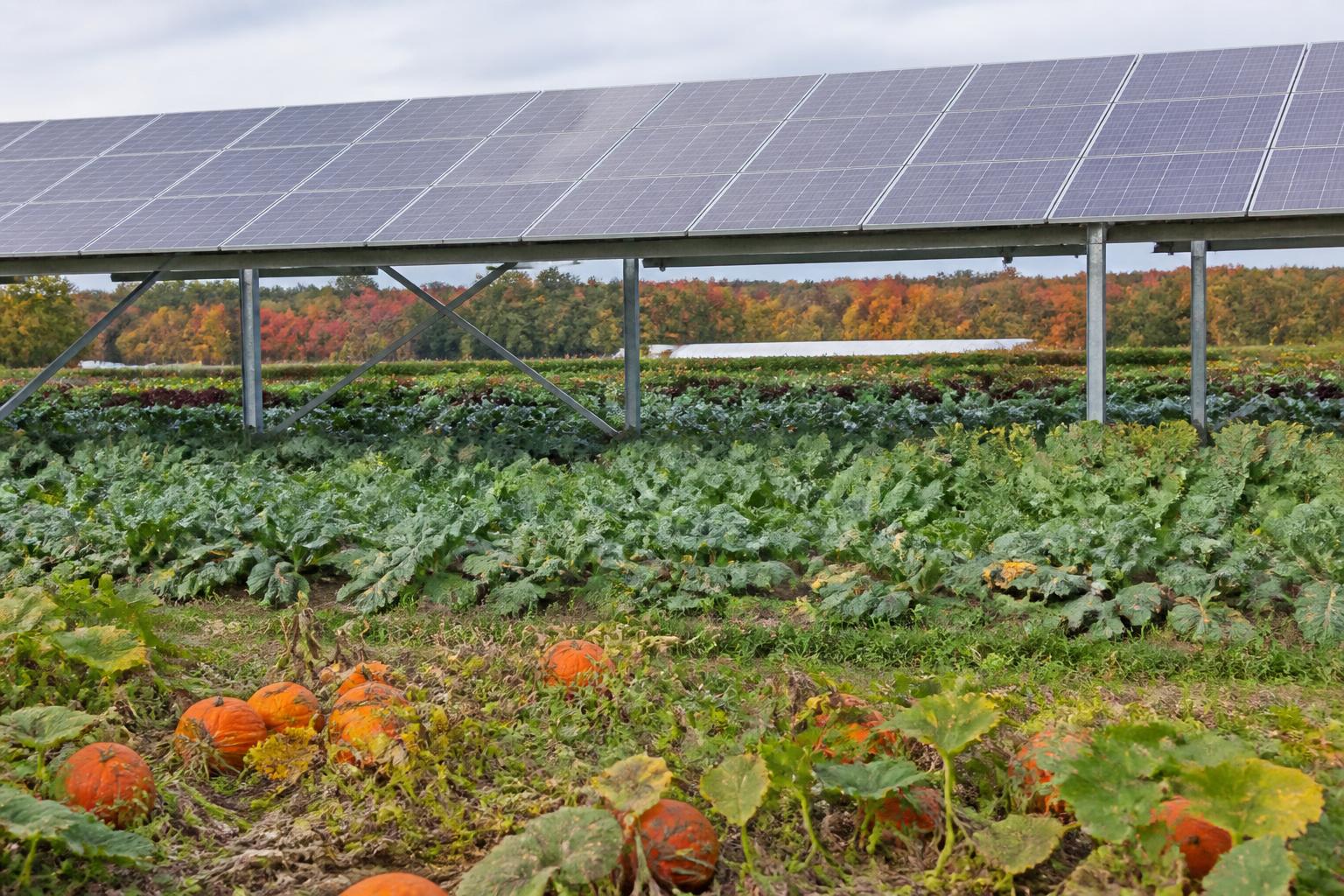
Resource management is a recurring theme this season. Beyond standard harvest logistics, farmers are exploring innovative land-use models, such as integrating energy production with vegetable cultivation. These hybrid approaches are becoming a point of interest for those seeking to maximize yield on limited acreage. Furthermore, managing grain storage and logistics remains a critical focus for those operating in the state’s key agricultural corridors, ensuring that supply chain bottlenecks do not undermine the success of a productive growing season.
Regional efforts to bolster farm sustainability are also gaining traction. From addressing invasive threats—such as the work of the USDA in managing destructive pests—to securing preservation grants, the focus remains on keeping Massachusetts farms resilient. For agribusinesses and input buyers, staying informed about these regional nuances is vital for accurate planning, especially as regulatory environments shift to reflect the concerns of both rural producers and their growing suburban neighbors.
What it means for the market
For the Massachusetts market, the current climate points toward a greater need for strategic land management and proactive community engagement. Producers who prioritize operational efficiency and leverage available preservation support will likely be better positioned to navigate the rising costs of production and the physical expansion of nearby industrial hubs. Maintaining a focus on local output while remaining adaptable to infrastructure changes will be the defining factor for success as we move toward the winter months.
Comments
No comments yet - be the first to share your take.