
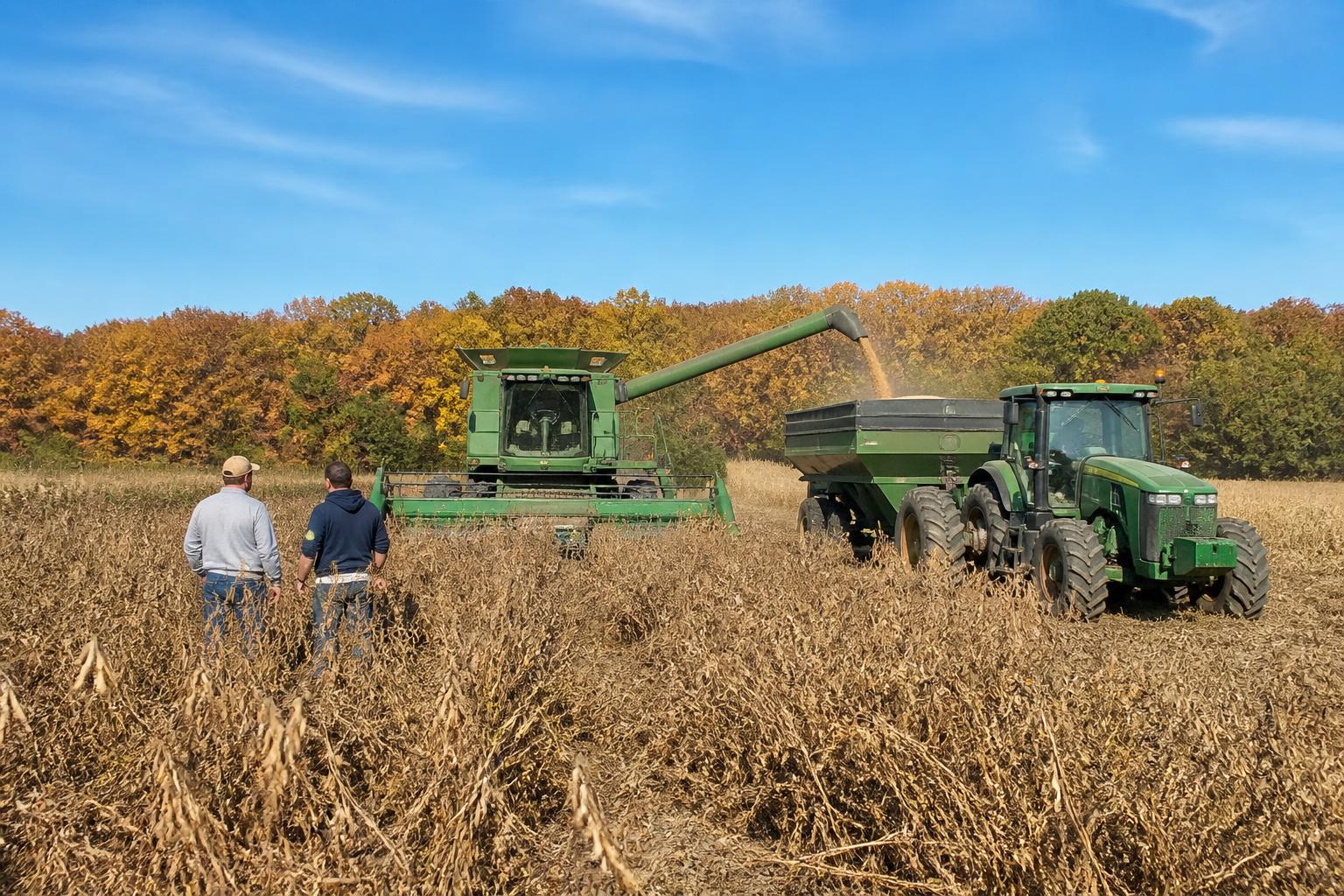
With the harvest season in full swing across Colorado, the focus for many producers is shifting from the field to long-term soil health and planning for next year's inputs. As growers assess current yields and moisture levels in key regions like the Eastern Plains, identifying optimal nutrient requirements becomes a priority before the winter freeze settles in.
Efficient fertilizer application and input management remain essential for maintaining productivity. While broader industry trends point toward significant growth in the North American fertilizer market through the next decade, local operators are prioritizing precision application and soil conservation to maximize input effectiveness. Integrating modern crop protection strategies alongside fertility programs helps ensure fields remain productive and resilient to environmental stressors.
Managing Supply Chains and Regional Logistics
Logistical reliability continues to play a major role in the regional agricultural economy. Recent challenges with infrastructure, such as I-70 closures, highlight the importance of advanced planning for bulk input delivery. For elevators and distributors, securing consistent supply chains early can prevent disruptions that often coincide with peak transportation demand during harvest months.
Growers are encouraged to work closely with local suppliers to coordinate delivery windows. By securing fertilizer supplies well in advance, farms can better hedge against the seasonal volatility that often impacts regional logistics and transportation capacity.
What it means for the market
For Colorado agribusinesses and farmers, the current market climate favors a proactive approach to procurement. As global demand influences the broader agricultural landscape, focusing on local efficiency—through precise nutrient application and strategic planning—remains the most effective way to manage rising input costs and protect thin operating margins heading into the winter.
Comments
No comments yet - be the first to share your take.