
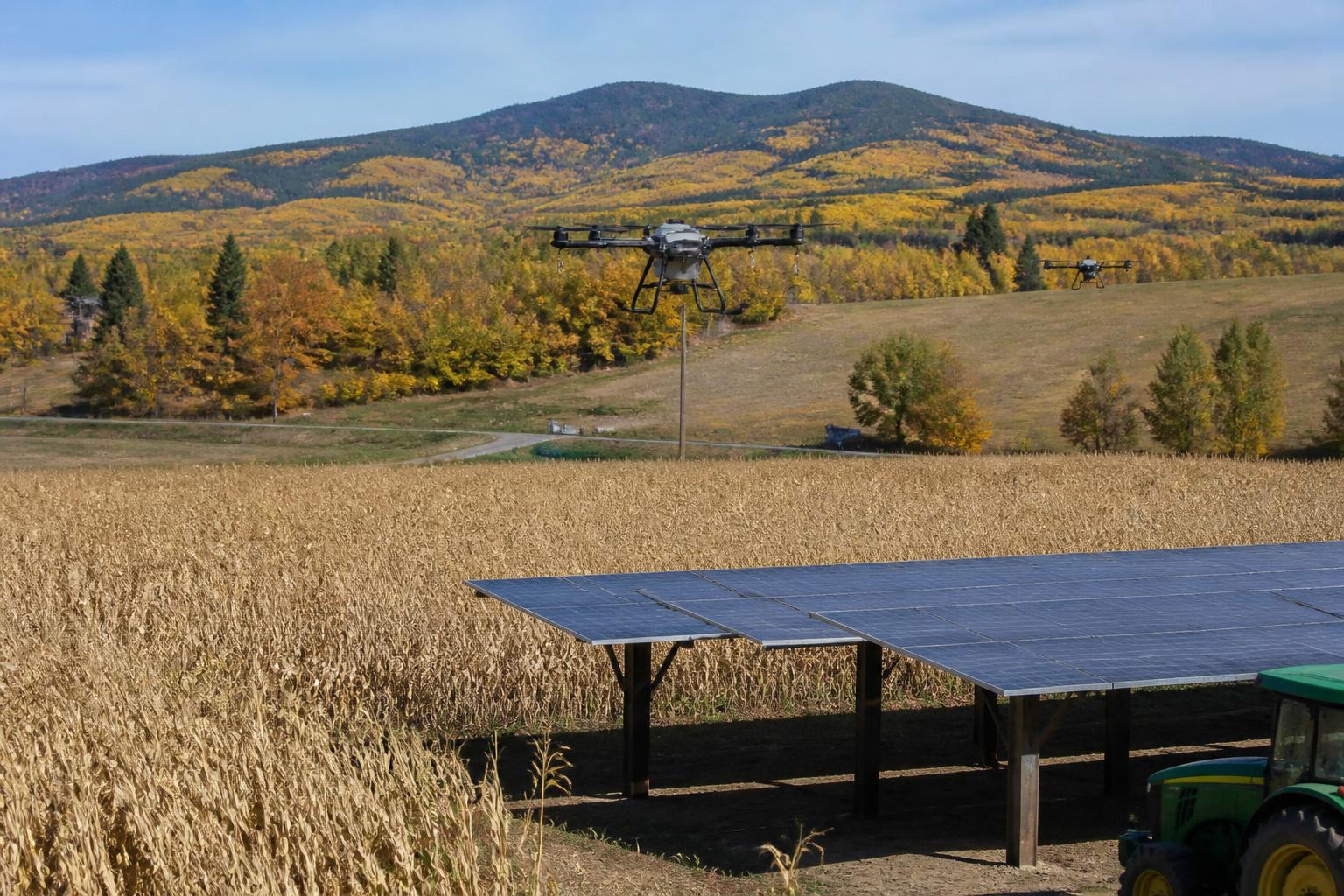
With the fall harvest season now underway across Colorado, agricultural producers are navigating a complex landscape defined by shifting resource availability and a growing reliance on precision technology. Managing input costs remains a central theme, as farmers continue to evaluate crop protection strategies to preserve yield quality during these critical final weeks of the cycle.
As operations transition toward post-harvest planning, the adoption of precision ag tools is helping many in the state optimize their workflows. Beyond traditional crop management, recent financial stability trends are driving interest in efficient machinery use and updated repair standards. Whether dealing with moisture-sensitive corn or managing soil health, the integration of data-driven insights is becoming standard practice for maintaining margins in a competitive market.
Adapting to Variable Field Conditions
For those operating in diverse terrains from the Eastern Plains to the mountain valleys, consistency in crop protection is often tied to timely application. Recent advancements in autonomous technology are beginning to influence how some producers handle these tasks, providing potential avenues for labor efficiency. Furthermore, navigating Colorado's grain market requires a keen eye on how input volatility affects overall operational overhead as we approach the end of the year.
What it means for the market
Producers should prioritize early-season planning for next year's inputs while remaining vigilant about current field conditions. Monitoring supply chains for both protective chemicals and machinery components will remain essential. As the state moves further into the fall, flexibility in storage and logistical planning will be key to managing the current harvest effectively.
Comments
No comments yet - be the first to share your take.