
Recovering from the $300 Million April Freeze
The vulnerability of New Jersey specialty crops was laid bare earlier this year when a sudden late-spring freeze devastated fields across the state. The freeze caused an estimated $300 million in total crop losses, hitting southern New Jersey fruit growers and vegetable producers particularly hard. In response to the widespread damage, state leadership has actively sought a federal disaster designation to unlock emergency relief funds and low-interest loans for affected family farms.
For local producers, this freeze underscores the rising importance of comprehensive crop insurance and active frost-protection systems. Relying solely on traditional open-air growing methods is becoming increasingly risky, prompting some operators to look at indoor options. While warehouse and vertical farming are growing in popularity for high-value greens, the vast majority of New Jersey’s commercial produce still relies on open fields, making timely disaster assistance and policy-level protection essential for survival.
Acreage Shifts: More Soybeans, Less Corn
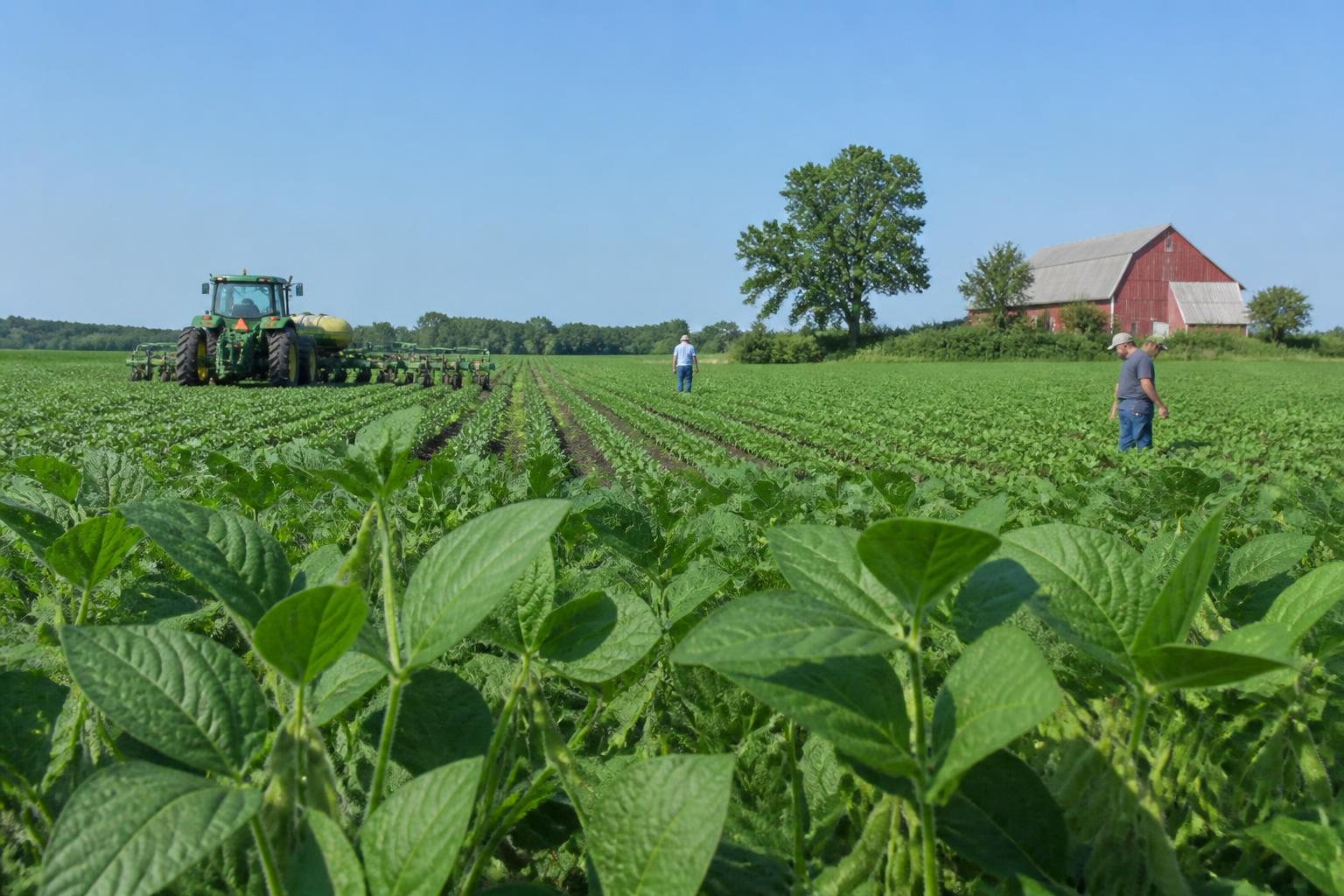
In addition to weather-related protections, Northeast crop patterns are shifting in response to market demands and climate realities. Across the region, growers are planting less corn and dedicating more acreage to soybeans. This transition is partly driven by the versatility of soybeans and efforts by agricultural groups to promote domestic soybean applications in biofuels, animal feed, and bio-based products.
This shift also offers agronomic benefits. Soybeans often require fewer nitrogen inputs compared to corn, which can help growers manage high summer production costs. Furthermore, diversifying crop rotations helps build soil resilience, providing a natural defense against pests and unexpected seasonal dry spells.
Policy and Leadership in a Changing Agricultural Landscape
Navigating these complex economic and environmental challenges requires strong institutional support. The New Jersey Department of Agriculture (NJDA) is currently under the leadership of Joe Atchison, who took the helm following the retirement of long-time Secretary Douglas Fisher. Atchison’s administration is tasked with steering the state's diverse agricultural sectors through recovery programs, marketing campaigns, and land use policy challenges.
At the same time, local discussions around the state's farmland assessment program continue to make headlines, with advocates calling for reforms to ensure that tax benefits directly support active, working farmers rather than wealthy landowners. As growers navigate both weather risks and regional policy shifts, keeping up with the latest New Jersey agribusiness and regulatory updates is critical for farm security this season.
Key Takeaways for New Jersey Producers
- Federal Disaster Relief: Efforts are ongoing to secure a federal disaster designation following the devastating $300 million April freeze losses.
- Crop Diversification: Northeast acreage is leaning toward soybeans over corn, offering input cost savings and improved risk management.
- Leadership Transition: Under Joe Atchison, the NJDA is focusing on market exposure for Jersey-grown produce and coordinating recovery resources.
What it means for the market
For New Jersey's agricultural market, protection is no longer just about chemical inputs; it is about financial and operational resilience. The massive financial blow from the spring freeze highlights why agribusinesses must integrate comprehensive crop insurance and diversified planting strategies into their annual budgets. As federal assistance decisions pending, grain handlers, produce buyers, and input suppliers should expect tight local supplies in certain specialty categories, while soybean logistics may see increased regional activity heading into the fall harvest.
Comments
No comments yet — be the first to share your take.