
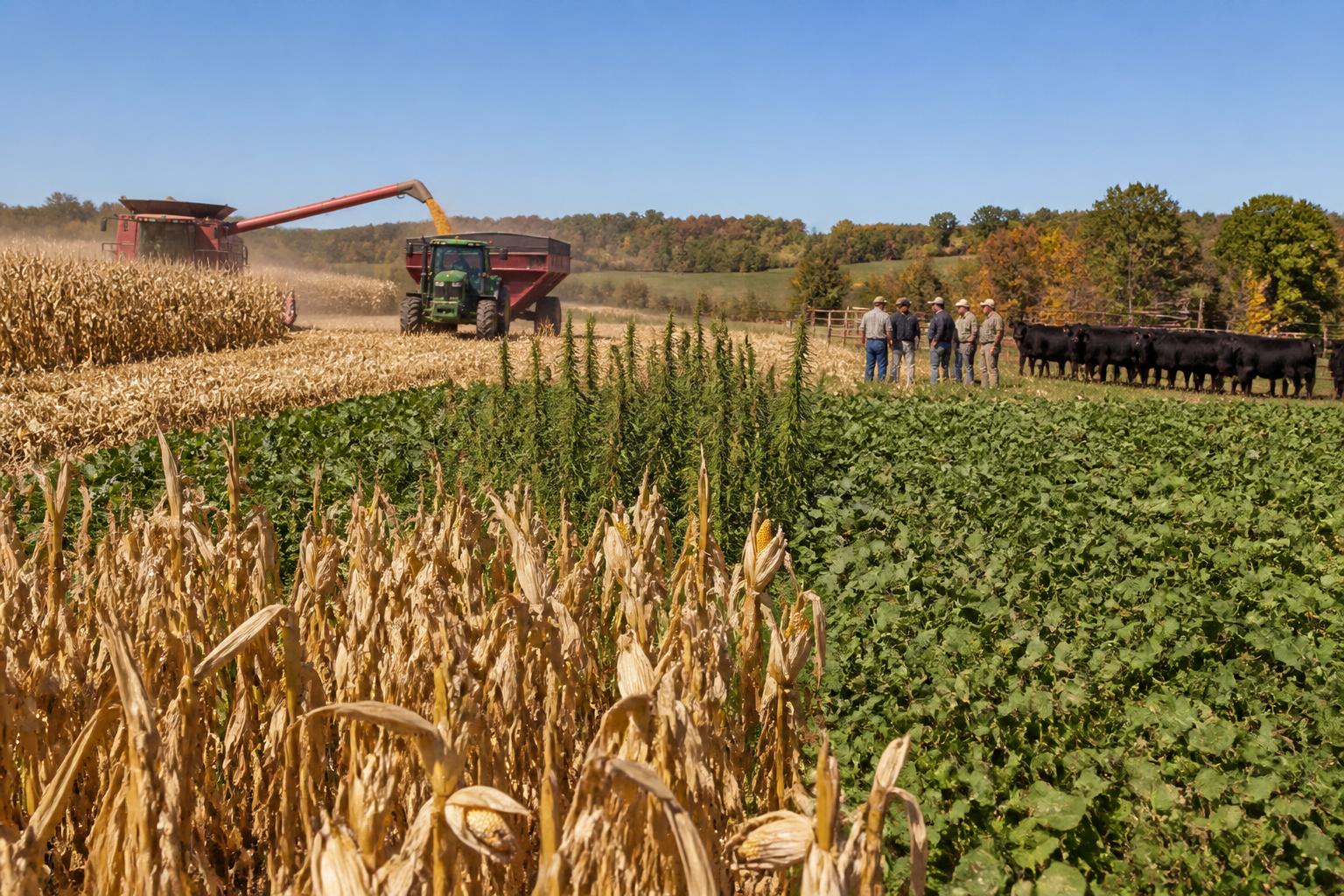
As the fall season progresses, the pace of field activity across Kentucky is picking up, placing a renewed focus on regional grain handling and storage capacity. For many producers, the shift from late-summer preparations to active harvest operations necessitates careful coordination of logistics, particularly as storage facilities throughout the Commonwealth adjust to handle throughput.
Understanding the current state of local infrastructure is vital for maintaining margins during this period of high volume. Grain infrastructure across Kentucky has seen ongoing adjustments to meet evolving producer needs, helping to manage the seasonal bottleneck typically observed during peak harvest weeks. Efficient movement of grain from field to elevator remains a primary consideration for logistics providers and farm managers alike.
Managing Supply Chains and Market Flow
Beyond the physical movement of commodities, the regional landscape is seeing continued activity in the supply chain sector. For instance, harvest momentum in Kentucky remains contingent on favorable field conditions, which allow for steady, uninterrupted transport. As trucks move across regional corridors, the availability of timely handling services often dictates the speed of field clearance.
Market participants are also keeping a close eye on input logistics and facility management. Recent developments, such as tightening fertilizer markets, serve as a reminder that planning for the next cycle is often integrated into the current harvest schedule. Agribusinesses throughout the state are prioritizing coordination to ensure that storage and transport capacity are optimized while field work continues.
What it means for the market
For Kentucky producers and grain handlers, the primary goal for the coming weeks is maintaining logistical efficiency. As the harvest matures, monitoring localized elevator demand and potential transport delays can help mitigate disruptions. By staying aligned with regional infrastructure updates and coordinating closely with local transport partners, operators can better navigate the competitive environment of the fall shipping season.
Comments
No comments yet - be the first to share your take.