
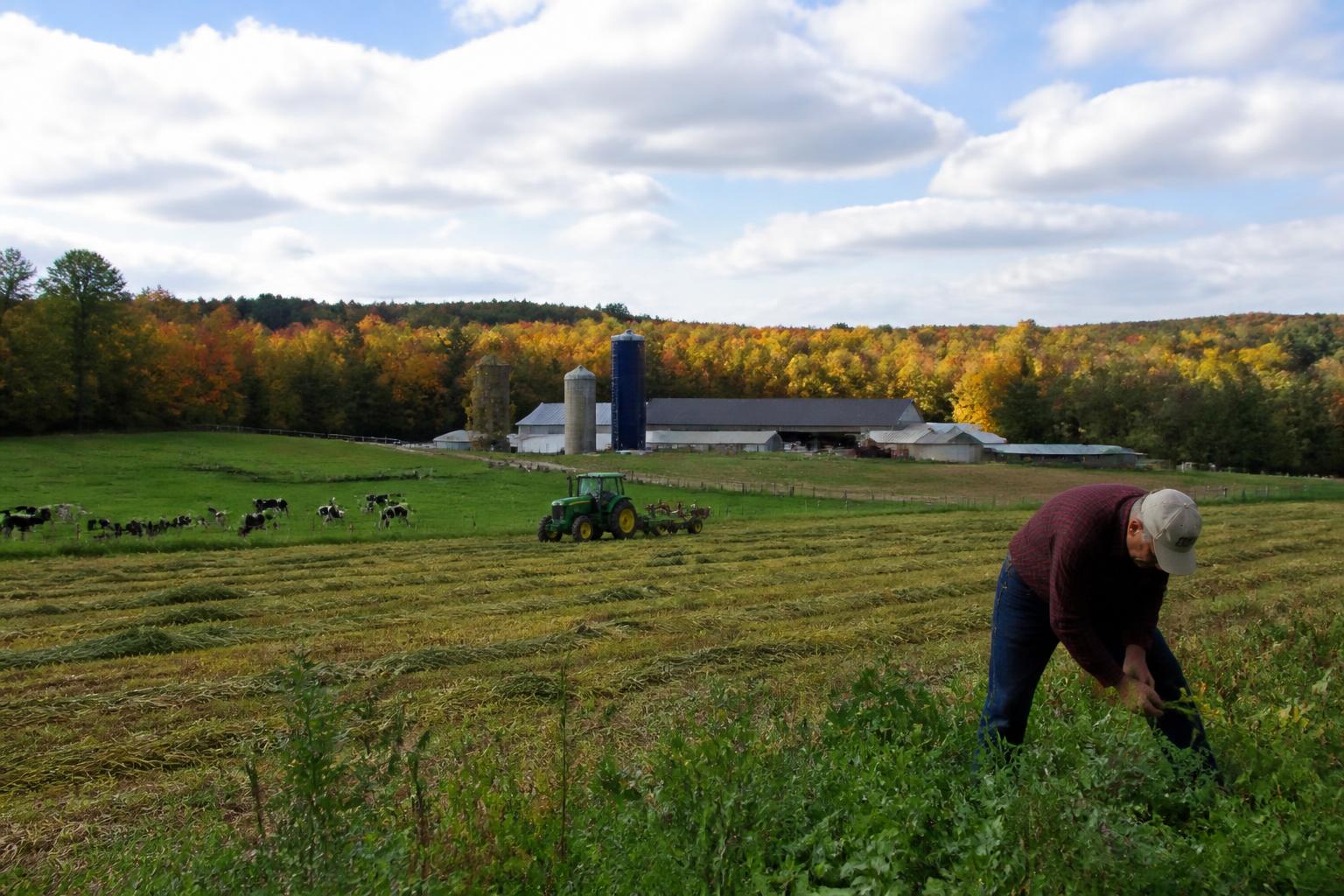
As the fall harvest gains momentum across Vermont, local growers and grain handlers are balancing typical seasonal pressures with new opportunities for infrastructure development. This time of year often marks a critical window for farm-level logistics, as field accessibility and storage capacity become primary concerns for those managing both specialty grains and forage crops.
Operational efficiency is becoming a central theme for many regional agricultural businesses. With new logistics gains in the dairy sector, there is an increased need for reliable feed-grade grain streams. For producers looking to upgrade their handling capabilities, state resources such as the capital equipment assistance programs are being utilized to streamline equipment maintenance and improve on-farm storage, which can mitigate bottlenecks during the peak of the fall harvest.
Water Quality and Sustainable Grain Management
Sustainability continues to influence the competitive landscape for Vermont farms. Recent initiatives, including new state-led clean water grants, are encouraging producers to implement conservation practices that protect local watersheds. These investments often overlap with broader efforts to improve soil health, which can lead to more resilient yields over the long term. Understanding the current grain market dynamics in Vermont is essential for producers aiming to align their production goals with these emerging environmental standards.
Adapting to Evolving Market Requirements
The push for local sourcing is not limited to the dairy aisle; it is also reshaping the craft beverage and food production sectors. As stakeholders continue to evaluate supply shifts and niche innovation, farmers who can successfully navigate the logistics of regional distribution are finding new value-add opportunities. Whether it is through the integration of small grains into local supply chains or by optimizing harvest timing to meet specific quality metrics, the ability to adapt to shifting market requirements remains a key differentiator.
What it means for the market
For Vermont agribusinesses, the intersection of equipment funding and sustainability grants represents a strategic opportunity to de-risk operations before winter arrives. Producers who leverage these resources now may be better positioned to manage inventory volatility and transport costs throughout the coming months. Keeping a close watch on regional infrastructure updates and local supply chain partnerships will be vital for maintaining a competitive edge in an increasingly localized market.
Comments
No comments yet - be the first to share your take.