
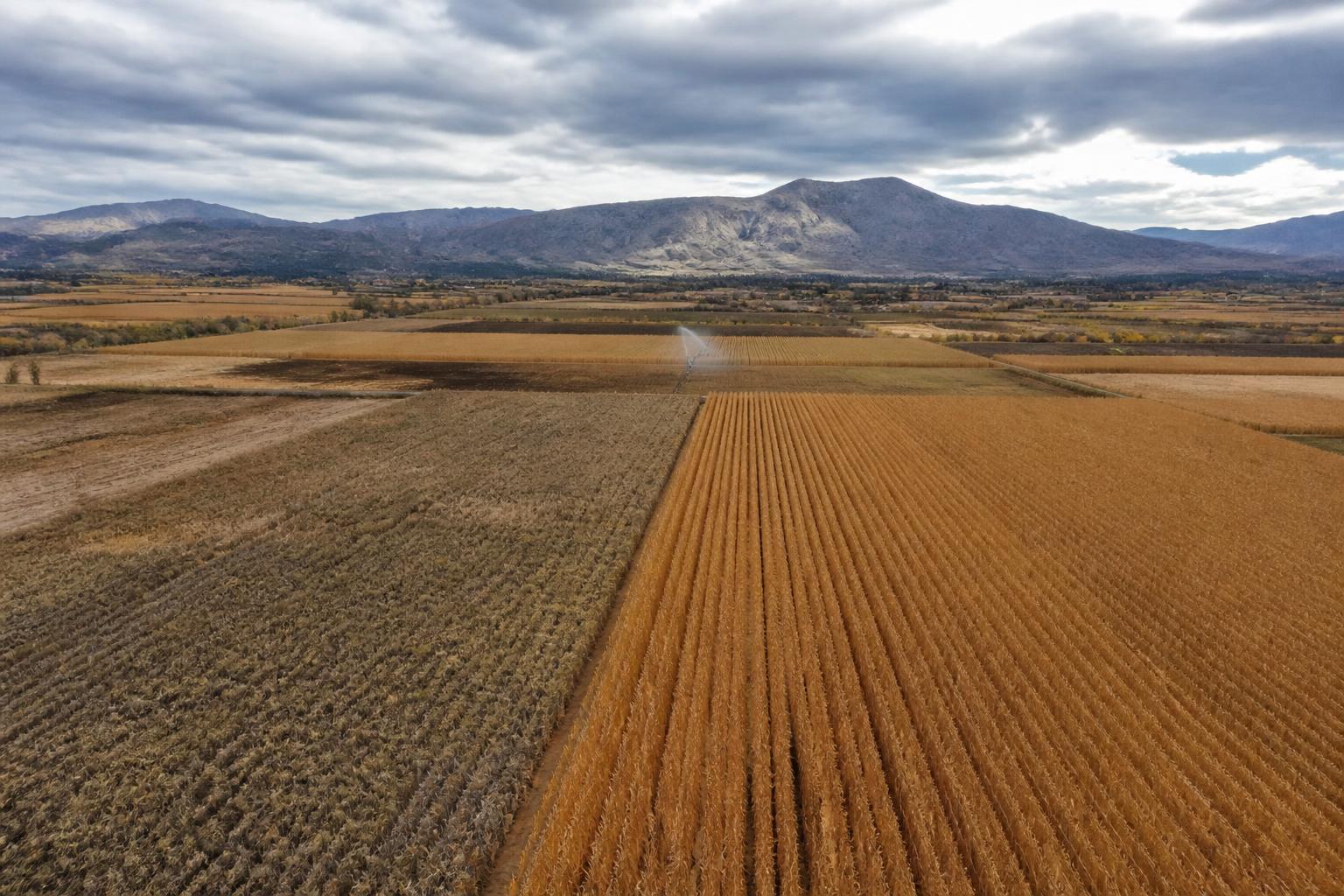
With the fall harvest now underway across Colorado, agricultural producers are balancing the immediate demands of gathering yields with the long-term planning required for next season's inputs. This transition period often forces a sharp focus on logistics and supply chain stability, especially as growers assess their nutrient needs after a season shaped by varying weather conditions and irrigation requirements.
For those managing operations from the Eastern Plains to the valleys of the Western Slope, staying ahead of input costs remains a primary concern. The current environment has kept price transparency and supply accessibility at the forefront for grain handlers and farmers alike. Maintaining a proactive fertilizer strategy is often essential, particularly when navigating the volatility that can influence regional availability during peak periods.
Managing Seasonal Input Logistics
As field work progresses, the movement of inputs frequently competes with grain transport for limited logistical capacity. Many agribusinesses are now reviewing how current storage and delivery timelines might impact their ability to secure necessary fertilizers before winter weather settles in. Understanding the interplay between field conditions and regional supply routes can help mitigate delays for those planning fall applications.
Market Outlook and Operational Efficiency
Looking beyond the immediate harvest window, producers are also keeping a close eye on broader market pressures. International trade policies and evolving manufacturing trends continue to play a role in the price landscape for essential nutrients. For growers aiming to optimize their margins, focusing on storage and logistics trends provides a clearer picture of how to manage capital more effectively heading into the next planting cycle.
What it means for the market
In this high-stakes season, the ability to pivot between harvesting operations and nutrient procurement is key to sustained profitability. Growers who monitor local cash bids and maintain open communication with regional suppliers will be better positioned to navigate potential price fluctuations. By prioritizing logistical readiness now, Colorado farmers can help ensure their operations remain resilient despite the evolving pressures on the U.S. agricultural economy.
Comments
No comments yet - be the first to share your take.