
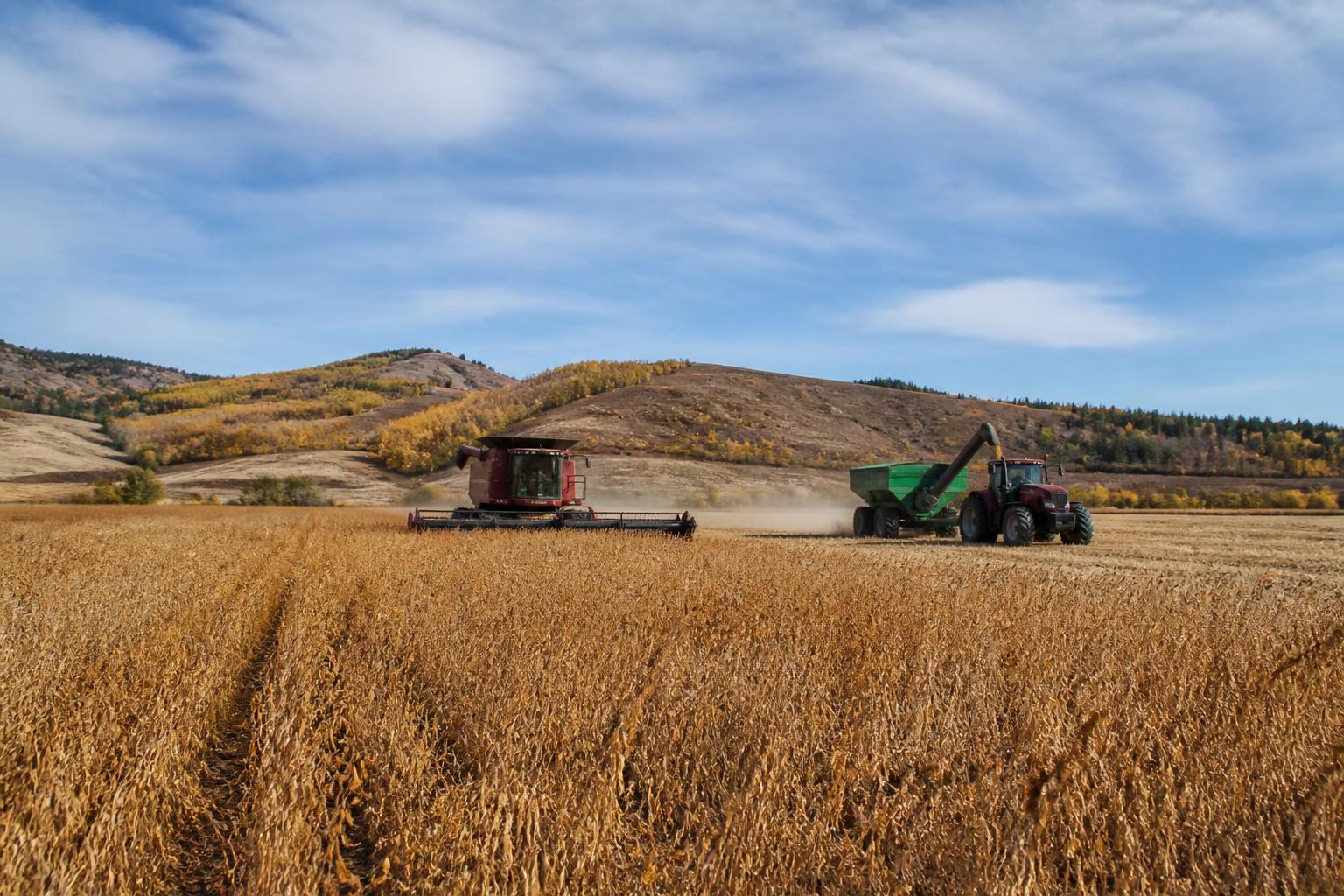
As the fall harvest accelerates across Idaho, agricultural producers are contending with a challenging pricing environment that is squeezing profitability. Many growers in the Snake River Plain and surrounding regions are reporting that current commodity prices are failing to keep pace with operational costs, leading to a period of heightened financial scrutiny on farms across the state.
Navigating Economic Pressures
The current market cycle has placed significant strain on producer margins. With input costs remaining elevated, the gap between production expenses and market returns is forcing many agribusinesses to reevaluate their crop marketing strategies. In this climate, local producers are increasingly turning to innovative management practices and infrastructure upgrades to defend their bottom line during these volatile harvest months.
Investment and Local Research
Despite the broader economic headwinds, the Idaho agricultural sector continues to attract strategic interest and research investment. Recent moves by major industry players to acquire local seed production facilities underscore the state's vital role in national supply chains, particularly in high-value specialty crops. Furthermore, ongoing academic and agricultural research projects continue to provide growers with new data-driven tools aimed at improving yield efficiency and long-term land management.
What it means for the market
For Idaho farmers and grain handlers, the focus for the remainder of the season is on precision and risk mitigation. While global commodity trends may be outside the control of local producers, the emphasis on local infrastructure development and research-backed farming techniques remains a cornerstone for long-term sustainability. Market participants should monitor local delivery capacity and storage availability as harvest volume reaches its peak in the coming weeks.
Comments
No comments yet - be the first to share your take.