
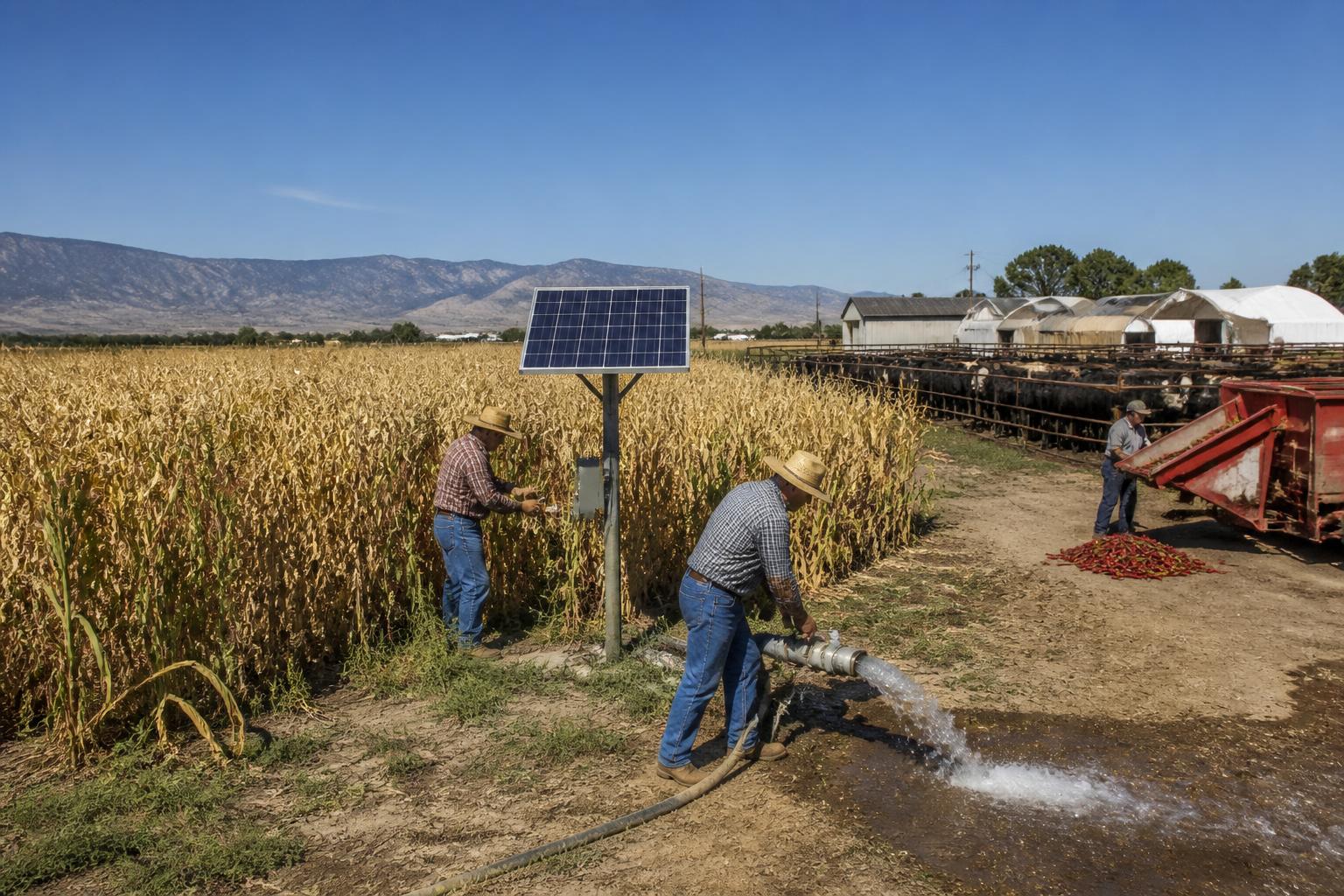
As we move through September, New Mexico agricultural producers are balancing the tail end of seasonal field management with planning for upcoming input requirements. Market observers note that regional fertilizer availability remains influenced by a complex interplay of cross-border logistics and shifting supply chains, which continue to impact procurement strategies for farms from the Rio Grande Valley to the northern high plains.
Understanding the current fertilizer market pressure is essential for growers as they prepare for next season. Disruptions in the broader regional distribution network often ripple down, affecting local retail pricing and delivery timelines. For many operations, the focus has shifted toward building resilient procurement relationships to mitigate the risks associated with sudden inventory fluctuations.
Navigating Regional Supply Chain Dynamics
The state's geographic position makes it uniquely sensitive to shifts in international output. While recent reports indicate capacity gains in major production hubs, logistics bottlenecks remain a primary concern for local elevators and wholesalers. When moving products across state lines or via key transport corridors, producers are advised to monitor carrier availability closely, especially as seasonal commodity movement intensifies.
Furthermore, the ongoing scrutiny regarding water resources and irrigation infrastructure in the Rio Grande basin highlights the need for precision in nutrient application. Efficient use of inputs has become a dual priority for both cost control and long-term land management. Strategies that optimize storage on-site, where permitted, can help insulate operations from temporary logistical delays.
Strategic Planning for the Fall Season
As growers evaluate their upcoming budgets, the intersection of input costs and yield projections remains the primary driver of operational efficiency. With changes in federal agricultural oversight, there is an increased emphasis on stability. Operators who maintain clear lines of communication with their local suppliers often find themselves better positioned to navigate the complexities of this evolving marketplace.
What it means for the market: For New Mexico agribusinesses, the current outlook suggests a cautious approach to input procurement. By prioritizing early booking and monitoring regional distribution trends, producers can better manage the potential for supply volatility, ensuring their operations remain prepared for the planting cycles ahead despite the broader uncertainties in regional agricultural trade.
Comments
No comments yet - be the first to share your take.