
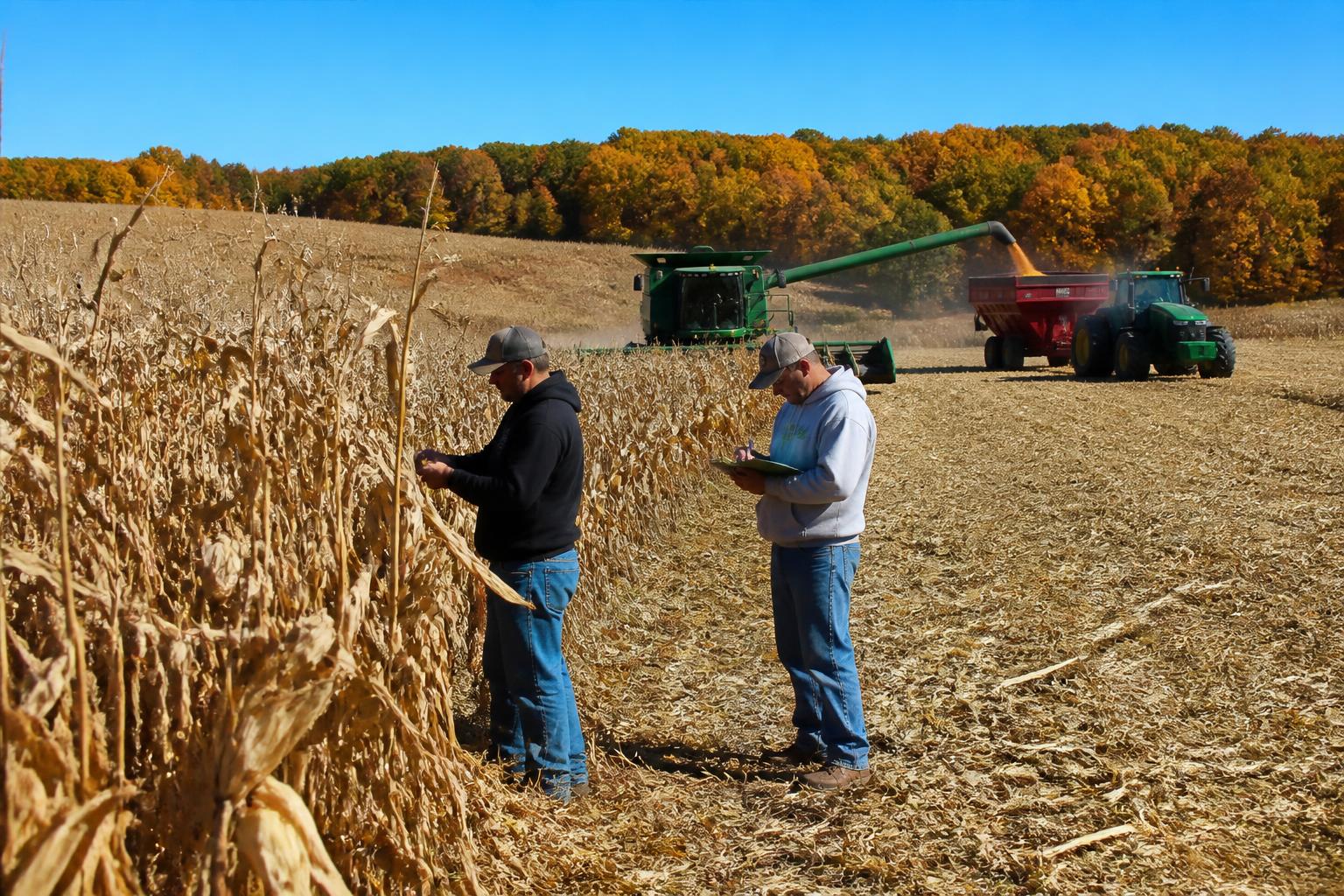
With the autumn harvest season firmly underway across Iowa, producers are keeping a close eye on both field-level conditions and broader market indicators. While yield reports are beginning to surface, the immediate focus for many grain handlers and farmers remains on managing storage capacity and identifying viable opportunities in a volatile pricing environment. The narrowing window for old-crop marketing continues to keep local elevators busy as they prepare for the new season influx.
Infrastructure and Market Access
Recent developments in regional infrastructure, including progress on carbon pipeline initiatives, are starting to reshape long-term expectations for Iowa corn demand. These logistical shifts, combined with fluctuations in biofuel demand, are prompting many agribusinesses to rethink their storage and transportation strategies. Producers are often evaluating how these infrastructure investments may eventually impact basis levels and regional competition.
Regulatory and Environmental Considerations
Beyond traditional market cycles, Iowa growers are navigating an increasingly complex regulatory landscape. From addressing water quality concerns to adopting regenerative farming practices, the emphasis on soil health and nitrogen management is intensifying. New state-led initiatives now offer testing resources, allowing farmers to gather data that may influence their input purchasing and application strategies for the upcoming cycle.
Equipment and Operational Costs
The marketplace for farm machinery has also seen shifts, with some reports indicating an increase in the supply of late-model equipment and a subsequent cooling of prices. For many Iowa operations, this provides a rare opening to upgrade essential assets ahead of the winter maintenance period, potentially improving operational efficiency as input margins remain thin.
What it means for the market: The combination of cooling equipment prices and ongoing policy-driven programs provides a tactical opening for growers to optimize their cost structure. As the season progresses, farmers who prioritize precise data-backed nutrient management and strategic storage utilization will likely be better positioned to weather the current market fluctuations.
Comments
No comments yet - be the first to share your take.