
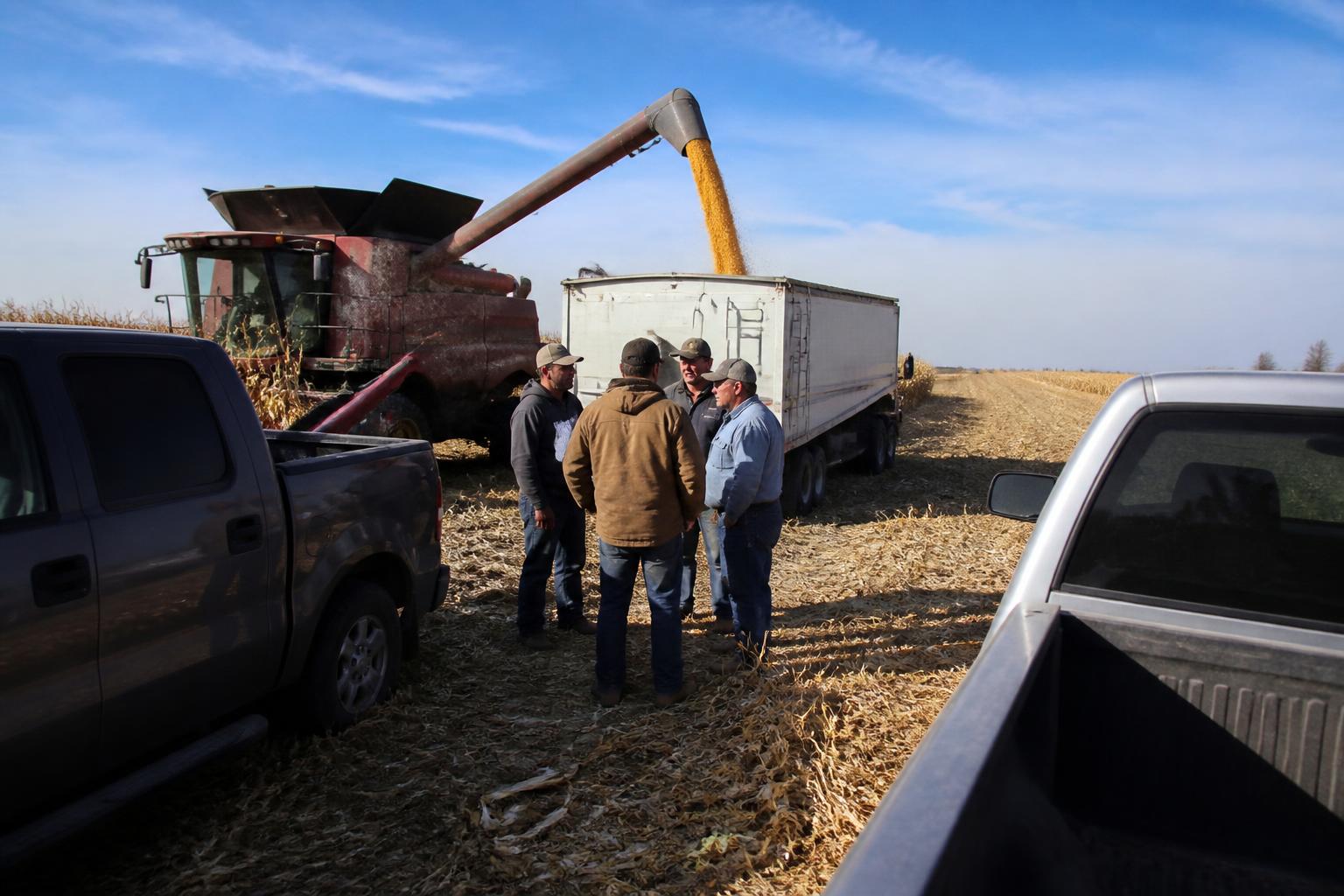
With the fall harvest season now underway across Indiana, the intersection of rural traffic and large-scale agricultural machinery requires heightened attention. As combines and grain carts frequent county roads and state corridors, farmers and commercial carriers are encouraged to maintain vigilance to keep the supply chain moving efficiently during this high-activity window. Proactive coordination between elevators and transport fleets can help mitigate the bottlenecks that often occur as regional intake volumes reach their peak.
Effective logistics strategies are essential this time of year, as delays in field-to-bin transfers can cascade through the entire local network. Many operators are currently evaluating their on-farm storage capacity to balance immediate field requirements against potential market volatility. Ensuring that equipment is road-ready and that transport schedules are communicated clearly helps prevent the operational stalls that can occur during peak harvest intensity.
Optimizing Infrastructure and Resource Management
Indiana's diverse landscape means that localized challenges, such as varying soil conditions and regional elevator capacity, continue to influence grain movement patterns. Whether you are operating in the northern reaches of the state or through central river valleys, maintaining clear communication with local storage facilities is a primary factor in sustaining throughput. As global market forces ripple through local input prices, many producers are finding that efficient internal logistics offer a critical buffer against broader supply chain pressures.
Furthermore, staying informed about input management and shifting infrastructure trends remains a priority for those looking to protect margins. With new terminal developments and ongoing upgrades to state-wide storage capabilities, understanding your local access points can provide a competitive edge. It is worth noting that while technology and infrastructure improvements are creating new efficiencies, the traditional focus on safety and local planning remains the backbone of a successful harvest.
What it means for the market
For the Indiana agricultural sector, the coming weeks represent a decisive period for operational success. By prioritizing cautious road use, strengthening ties with local grain buyers, and carefully managing on-farm storage, producers can better insulate their bottom line against external logistics disruptions. Keeping a sharp focus on regional flow ensures that harvest efforts translate effectively into market-ready inventory.
Comments
No comments yet - be the first to share your take.