
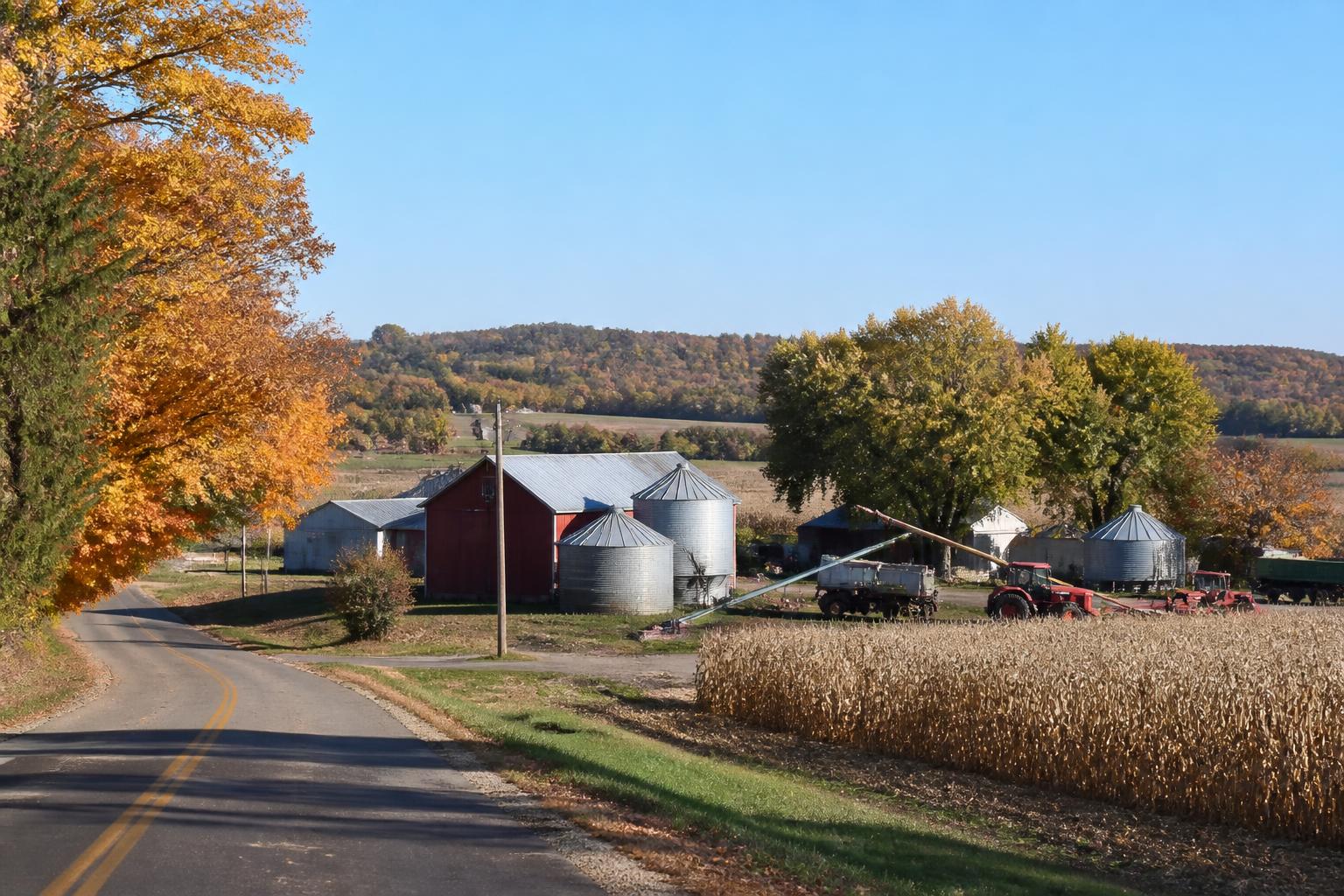
Adapting to Seasonal Nutrient Restrictions
As the Vermont agricultural community moves through the fall season, field activity is shifting toward critical end-of-year management. A central focus for dairy and livestock operators remains the compliance with the Vermont Agency of Agriculture, Food and Markets (VAAFM) winter manure spreading ban. With the ground transitioning as we move deeper into the fall months, producers are currently evaluating their storage capacity to ensure adherence to these environmental standards.
For many operations, this means accelerating application schedules while conditions remain favorable and prioritizing the maintenance of storage systems. Managing these regulatory pressures requires careful coordination between field teams and logistics planning to prevent runoff and remain in line with state guidelines as the winter weather sets in.
Logistics and Storage Considerations
Efficient nutrient management is becoming increasingly linked to broader infrastructure needs across the state. In some parts of Vermont, especially as producers consolidate their fall feed stocks, ensuring that storage sites are protected and accessible is paramount. Balancing these environmental mandates with daily farm operations often necessitates a proactive approach to soil health and equipment deployment.
Producers are encouraged to review their current nutrient management plans to ensure they align with the latest state directives. For those looking to optimize their grain and feed storage logistics, the focus continues to be on maintaining high standards of stewardship while minimizing costs associated with winter storage limitations.
What it means for the market
The transition into the late fall season demands heightened operational oversight. Farmers who streamline their nutrient application cycles now will likely face fewer bottlenecks as the winter shutdown approaches. By aligning field work with state regulatory timelines, the agricultural sector can maintain a balance between productivity and environmental sustainability, ensuring that local dairy and crop operations remain resilient heading into the next year.
Comments
No comments yet - be the first to share your take.