
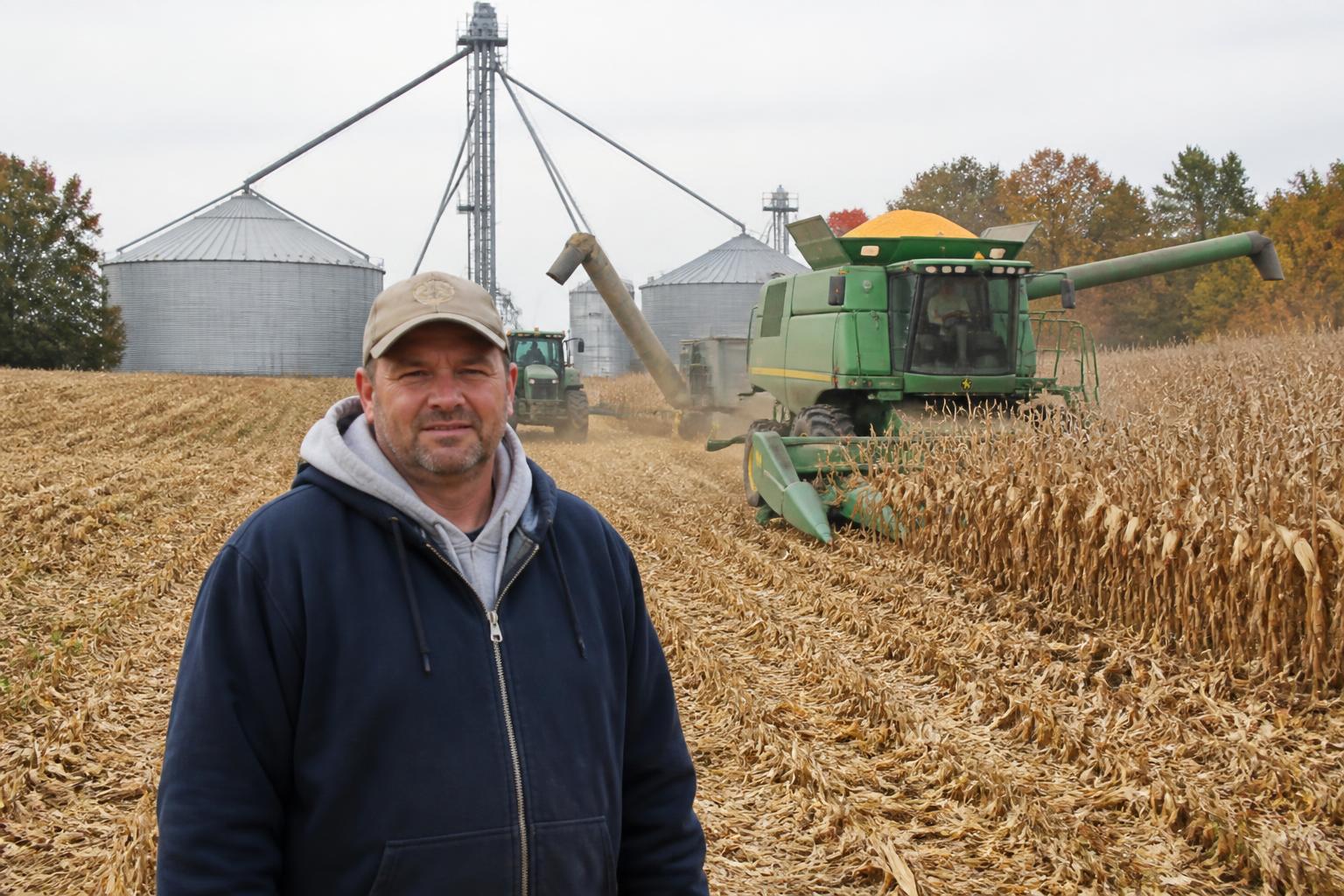
As the Illinois harvest season progresses, agricultural operators are once again recalibrating their financial strategies to contend with shifting market conditions. With production output and commodity price fluctuations influencing long-term income projections, many producers are finding it necessary to exercise caution regarding capital expenditures. Market analysts suggest that adjusting equipment and input spending may be a critical lever for many operations to preserve cash flow in the current climate.
Managing Input Costs Amidst Market Volatility
The agricultural input sector in Illinois continues to undergo significant recalibration. While some crop protection inputs have historically faced price volatility that significantly impacts regional production costs, recent shifts in the broader fertilizer and supply chain markets offer a complex picture for farm managers. Understanding these cost structures and regional supply security is vital for those looking to lock in requirements for the upcoming cycle while mitigating the risk of unpredictable price spikes.
Strategic Capital Allocation
With acreage dynamics and overall farm income remaining top of mind, the focus has shifted toward efficiency. This includes a more critical assessment of capital purchases, where experts note that restraint may be necessary to maintain liquidity. For many, the priority is balancing essential upgrades with the realities of modern operational budgets, particularly as the state's diverse agricultural regions face unique logistics and infrastructure demands.
What it means for the market
Producers should emphasize disciplined procurement and remain closely aligned with regional logistics providers to navigate supply chain bottlenecks. By prioritizing flexible, data-driven purchasing decisions over speculative capital investments, Illinois agribusinesses can better weather seasonal pressures and position themselves for more stable financial performance in the coming seasons.
Comments
No comments yet - be the first to share your take.