
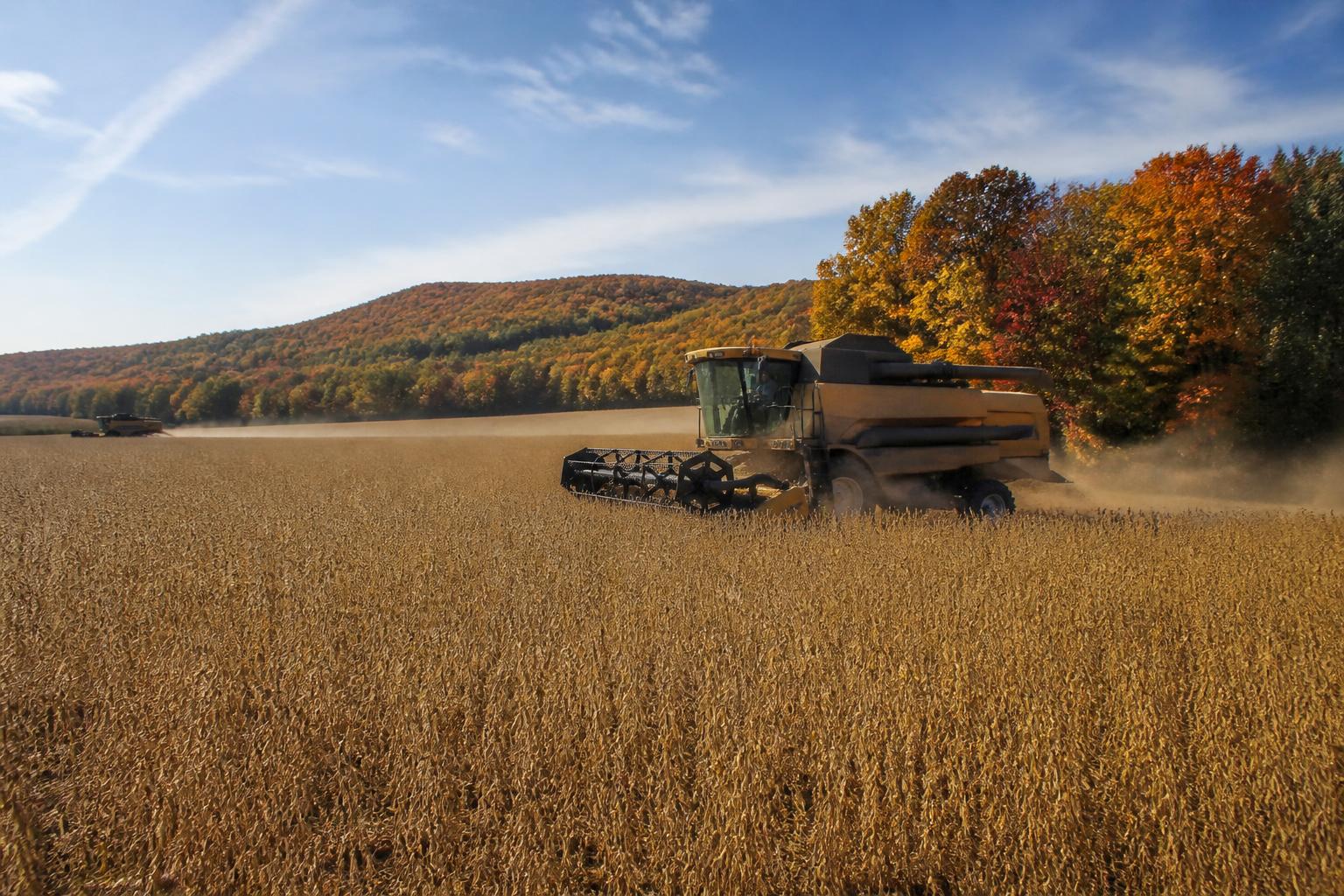
As Wyoming producers wrap up their late-season field operations, the agricultural community remains focused on balancing immediate harvest pressures with long-term land productivity. With the fall season in full swing, local growers are increasingly turning toward innovative soil management strategies to secure their land against future volatility.
Researchers at the University of Wyoming are currently integrated into a large-scale project aimed at evaluating perennial crop rotation systems. This initiative suggests that, for many operations, transitioning toward more diverse planting cycles could offer significant benefits for soil health and yield stability in the coming years. By moving beyond traditional monoculture, farmers may be better equipped to withstand the unpredictable climate patterns often seen across the high plains.
Navigating Market and Trade Uncertainty
Beyond the field, the broader economic landscape continues to influence decision-making for Wyoming agribusinesses. Potential shifts in trade policies and tariff structures remain a key topic of discussion, with many producers assessing how these changes could impact costs for inputs and downstream market access. Producers are currently navigating these shifting regulatory and operational landscapes to safeguard their bottom lines against external economic pressures.
As national agricultural leadership continues to highlight the need for consistent policy support, local stakeholders are encouraged to remain agile. Producers continue to balance operational hurdles amidst shifting fall markets by focusing on cost-effective input management and optimizing storage capacity, ensuring that grain and livestock remains protected until optimal market windows emerge.
What it means for the market
For Wyoming producers, the priority this fall remains securing the harvest while investing in systems that mitigate long-term risk. While external factors such as trade policy are largely out of direct control, the shift toward sustainable rotation practices represents a proactive approach to maintaining regional competitiveness. Producers should continue to monitor local logistics and storage availability as the fall shipping season intensifies, ensuring their operations remain resilient against both economic and environmental variables.
Comments
No comments yet - be the first to share your take.