
As summer field operations peak across Hawaii, local agricultural producers are navigating a rapidly shifting landscape of port logistics, high-tech security integration, and small-scale grower support. Managing isolated island supply chains requires persistent vigilance, especially during the dry summer months when crop vulnerability and input costs typically rise. For Hawaii's diversified farms, seed nurseries, and livestock operations, keeping transport lanes open and protecting high-value fields remain the top priorities.
Operational resilience is particularly critical for the state's specialized seed operations and ranches, which frequently deal with high overhead costs. Ensuring secure shipping lines and robust biosecurity measures is essential for navigating island biosecurity and operational expenses during these peak production months.
Pacific Port Services Adapt to Shipping Needs
With island agriculture entirely dependent on maritime trade, shipping reliability is a constant focus. Recent shifts in the Pacific logistics network have brought both challenges and solutions. Following the shutdown of MacMillan-Piper, shipping firm Pasha has stepped in to revive vital Pacific port services. This transition is crucial for Hawaii's agricultural sector, which relies on consistent cargo handling to receive mainland inputs such as fertilizers, feed, and specialized machinery.
For growers on Oahu, Maui, Kauai, and the Big Island, seamless cargo transitions at Honolulu and regional ports minimize costly delays. Livestock operations, including Hawaii's traditional cattle ranches, rely heavily on these maritime links to manage herd logistics and transport animals efficiently. Any disruption in port services can quickly impact the availability of feed and specialized equipment needed to sustain herds through summer pasture dry-downs.
High-Tech Surveillance Safeguards Island Crops
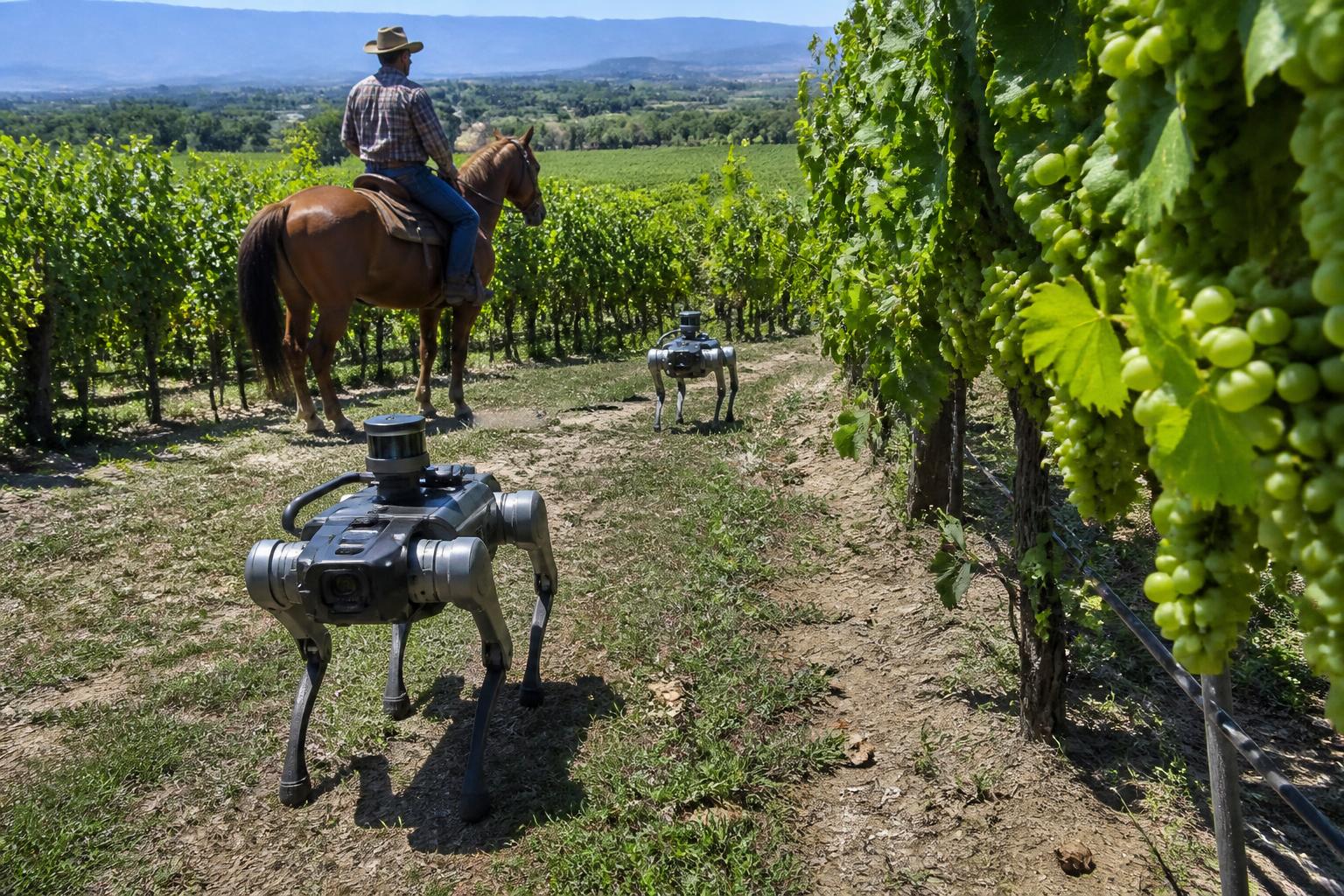
To combat crop theft and mitigate pest threats, some Hawaii agricultural operations are turning to advanced automated solutions. A robotics firm based out of Norristown has deployed robotic security dogs on Hawaii farms to monitor fields and safeguard valuable agricultural assets. These agile, high-tech units provide real-time surveillance across rugged island terrain where manual monitoring is difficult and expensive.
This technological push aligns with broader efforts to protect the islands' delicate ecosystems. Island environments are exceptionally vulnerable to invasive species and localized plant diseases. Researchers from the National Wildlife Research Center (NWRC) continue to focus on invasive species mitigation to protect both native habitats and commercial farm outputs. Integrating automated monitoring helps growers detect unauthorized access and early signs of environmental stress before they damage high-value summer crops.
Microgrants Bolster Local Food Production
While large-scale operations adopt advanced robotics, smaller local food producers are finding vital support through targeted financial assistance. Agricultural microgrants have emerged as a highly effective tool for boosting local food security. These small, targeted funding rounds allow smallholders and family farms to invest in essential infrastructure, such as irrigation upgrades, soil health improvements, and secure fencing.
By directly supporting back-yard growers and small-scale farmers, these microgrants help reduce the state's heavy reliance on imported food. Diversifying local production not only strengthens regional food systems but also keeps more agricultural revenue circulating within island communities during the peak summer marketing season.
Key Takeaways for Hawaii Agribusinesses
- Logistical Continuity: The entry of Pasha into Pacific port services helps stabilize key cargo lanes following previous shipping disruptions.
- Technological Integration: Robotic security dogs represent a growing trend toward automated farm security and localized environmental monitoring.
- Targeted Support: Ag microgrants provide small-scale island growers with the flexible capital needed to improve summer yield resilience.
What it means for the market
For Hawaii's agricultural market, the combination of stabilized port logistics and innovative security tech offers a path toward improved operational stability. While high input costs and biosecurity threats remain persistent hurdles, the transition in Pacific shipping services ensures that critical materials will continue flowing to Hawaii's fields. Producers who leverage local microgrants and adopt modern crop protection strategies will be best positioned to maintain steady production margins through the remainder of the summer season.
Comments
No comments yet - be the first to share your take.