
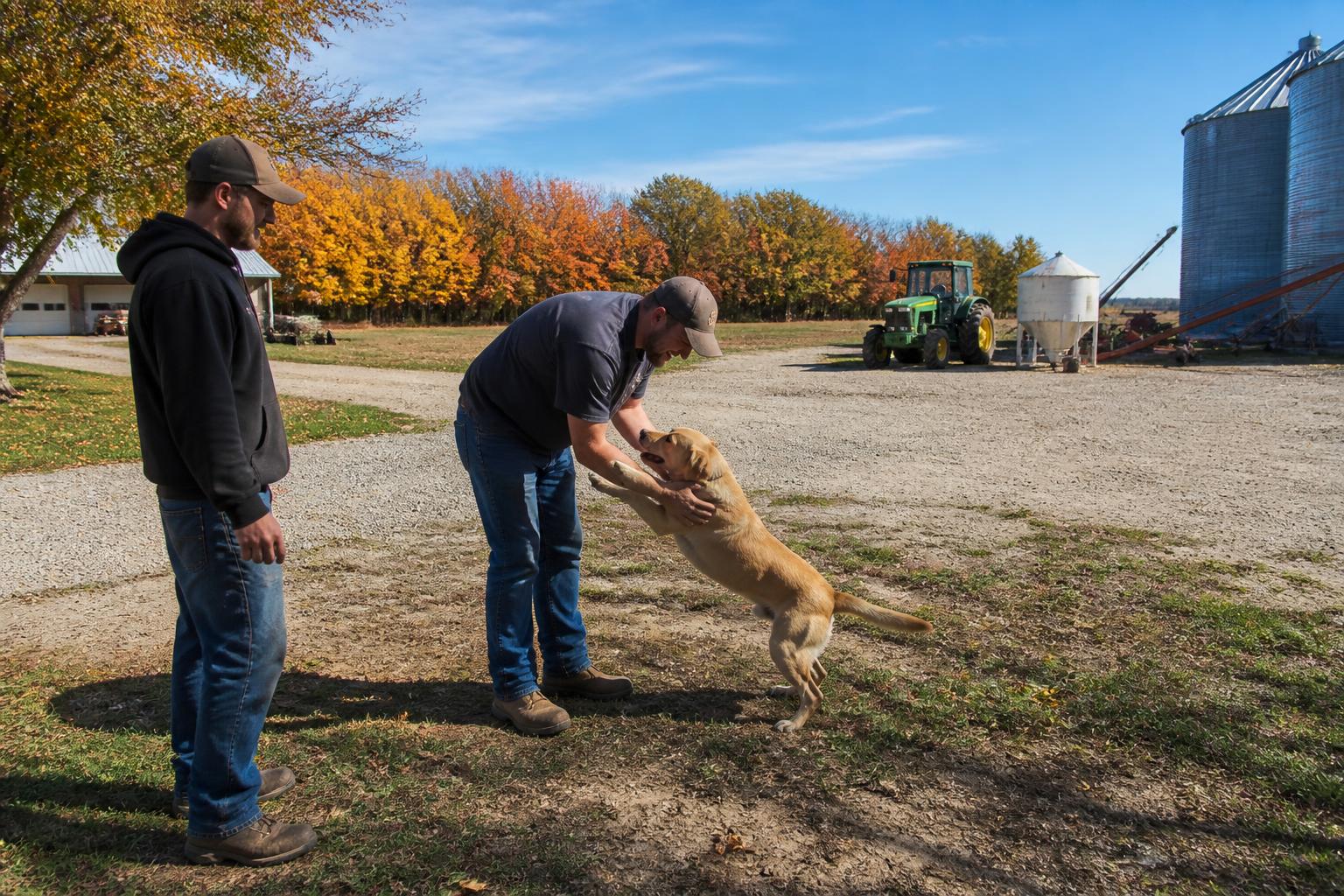
As the fall harvest accelerates across Illinois, producers in regions from the northern prairies to the southern river bottoms are turning their focus toward efficient logistics and field operations. While regional infrastructure remains a vital conduit for moving grain to market, many farmers are navigating a season defined by heightened operational awareness and a need to optimize every stage of the supply chain.
For those managing grain movement, recent shifts in logistics innovation are becoming part of the broader discussion on efficiency. Integrating new tools to manage grain transport logistics is increasingly essential as operations look to mitigate the impact of rising costs. Whether utilizing on-farm storage or coordinating with local elevators, the ability to maintain a steady flow of commodities is paramount in preventing bottlenecks that can occur during the peak of harvest traffic.
Navigating Economic Headwinds
The current environment for Illinois agribusinesses involves balancing market volatility with the rising cost of essential inputs. Many producers have noted that managing margin pressures and energy costs remains a top priority as combine hours increase and drying needs scale up. With regional logistics playing such a critical role in profit retention, operators often look to shorten haul times and optimize truck scheduling to combat fuel price fluctuations.
Furthermore, equipment reliability is under the spotlight as the season progresses. Maintaining machinery, from combine headers to grain carts, is crucial to avoiding downtime during critical weather windows. As growers evaluate their harvest season logistics and operational headwinds, the focus frequently shifts to preventative maintenance as a buffer against mid-season delays.
What it means for the market
For the Illinois agricultural sector, the primary takeaway for the remainder of the fall is the necessity of proactive management. By prioritizing efficient logistical planning, coordinating early with grain handlers, and staying diligent on input costs, farmers and agribusinesses can better shield their operations from the seasonal strain often observed during the height of the harvest.
Comments
No comments yet - be the first to share your take.