
Navigating Environmental and Market Risks
As Vermont producers move through the fall season, the focus remains squarely on operational stability. Recurring weather events have tested the resolve of many local growers, necessitating a shift toward more robust risk management strategies. From the Champlain Valley to the rolling hills of the Northeast Kingdom, safeguarding assets against unpredictable climate shifts has become as critical as managing daily output.
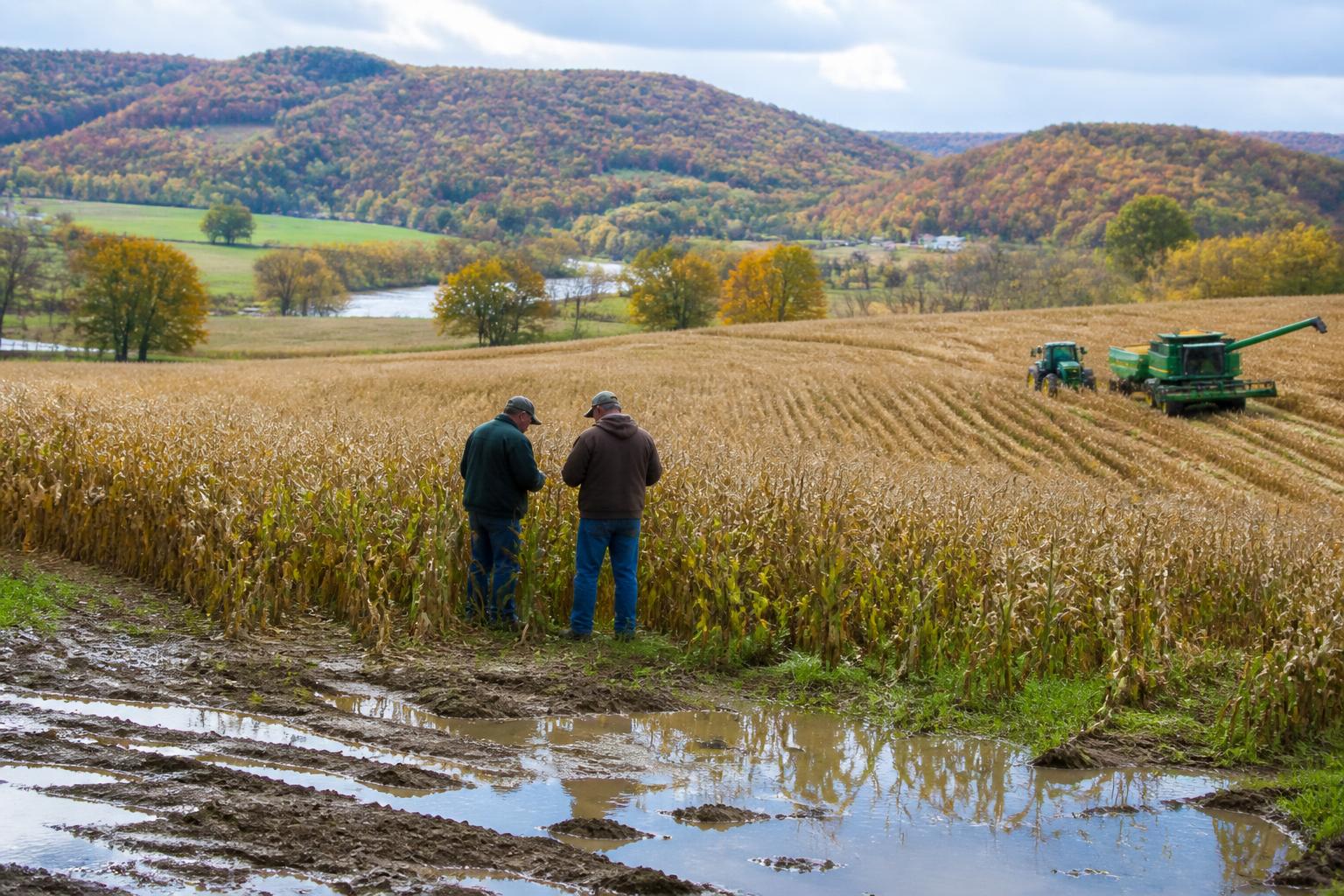
For many, this means revisiting long-term protection plans to manage regulatory pressures and infrastructure resilience. Flooding in successive years has highlighted the need for improved soil management and drainage strategies, ensuring that fields are not only productive but also physically secure against heavy rainfall events common in the late season.
Trade Pressures and Operational Costs
Beyond the field, Vermont businesses are also navigating complex trade dynamics. Disruptions in international trade, such as shifting tariff environments, have impacted regional cheesemakers and specialized food producers. These external factors can lead to increased costs of production that are often felt at the processor level, requiring farm-based businesses to tighten margins or seek local supply chain efficiencies.
Producers are increasingly evaluating their financial exposure as they prepare for winter. Whether dealing with shifting nutrient management mandates or tightening seasonal budgets, success in the current climate requires a proactive approach to both environmental mitigation and market diversification.
Key Takeaways
- Prioritize infrastructure improvements to mitigate the impact of recurring wet-weather cycles.
- Evaluate supply chain vulnerabilities resulting from international trade volatility.
- Align management practices with evolving regional environmental regulations to avoid unexpected compliance costs.
What it means for the market: The path forward for Vermont agriculture lies in agility. While the combination of environmental and trade-related uncertainty is significant, producers who focus on local market resilience and robust protective infrastructure are better positioned to weather the volatility inherent in the current agricultural landscape.
Comments
No comments yet - be the first to share your take.