
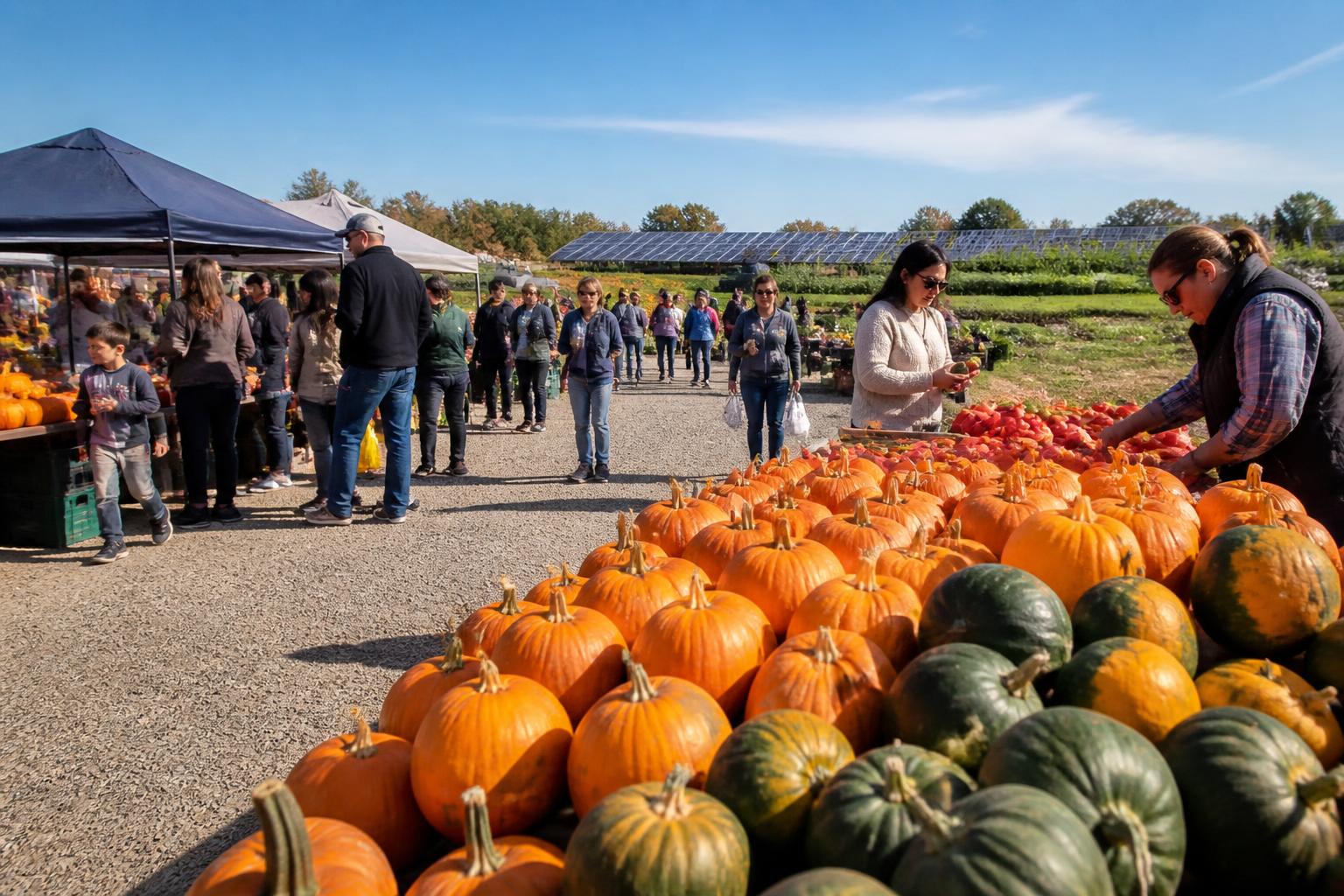
As the fall harvest season progresses across New Jersey, agricultural producers are increasingly focused on both immediate yield recovery and the long-term stabilization of their operations. Following a spring characterized by significant weather volatility that impacted output for many regional farms, the industry is recalibrating its approach to maximize remaining seasonal potential. This period serves as a critical junction for producers who are balancing the complexities of crop storage, roadside distribution, and the broader integration of sustainable land-use practices.
Adapting to Evolving Production Dynamics
Local growers are increasingly exploring diversified strategies to hedge against the risks of unpredictable growing cycles. This shift includes a greater emphasis on integrated harvest logistics and infrastructure to ensure that local yields remain competitive within regional supply chains. As farms manage current inventories, many are turning to advanced field management models that emphasize water conservation and efficiency, which may provide a buffer against rising input costs and utility pressures observed throughout the state.
Logistics and Resource Resiliency
Transportation and resource management remain at the forefront of agribusiness discussions in New Jersey. With the state's proximity to major metropolitan consumption hubs, the efficiency of farm-to-market channels is paramount. Ongoing regional initiatives are focusing on streamlining these distribution networks, ensuring that fresh produce reaches consumers while minimizing logistical bottlenecks. For grain and forage producers, the focus is likewise on strengthening association memberships to better address collective challenges regarding infrastructure and market access.
What it means for the market
For New Jersey agribusinesses, the current environment demands a proactive stance on resource management and supply chain agility. Producers should prioritize localized market connections and explore emerging models for land-use efficiency that can mitigate the impact of environmental stressors. As the market moves deeper into the fall, maintaining a focus on cost-effective logistics and reliable regional distribution will be essential for navigating the current economic landscape.
Comments
No comments yet - be the first to share your take.