
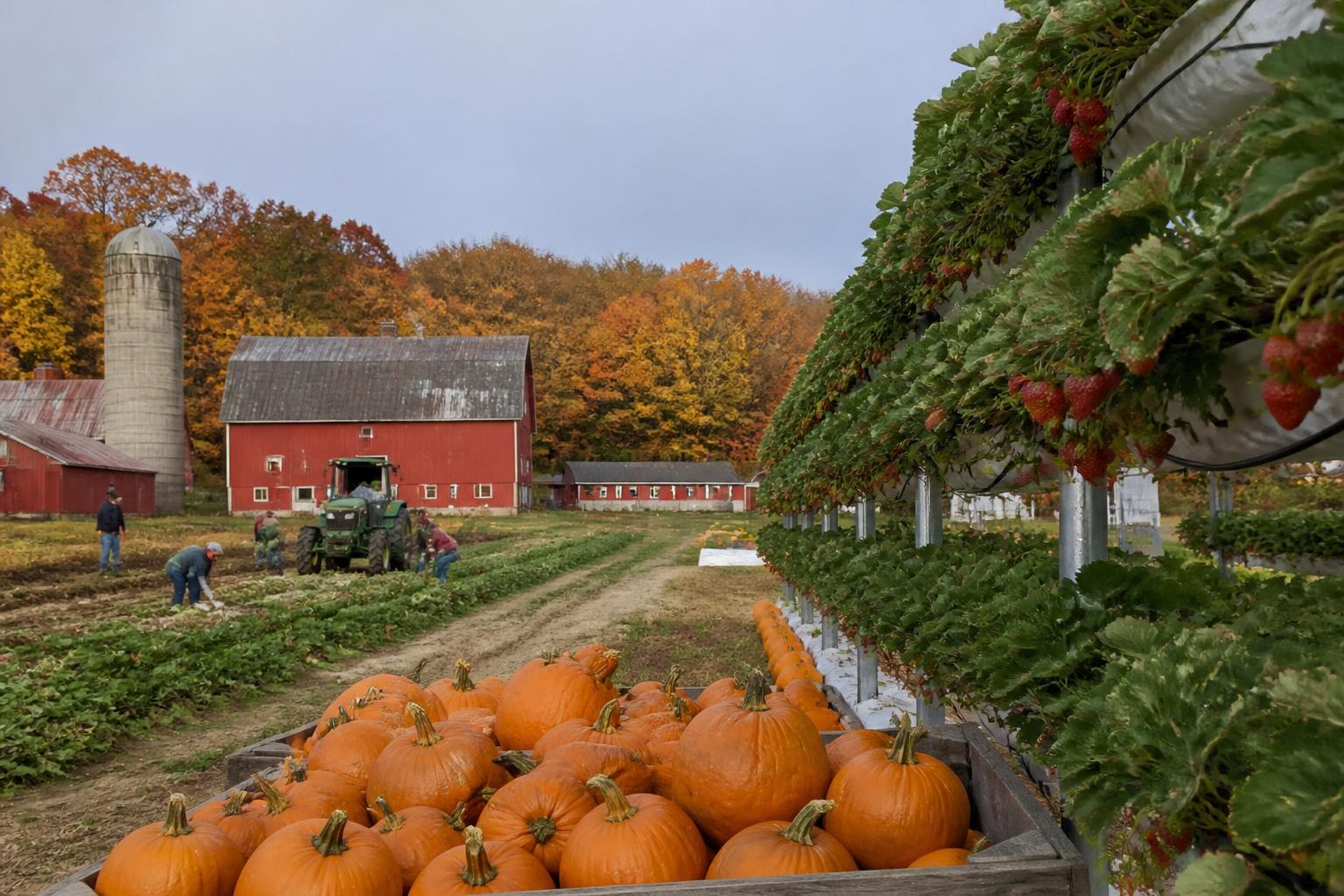
As we move deeper into the fall season, New Jersey producers are reporting optimistic harvest expectations, with yields in many sectors trending to outperform the previous year. This output surge places a premium on efficient harvest logistics, as farmers work to coordinate transport and storage to accommodate the increased volume of commodities moving through the state's corridors.
While local production remains strong, agribusinesses are keeping a close watch on broader market pressures. Regulatory attention on shipping practices and the continued evolution of localized farming techniques, including the expansion of vertical agriculture in areas like Newark, are highlighting the diversity of the state's agricultural landscape. These developments represent a shift in how resources and space are utilized to meet ongoing market demand.
Managing Biosecurity and Regional Resilience
Biosecurity has moved to the forefront of operational planning for many livestock and poultry producers. Following reports of avian influenza activity in nearby regions like the Lehigh Valley, New Jersey farmers are encouraged to maintain heightened levels of site security and vigilance. Consistent monitoring of flock health is essential to mitigating risks and ensuring that the protection of valuable agricultural assets remains a top priority during this high-activity period.
Furthermore, regional resilience remains a focal point as industry stakeholders assess the movement of goods and the impact of federal and state-level policy adjustments. Whether dealing with routine seasonal logistics or navigating complex regulatory environments, maintaining clear communication with input suppliers and transport partners can often provide an edge during peak harvest windows.
What it means for the market
For New Jersey farmers and handlers, the current environment demands a dual focus: optimizing throughput to capture gains from stronger-than-expected yields while simultaneously tightening logistics and biosecurity protocols. By prioritizing efficient transit and proactive health monitoring, operations can better position themselves to navigate the final stretch of the season with stability and profitability.
Comments
No comments yet - be the first to share your take.