
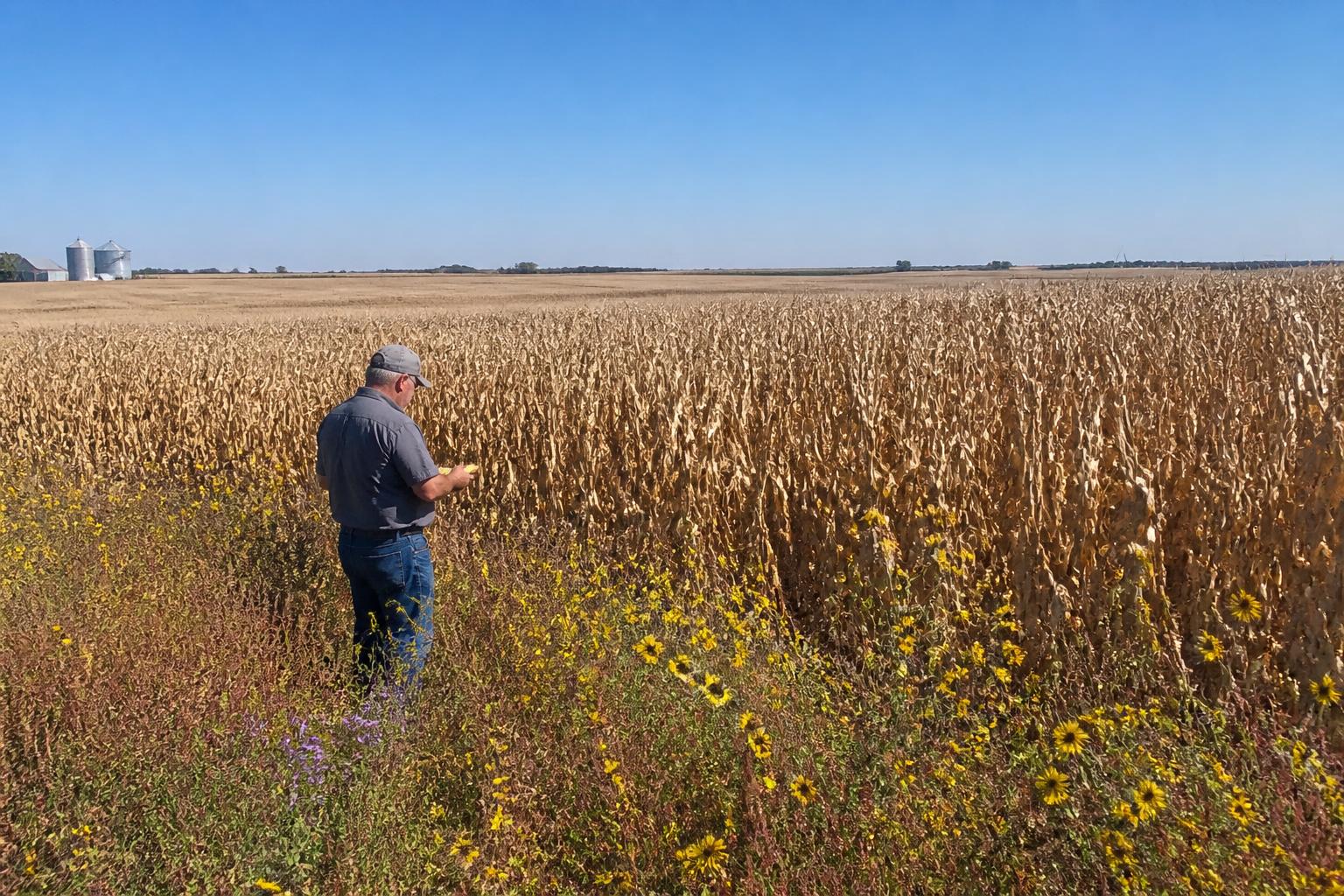
As harvest operations ramp up across Colorado, producers are balancing the immediate demands of field work with the long-term need for efficient resource management. With shifting environmental conditions, staying ahead of potential disruptions is essential for maintaining margins. For many operations, the focus is currently on tightening logistics and optimizing operational efficiency to navigate a volatile input landscape.
Regional agricultural sectors are closely monitoring how environmental stressors influence crop health and storage quality. Whether managing regional drought impacts or mitigating unpredictable weather events, the ability to pivot with precision agricultural tools continues to be a priority for growers throughout the state. As in past seasons, the interplay between input costs and end-of-season yield quality requires a disciplined approach to inventory and field oversight.
Optimizing Logistics and Input Management
The movement of commodities remains a significant factor for Colorado agribusinesses. Effective coordination with rail and trucking partners is often the deciding factor in maintaining a smooth flow of goods from the field to regional storage hubs. As producers manage post-harvest pipeline efficiencies, the goal is to reduce bottlenecks that can exacerbate rising operational costs. Being proactive about storage capacity and transportation windows helps prevent the unnecessary expense of holding commodities in suboptimal conditions.
Strengthening Operational Resilience
Beyond logistics, the focus on sustainable agricultural practices is gaining momentum. Initiatives aimed at supporting local pollinators and enhancing soil health are becoming standard considerations in modern farm management. These efforts not only contribute to long-term ecological balance but also align with broader industry trends toward more resilient farming systems. As policy discussions evolve, keeping a pulse on the legislative landscape can help producers identify opportunities for support and avoid common operational pitfalls.
What it means for the market
For Colorado farmers and grain handlers, the current environment demands a cautious but strategic outlook. By prioritizing logistics, staying informed on available input supply outlooks, and leveraging precision tools, operators can better navigate the complexities of this year’s harvest. Success this fall will likely hinge on the ability to manage localized risks while maintaining a clear view of broader market pressures affecting the bottom line.
Comments
No comments yet - be the first to share your take.