
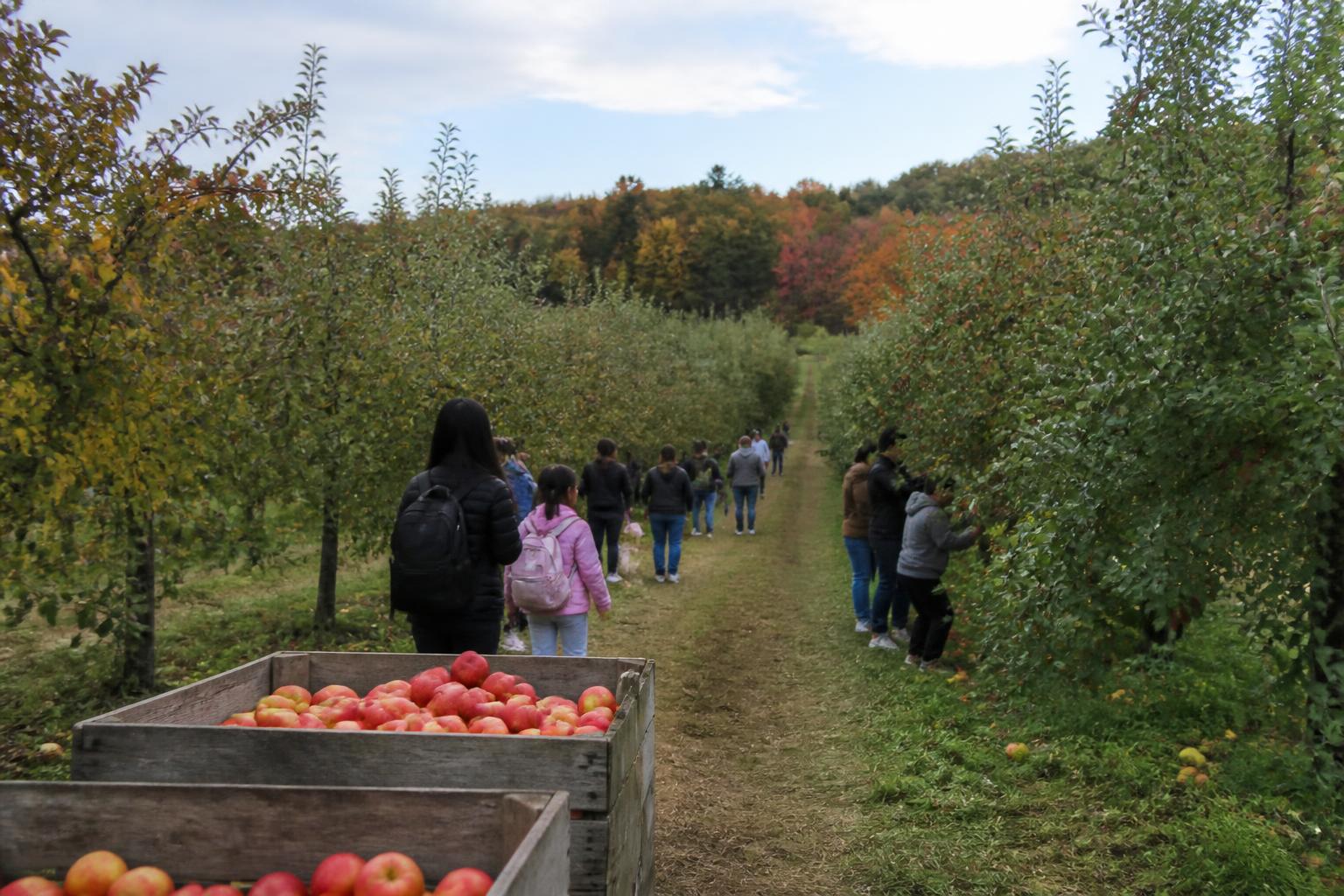
As the fall harvest progresses across Rhode Island, agricultural operators are shifting their focus from field activities to planning for upcoming nutrient management cycles. Market observers note that recent volatility in input pricing continues to challenge the bottom line for many local producers, as lingering impacts from global supply chain disruptions underscore the need for strategic procurement and careful budgeting.
For those managing soil fertility, staying ahead of supply shifts is increasingly important. Producers often find that evaluating soil health and fertilizer strategies well in advance of the next planting season helps mitigate the risks associated with price spikes. As farms look toward winter planning, optimizing nutrient applications based on precise testing can assist in maintaining productivity while managing overhead costs in a tightening economic environment.
Managing Input Volatility in a Global Context
Rhode Island agriculture is not immune to the broader pressures facing U.S. growers. Increased operational costs, often linked to fluctuations in energy and logistics markets, can complicate the decision-making process for local farmers. In some parts of the state, growers are increasingly looking at ways to refine their input usage, ensuring that every dollar spent on fertility directly supports crop yields and long-term land stewardship.
Logistics and Resource Planning
Reliable access to inputs remains a cornerstone of successful farm management. While regional supply chains generally remain functional, staying connected with local grain handlers and input suppliers can provide a clearer picture of regional availability. Many farmers in the Northeast are finding that navigating fertilizer access through proactive planning is the most effective defense against the uncertainty currently observed in global commodity markets.
What it means for the market
For Rhode Island agribusinesses and producers, the current market climate necessitates a focus on efficiency and informed purchasing. By prioritizing soil analysis and maintaining close ties with local suppliers, farmers can better navigate the complexities of current input costs. As the industry moves deeper into the fall, maintaining a flexible strategy will likely remain essential for protecting margins and ensuring a stable foundation for the next growing season.
Comments
No comments yet - be the first to share your take.