
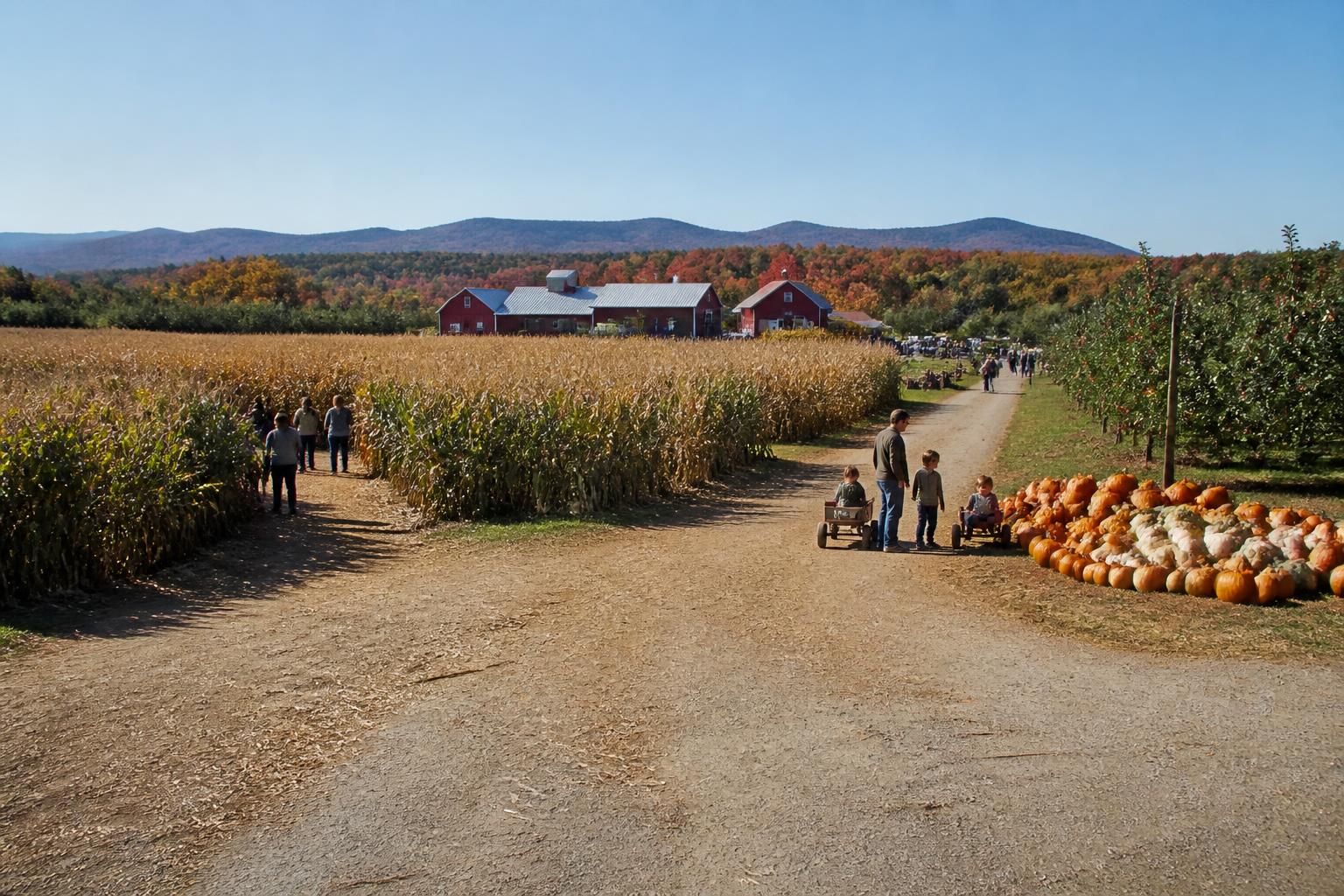
As autumn takes hold across New Hampshire, agricultural operations are in the midst of a critical harvest window. From the rolling fields of the Upper Valley to the smaller, specialized farms in the southern counties, growers are prioritizing efficiency as they bring in late-season crops. Whether managing row crops or preparing infrastructure for winter, the focus for many remains on optimizing logistics and maintaining stable market connections.
Adapting to Seasonal Challenges
The transition into fall often requires farmers to reassess their equipment readiness and land management strategies. For producers operating in areas like the Seacoast or near the Merrimack River, balancing seasonal labor demands with regulatory compliance remains a persistent theme. Many operations are finding that successful market viability for New Hampshire farms depends on proactive planning and navigating local site-use requirements during high-traffic harvest months.
Logistics and Equipment Efficiency
Equipment maintenance is paramount this time of year. As harvest volumes peak, having reliable machinery, such as loaders and telehandlers, helps ensure that grain and produce move from the field to storage or distribution points without unnecessary downtime. In a state where geography can present unique logistical hurdles, local handlers are emphasizing the importance of well-maintained access roads and, where applicable, the strategic use of grain storage to buffer against fluctuating supply chain speeds.
What it means for the market
For New Hampshire agribusinesses, the current period represents a crucial test of operational resilience. By focusing on site accessibility and maintaining tight control over storage logistics, producers can better manage the volatility often associated with the transition between harvest and the winter storage season. Staying attuned to regional best practices for land stewardship will remain essential for securing the long-term success of the Granite State's agricultural sector.
Comments
No comments yet - be the first to share your take.