
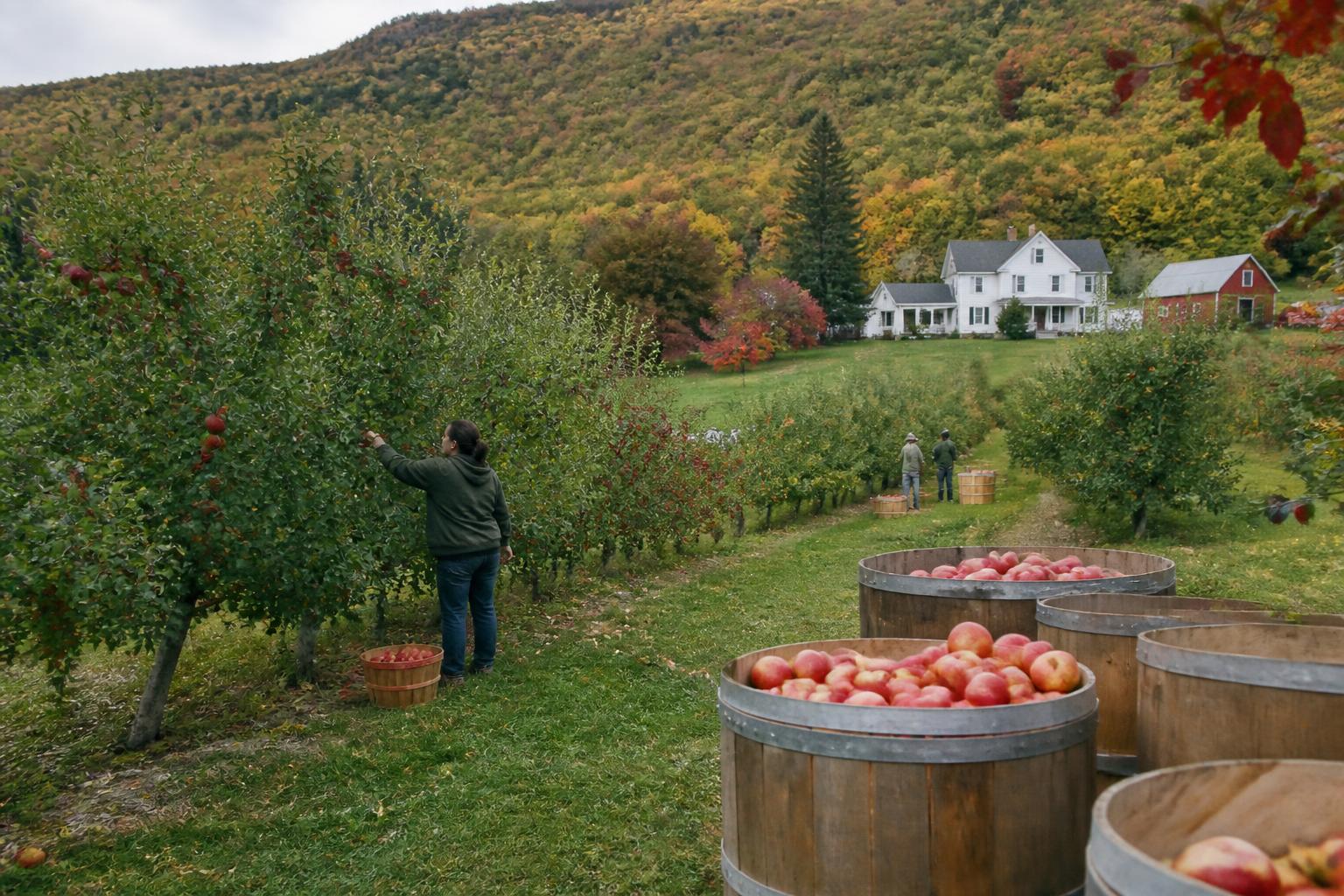
As the fall harvest season shifts into high gear across New Hampshire, agricultural producers are increasingly focused on the intersection of land preservation and long-term economic sustainability. The state’s diverse agricultural landscape—ranging from long-standing dairy operations in the Upper Valley to smaller, diversified produce and nursery farms—continues to face pressure from shifting market dynamics and rising operational costs. For many multi-generational family farms, securing the future often starts with protecting the land itself, as conservation easements play a vital role in keeping acreage in production and out of the path of development.
Adapting to Evolving Operational Realities
The resilience of the Granite State's agricultural sector is often tied to a producer's ability to adapt. For the remaining dairy farmers in the Upper Valley, adjusting business models has become a necessity to maintain profitability. Beyond direct production, many operations are finding new ways to generate value by tapping into the growing interest in local agritourism and regional food identity. This transition frequently involves navigating the complex logistics of grain and feed inputs, which remains a core factor in maintaining consistent supply chains during peak demand periods.
The Role of Research and Innovation
Innovation continues to support New Hampshire’s agricultural identity, even as the industry mourns the loss of influential voices like noted plant breeders. Sustaining this momentum requires continued investment in local research, which many advocates argue is essential for tackling regional climate challenges and identifying crop varieties that thrive in our specific soil types and shorter growing windows. Maintaining these research resources provides producers with the localized data they need to make informed decisions about their input investments and harvest timing.
What it means for the market
For agribusinesses and buyers, these shifts suggest a trend toward more specialized and protected local supply chains. As farms secure their land base through easements and modernize their operations, they are better positioned to offer consistent, high-quality products to the regional market. Buyers who align themselves with these stable, forward-thinking operations may find more reliable long-term partners, while producers should keep an eye on how evolving land use policies continue to reshape the availability of local agricultural resources throughout the coming season.
Comments
No comments yet - be the first to share your take.