
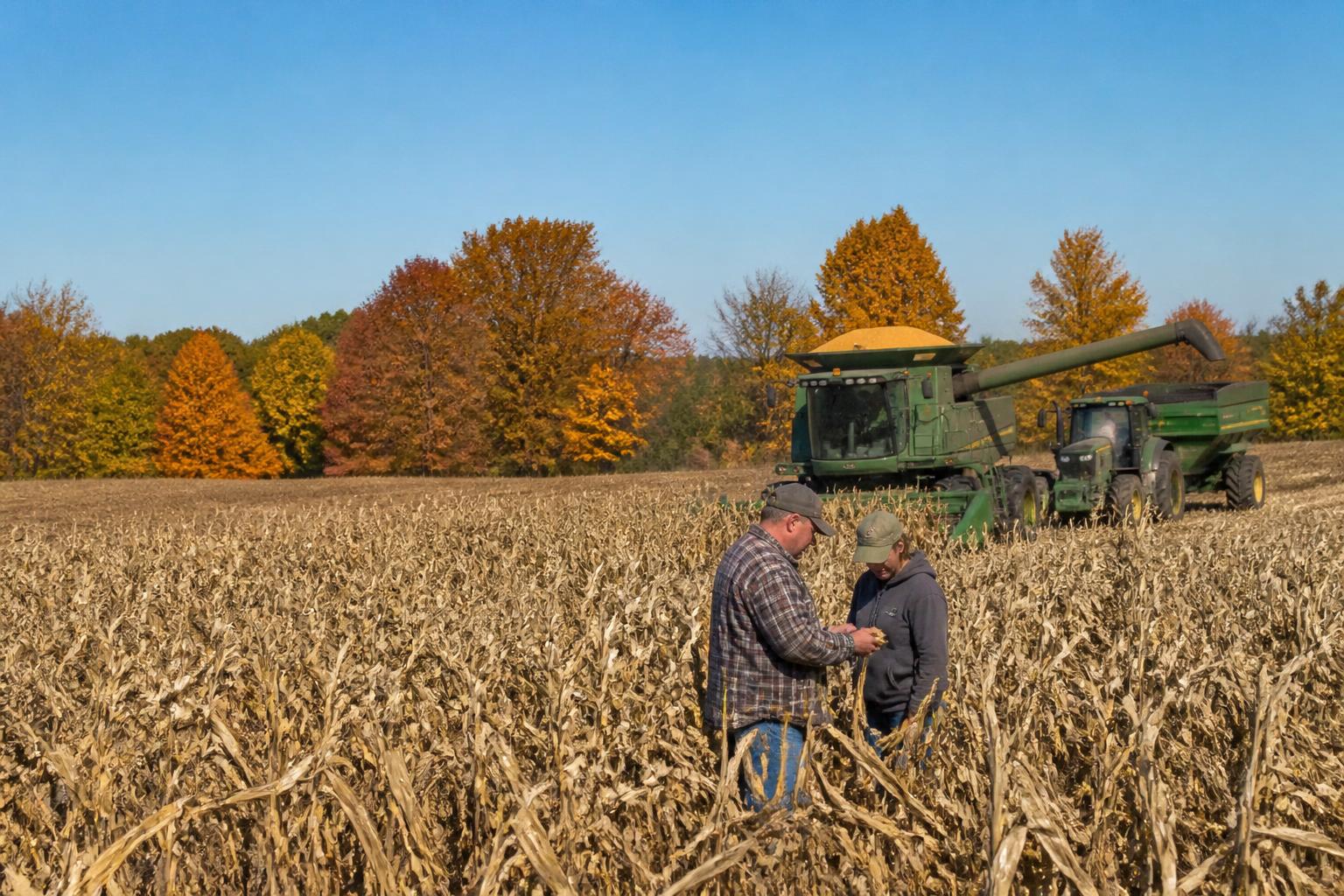
The fall harvest window is officially in full swing across Michigan, with field activity increasing from the southern counties up through the thumb region. For many producers, the current season represents a critical period where the convergence of drying crops and time-sensitive logistics requires sharp attention to detail. As combines and grain carts move between fields, maintaining a high standard of equipment safety is paramount to avoiding costly disruptions during these peak operating weeks.
Beyond the immediate field work, growers are navigating an increasingly complex economic landscape. Recent reports indicate that agricultural production expenses remain elevated, placing added pressure on net income projections. These financial headwinds, paired with shifting demand patterns, are prompting many agribusinesses to reevaluate their input management strategies. Understanding how to navigate seasonal freight pressures can be a decisive factor in maintaining margins as harvested grain moves toward storage or processing facilities.
Refining Efficiency and Input Management
In the vegetable and row crop sectors, there is a continued push toward resource efficiency. Recent trials in sweet corn production, for example, have highlighted that modern agricultural approaches can help achieve yield goals with more precise water usage, even when faced with variable weather patterns. Integrating these efficiencies into broader farming operations not only supports environmental stewardship but also aligns with the necessity of tightening operational costs during a high-debt environment.
Strategic Planning for the Coming Winter
As the daylight hours wane, producers should consider the upcoming transition into the winter planning phase. This includes reviewing lease arrangements and finalizing integrated pest management reports to prepare for the next season. Engaging with university extension resources can provide the necessary data to pivot effectively if market conditions or input availability continue to shift.
What it means for the market
The current market environment suggests that Michigan producers who emphasize safe, efficient harvesting and proactive financial planning are best positioned to withstand current cost volatility. With expense pressure weighing on the sector, managing logistics to minimize downtime and leveraging data-driven crop management will likely be the difference-makers for profitability as the industry wraps up the fall season.
Comments
No comments yet - be the first to share your take.