
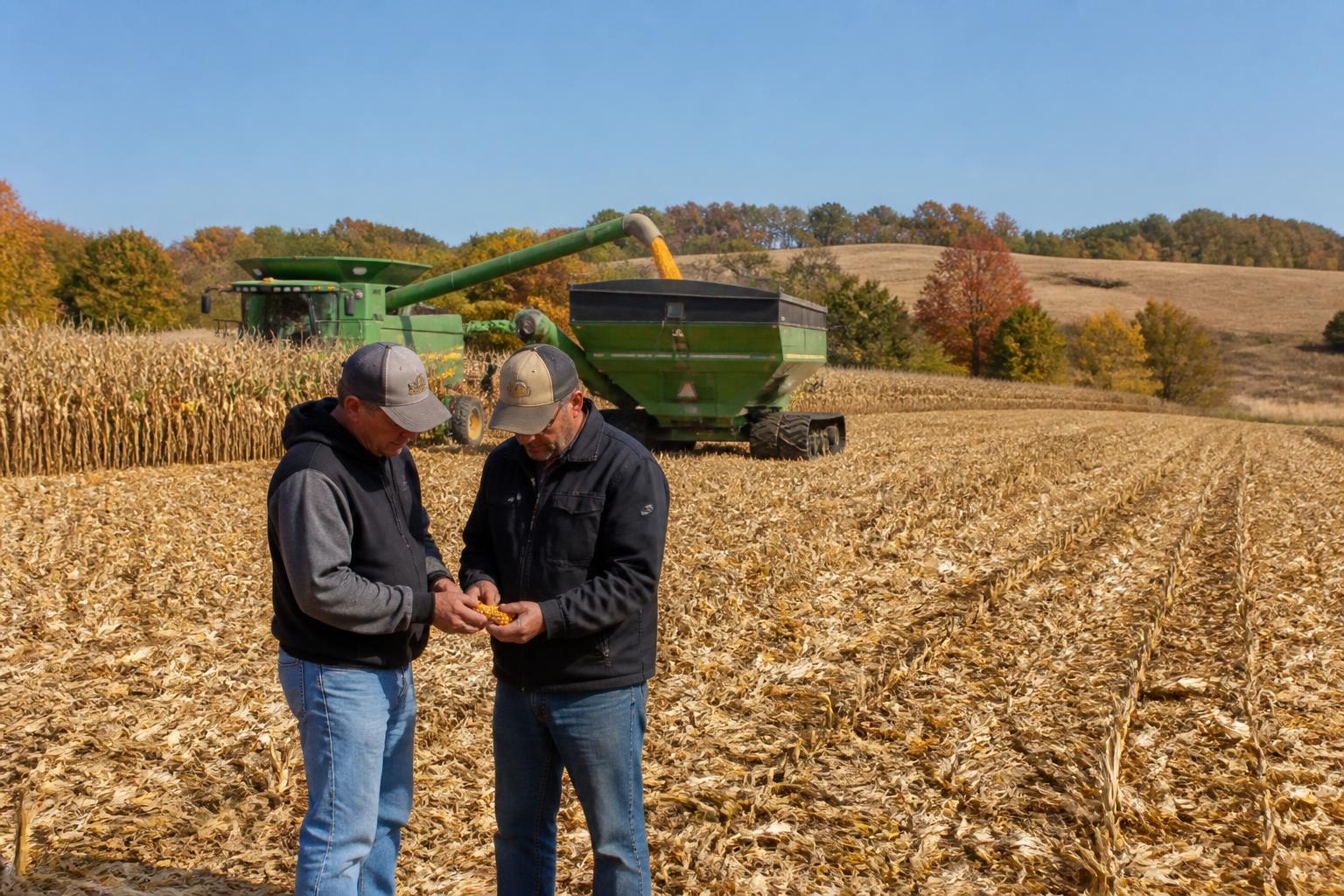
As the fall harvest momentum builds across Texas, grain producers and facility operators are increasingly focused on balancing high-volume throughput with the logistical realities of the current season. Efficient movement of corn, sorghum, and wheat remains a top priority, especially as regional elevators and rail corridors see heightened activity in October. Understanding the nuances of Texas grain logistics and how to navigate shifts in regional export patterns can provide a distinct advantage in managing on-farm storage and delivery schedules.
The current market landscape is characterized by a need for agility, particularly regarding transport and input procurement. With harvest operations intensifying, producers may encounter varying degrees of pressure on infrastructure. Maintaining a proactive approach to seasonal logistics and regulatory compliance is essential for minimizing potential bottlenecks at both local elevators and larger transit hubs.
Monitoring Market Volatility and Operational Costs
In addition to physical movement, producers are weighing the impacts of ongoing market volatility on their bottom lines. Factors such as input costs and broader economic conditions require a strategic eye when deciding between immediate sales or longer-term storage strategies. Many operations continue to evaluate market dynamics and cost-management practices to steady their operations amidst uncertain price trends.
Optimizing Field-to-Market Efficiency
As field operations progress, regional coordination between carriers and facility managers often helps mitigate delays. Whether moving grain toward coastal export terminals or regional processing centers, early communication regarding capacity and trucking availability can help alleviate the stress of peak harvest weeks. Adapting to the specific needs of the state's diverse agricultural sectors remains key to ensuring that high-quality yields reach their destination efficiently.
What it means for the market
The convergence of peak fall harvest and logistics demands requires Texas agribusinesses to remain disciplined. By prioritizing communication with transport providers and keeping a close watch on regional rail and storage capacity, producers can better position themselves to mitigate the risks of seasonal bottlenecks and capitalize on market fluctuations throughout the remainder of the year.
Comments
No comments yet - be the first to share your take.