
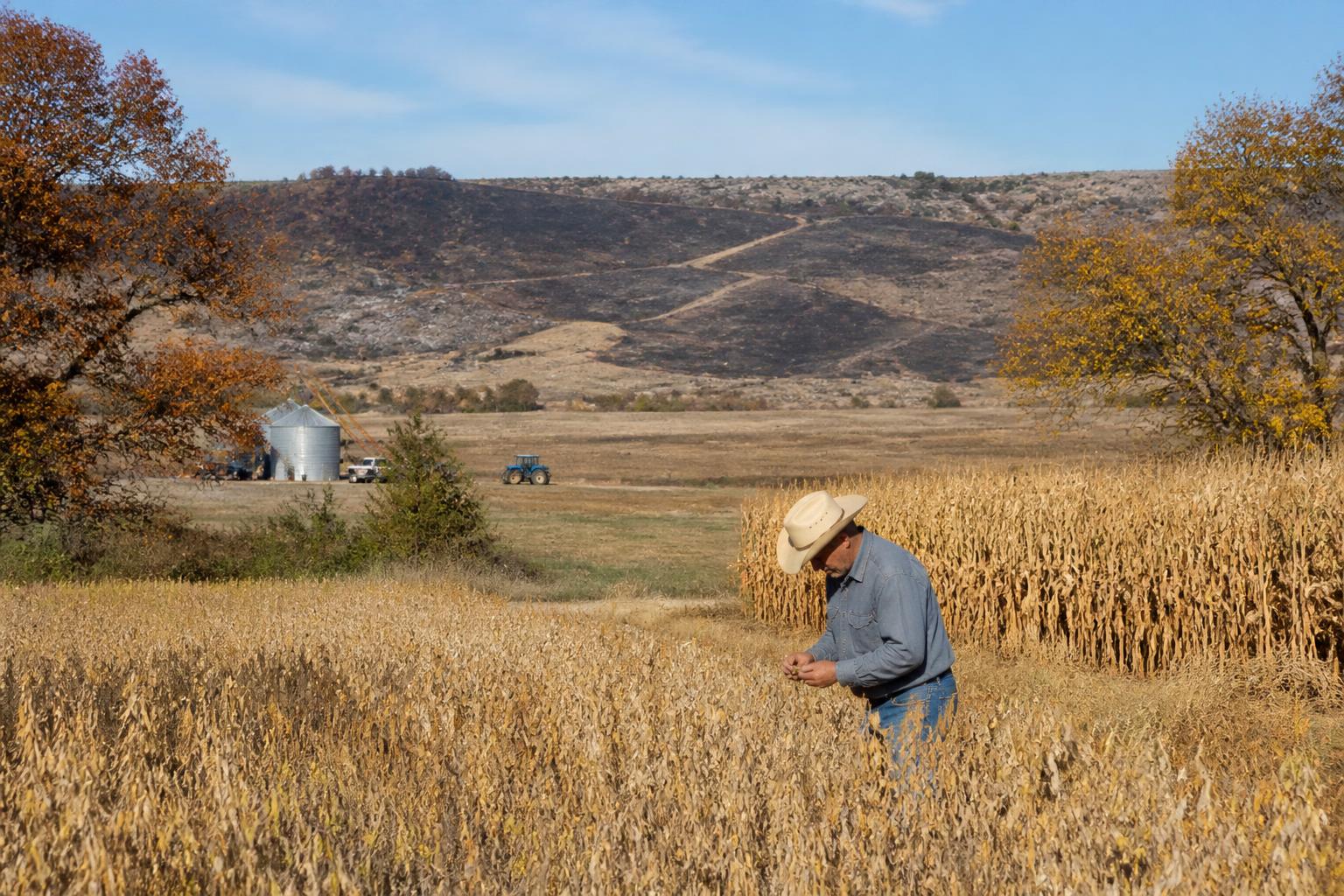
The Texas agricultural landscape is currently shifting into the peak demands of the fall harvest, placing increased pressure on regional supply chains and transport networks. For many operators, this period requires precise coordination between field operations, storage facilities, and regional transport hubs to ensure timely delivery of commodities during these critical months.
Adapting to Updated CDL Regulatory Processes
Recent shifts in the administrative landscape for heavy vehicle operators may impact how farms secure necessary transport capacity. Texas has resumed processing commercial driver's licenses (CDLs) for temporary agricultural workers, a move intended to help mitigate potential driver shortages during high-traffic harvest cycles. With the update, there have been adjustments to testing procedures that operators should account for when onboarding seasonal logistics support. Keeping current on these administrative changes is essential to avoid potential delays in moving crops from local elevators to regional distribution points.
Infrastructure and Logistics Evolution
Regional development continues to influence the flow of agricultural goods across the state. In areas such as Frost, evolving land use and industrial development are changing the traditional logistics routes many producers have historically relied upon. These shifts may necessitate more proactive route planning to avoid congestion, particularly as demand for specialized transport services remains high. For those moving bulk grains or perishables, keeping a close watch on regional road infrastructure status remains a standard practice for maintaining efficient turnaround times.
Logistics Strategy Takeaways
- Regulatory Compliance: Verify the latest testing requirements for temporary drivers to prevent seasonal staffing bottlenecks.
- Route Planning: Account for ongoing commercial and housing development that may impact heavy vehicle accessibility on rural corridors.
- Capacity Management: Prepare for fall harvest mobility by coordinating early with local carriers to ensure equipment availability during peak volume weeks.
What it means for the market
For Texas agribusinesses, the intersection of regulatory updates and shifting regional land use underscores the need for flexible logistics planning this fall. As the harvest momentum builds, producers who prioritize early coordination and stay informed on changing state-level transport mandates will be better positioned to navigate potential bottlenecks and maintain consistent access to critical shipping routes throughout the remainder of the season.
Comments
No comments yet - be the first to share your take.