
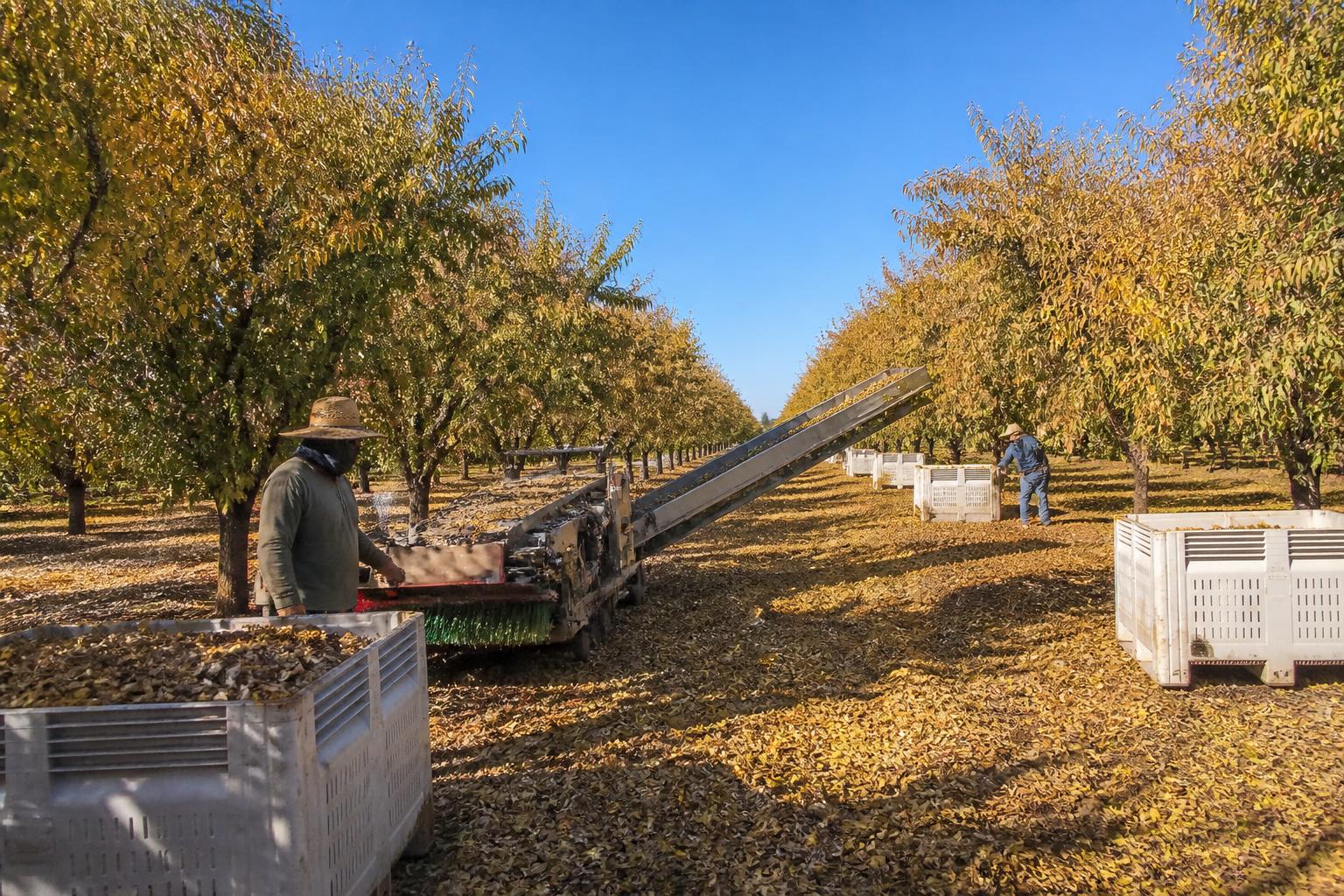
The height of the autumn harvest season across California puts significant pressure on the state’s agricultural supply chains. With orchard operations in full swing and field crops reaching maturity, growers and processors are navigating the delicate balance of moving high volumes of commodities toward storage, packing, or export hubs.
For many producers, the challenge lies in syncing machine-learning-driven yield expectations with the realities of regional transport capacity. As firms continue to digitize, the integration of real-time analytics is helping some operators better forecast their shipping needs, yet the persistent demand for reliable heavy-haul capacity remains a central theme for those managing California ag logistics during peak activity.
Building Resilience in the Supply Chain
Infrastructure investment and workforce development are becoming increasingly critical for local agribusinesses. Efforts to expand export capabilities through key inland transportation corridors are essential for producers looking to mitigate the volatility often seen during busy harvest windows. Furthermore, local initiatives, such as new truck driving academies in the Central Valley, are emerging as practical responses to the labor shortages that can threaten the velocity of the food value chain.
Technology and Sustainability
Innovation continues to play a dual role in market adaptation. From new regulatory approvals for fresh-produce preservation technologies to the adoption of advanced logistics software, the sector is looking for ways to reduce waste and maximize asset utilization. As market pressures evolve, the focus on sustainable agricultural packaging and digitized management tools may provide a slight competitive edge for those able to implement them effectively before the winter slowdown.
Key Takeaways
- Leverage digital logistics platforms to align transport schedules with harvest timelines.
- Monitor local driver availability to avoid potential shipping delays during peak weeks.
- Explore new storage and preservation technologies that may assist in managing post-harvest quality.
What it means for the market: Producers and handlers who prioritize agile logistics and adopt digital tracking tools may find themselves better positioned to weather the current bottlenecks, ensuring that yield reaches its destination before market windows narrow.
Comments
No comments yet - be the first to share your take.