
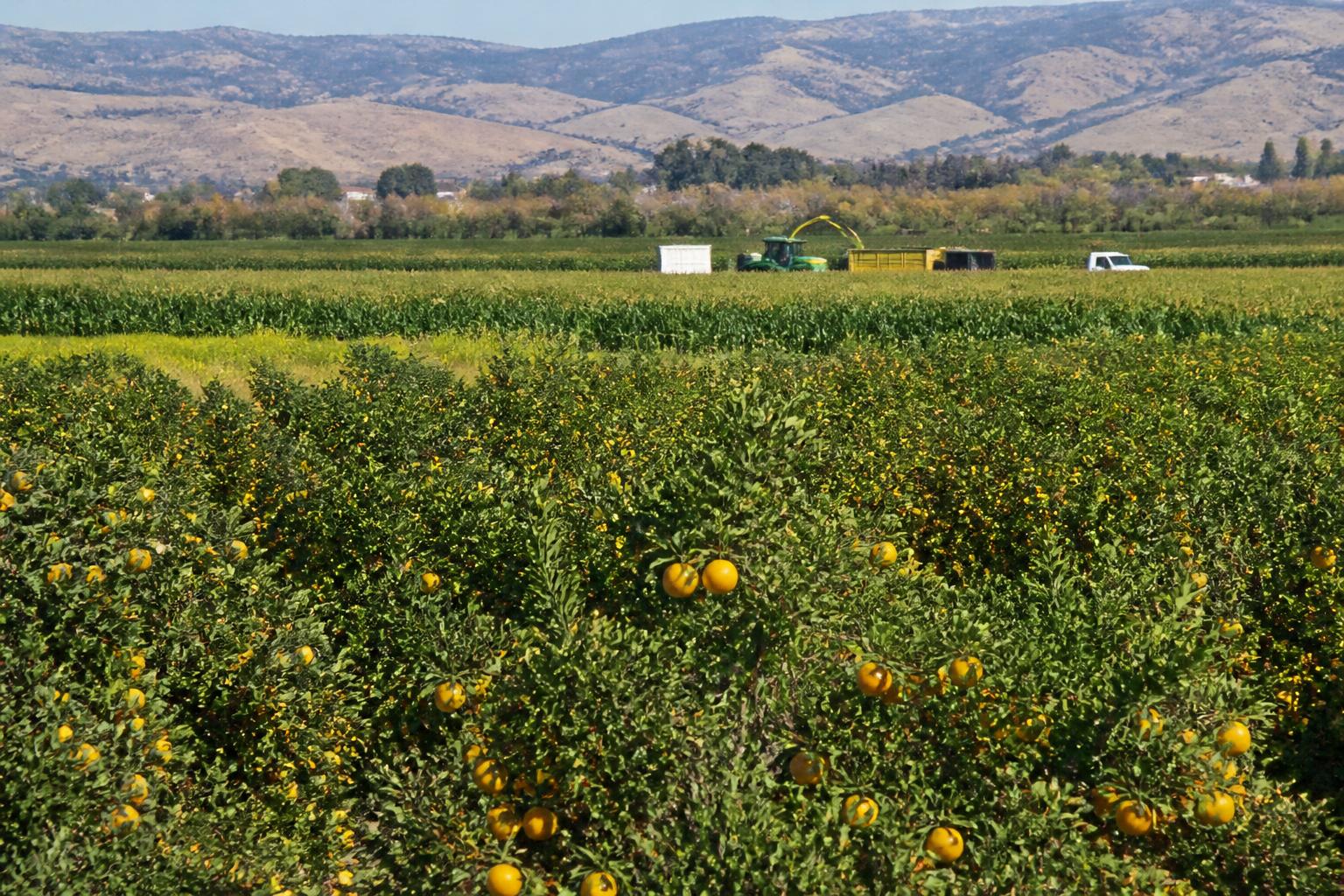
The California agricultural landscape is currently navigating a pivotal transition as the fall harvest season accelerates. Producers across the state, from the fertile corridors of the Central Valley to coastal production hubs, are managing the dual pressure of bringing in high-value specialty crops while navigating an increasingly complex transportation network.
For many growers and shippers, the focus remains on maintaining the integrity of the supply chain amid rising operational costs. Efficient movement of goods is critical, especially as navigating market pressures and regulatory shifts continues to be a primary concern for California's agribusiness community. The interplay between midstream infrastructure and the immediate needs of the farm gate requires proactive coordination to avoid bottlenecks at critical transit points.
Infrastructure and Regional Transit
In regions near major transit hubs and coastal ports, the expansion of logistical infrastructure has significantly transformed the rural landscape. While these developments can offer improved access to export markets, they often introduce new regulatory and operational layers for local farmers. The proximity of large-scale warehouses to prime farmland often requires carriers to carefully plan routes to account for heavy traffic and evolving environmental compliance standards that impact the speed of outbound shipments.
Supply Chain Adaptability
As the state prepares for the movement of diverse seasonal products, ranging from tree nuts to fresh produce, the ability to utilize technology to streamline midstream activities is becoming standard. Startups focused on logistics are increasingly partnering with farmers to provide real-time tracking and improved inventory management. This integration helps address uncertainties in the market, allowing handlers to respond more effectively to the varying demands of both domestic retailers and international buyers.
What it means for the market
For California farmers and logistics providers, the coming weeks demand a focus on operational agility. As the peak of the fall harvest arrives, successful market participation will likely depend on the ability to balance the need for rapid transport with the rising costs of inputs and fuel. Keeping a close watch on regional corridor efficiency will be essential for those looking to maintain profitability through the end of the year.
Comments
No comments yet - be the first to share your take.