
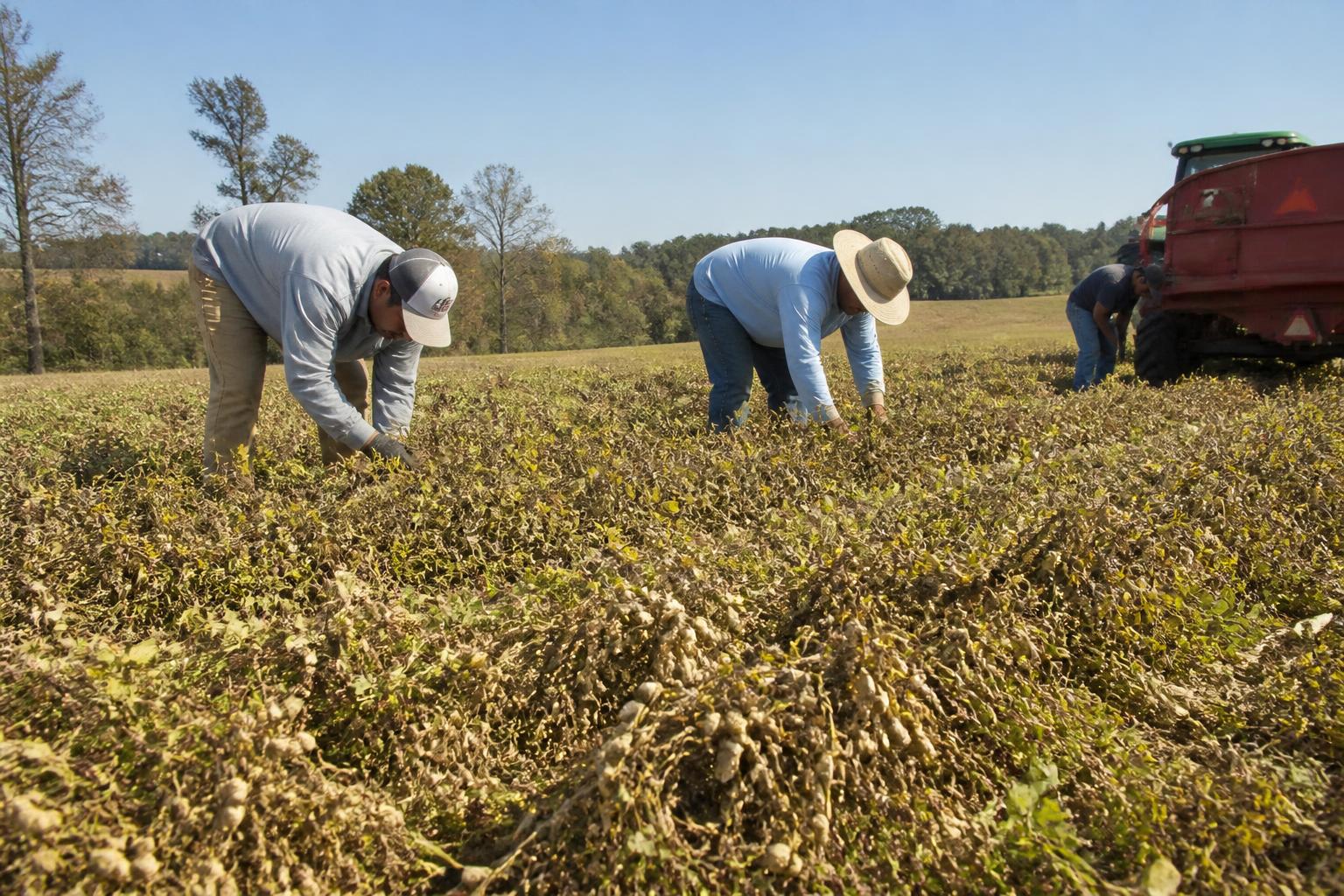
As the fall harvest accelerates across South Carolina, the intersection of crop movement and infrastructure availability remains a critical focus for growers and regional grain handlers. With producers managing varied yields, the coordination of transport to local elevators and regional storage facilities often dictates the efficiency of the season's supply chain.
For those involved in South Carolina grain logistics, this time of year typically brings increased pressure on local road networks. Efficiently managing the flow of heavy machinery and grain-hauling traffic is essential to avoid bottlenecks, particularly in key agricultural corridors where harvest volume often coincides with regional supply chain movements.
Optimizing Seasonal Grain Flow
Producers and carriers are encouraged to maintain active communication with local elevators and storage sites. Planning for peak periods of activity can help mitigate potential delays, especially as facilities work to balance incoming volume with outbound shipping requirements. Maintaining clear, proactive dialogue helps stakeholders adapt to any localized infrastructure constraints or shifts in regional grain market demand.
Managing On-Farm Logistics
Beyond external transport, on-farm efficiency remains a priority. As operations move through their fields, securing consistent access to reliable hauling services early in the cycle can reduce the risk of downtime during critical windows. Establishing contingencies for potential labor or equipment shortages can also provide an important buffer against the volatility often observed during the busiest weeks of the fall cycle.
What it means for the market: The regional logistics landscape in South Carolina currently highlights the necessity of preparation. By anticipating peak harvest volumes and maintaining fluid communication between farms and downstream handlers, agribusinesses can better navigate the logistical challenges of this season, ultimately supporting a more stable and efficient delivery of goods to market.
Comments
No comments yet - be the first to share your take.