
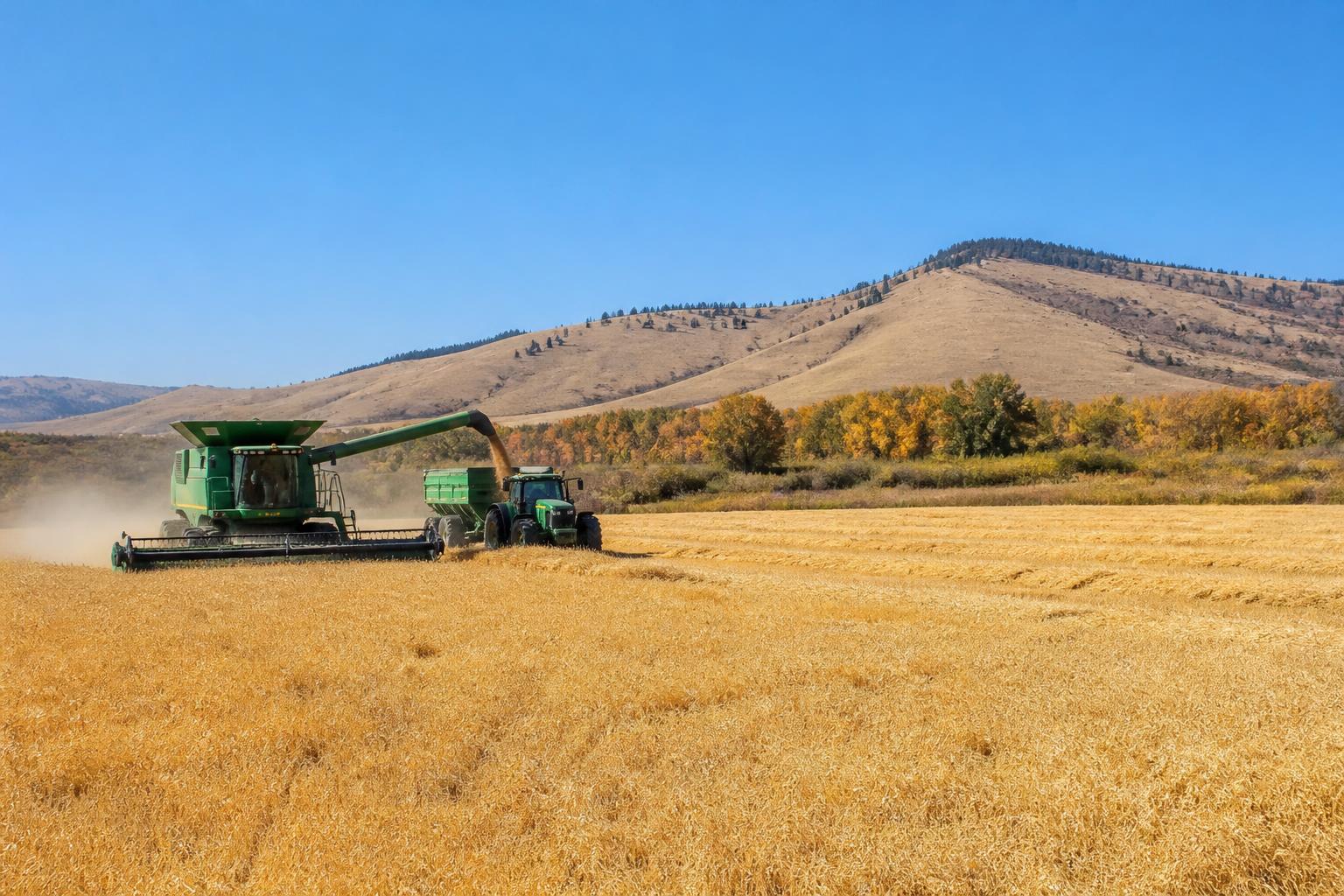
As the fall harvest season hits its stride across Washington, producers and grain handlers are balancing regional infrastructure developments with the complexities of the global export market. Recent upgrades to key agricultural trucking routes in central Washington are offering some relief for local transit, potentially improving movement from farm gates to storage and regional hubs. These logistical adjustments are timely as the industry continues to monitor complex regional grain market hurdles during one of the most critical times of the year.
Infrastructure and Regional Coordination
For many farmers throughout the state, the focus remains on operational efficiency. Recent efforts to streamline transit lanes in central regions aim to mitigate bottlenecks that have historically plagued harvest-time movement. Additionally, the formation of producer cooperatives in parts of southwest Washington reflects a broader trend of local stakeholders seeking to gain more control over storage and distribution networks. This localized approach to supply chain management can be a vital hedge against unpredictable logistics costs and facility availability.
Global Market Dynamics and Trade Outlook
Washington's grain sector does not operate in a vacuum, and international interest remains high. Recent visits from overseas millers, including delegations from Japan assessing the state's crop quality, underscore the Pacific Northwest's ongoing role as a premier source for high-quality wheat. However, producers are also keeping a watchful eye on federal trade discussions and the progress of the current farm bill, both of which may influence long-term export opportunities and support programs for growers.
What it means for the market: Producers should prioritize coordination with local elevators and transport providers early, as infrastructure improvements are only part of the equation. With shifting global trade policies and steady international interest in Washington-grown grain, staying informed on both localized logistical upgrades and federal policy developments is essential for managing risk through the remainder of the fall season.
Comments
No comments yet - be the first to share your take.