
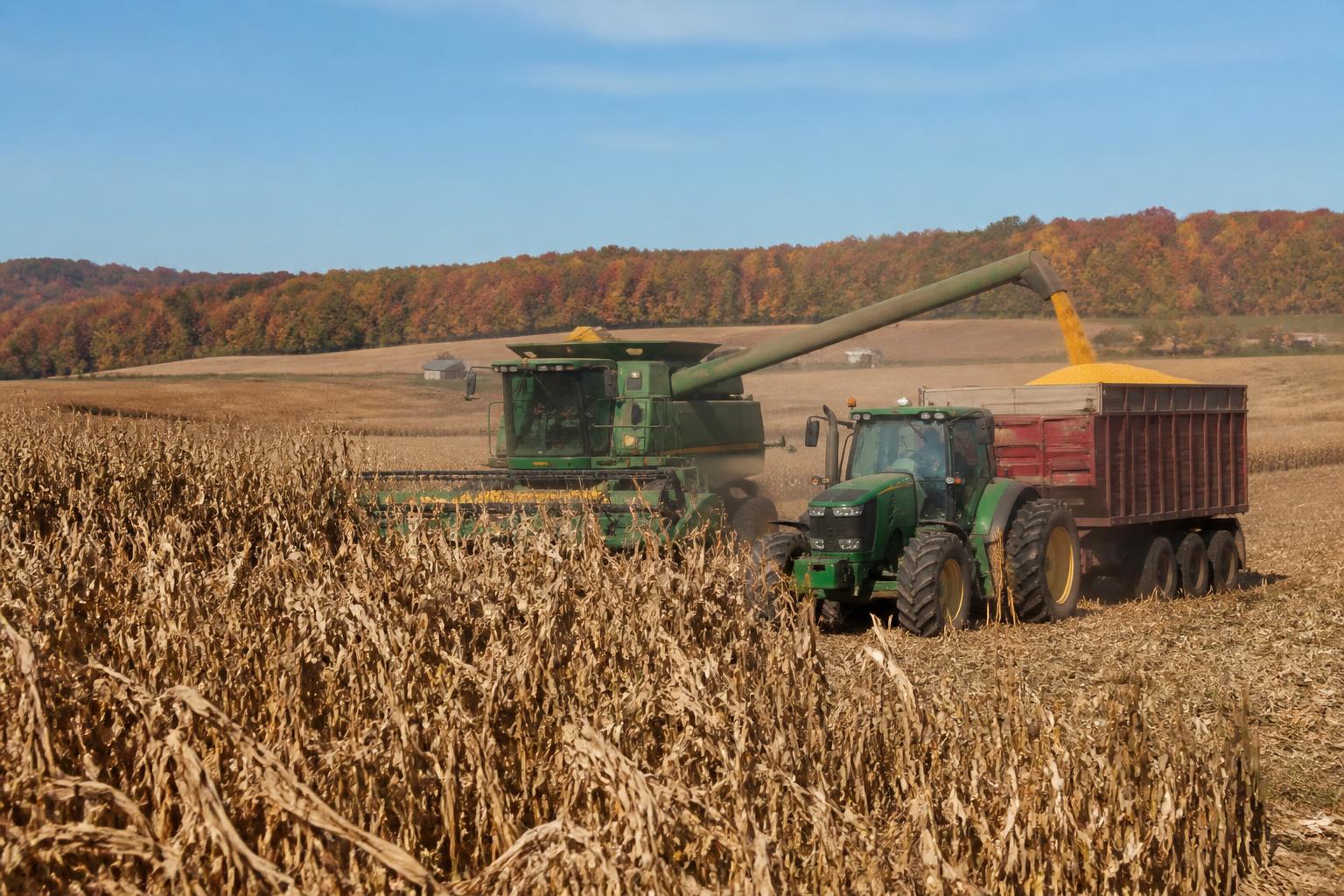
As the fall harvest gains momentum across Washington, growers are facing a complex interplay of regional logistical challenges and shifting international trade dynamics. With combines actively working through fields, the focus has shifted from pre-season preparation to the immediate task of managing crop movement and storage capacity in key agricultural hubs.
For many producers, the current market climate is defined by both the physical realities of the harvest and broader macroeconomic pressures. Managing mounting input costs remains a top priority, even as growers work to maximize efficiency during this critical seasonal window. In some parts of the state, logistical bottlenecks often complicate the timely transport of grain, requiring producers to stay agile in their reliance on local storage and regional infrastructure.
Global Market Headwinds and Export Uncertainty
International demand remains a point of concern for Washington agribusinesses. Recent shifts in trade relations have led some market analysts to suggest that logistics issues and trade uncertainty may continue to pressure price realizations for U.S. commodities. The reduced reliance on certain historical export corridors means that growers are increasingly looking toward diversified marketing strategies to mitigate risk.
Furthermore, uncertainty regarding future demand surges—particularly in key overseas markets—has led to more conservative trading behavior. Growers who typically rely on high-volume exports are finding it necessary to monitor global commodity signals closely as they determine the most effective pace for their grain marketing decisions this season.
What it means for the market
For the Washington grain sector, the remainder of the fall season will likely hinge on the ability to balance domestic supply chain stability with volatile international demand. Producers should focus on localized inventory management and, where possible, secure reliable transport to avoid being caught in regional logistical backlogs. Staying informed on shifting trade policy will be essential for those looking to protect margins in a landscape where traditional demand drivers are showing signs of cooling.
Comments
No comments yet - be the first to share your take.