
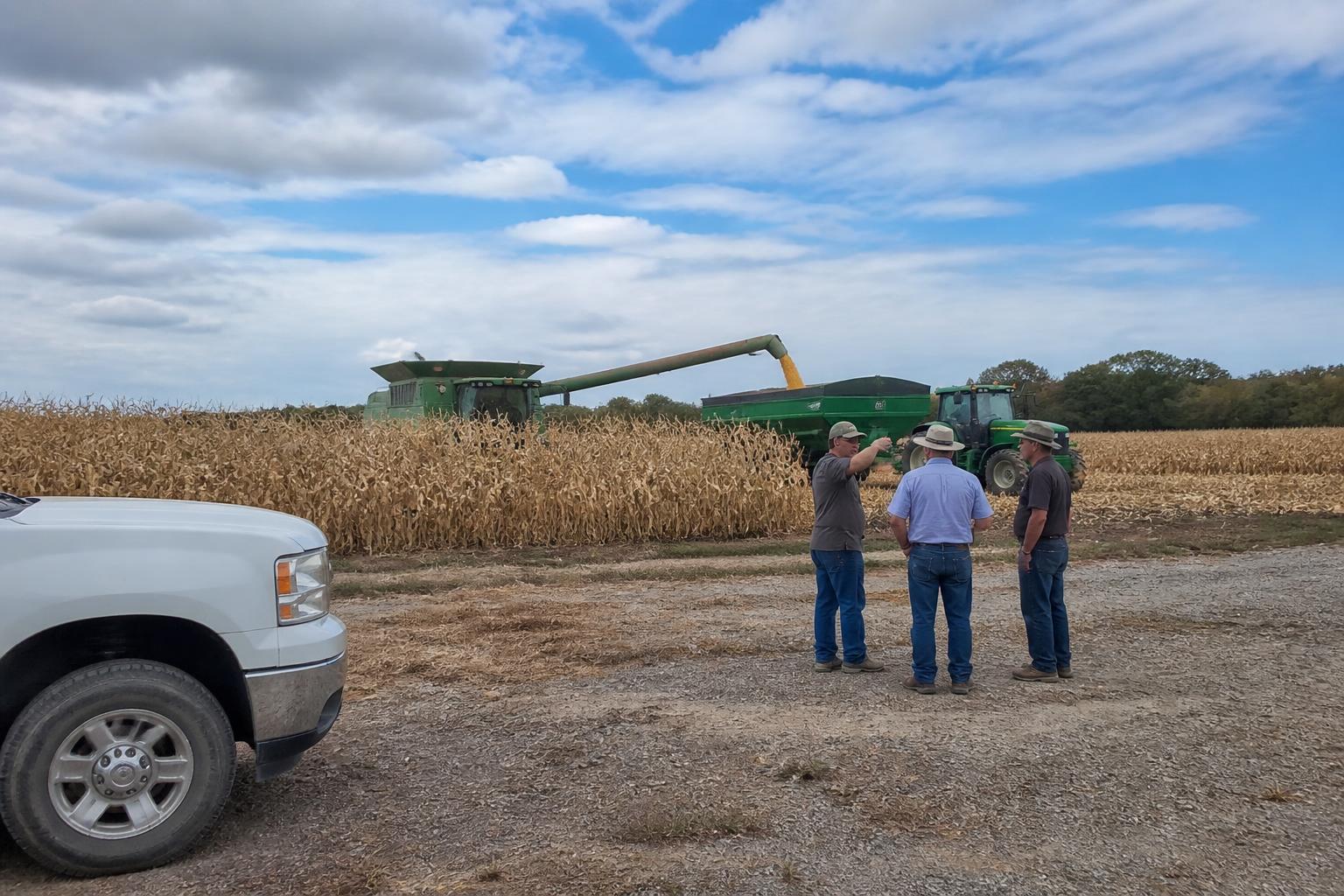
As the fall harvest gains momentum across South Carolina, the agricultural sector is shifting its focus toward efficient crop movement and storage management. For producers and agribusinesses, this period typically involves balancing the pressures of timely transport with the realities of regional infrastructure needs. Whether moving corn, soybeans, or peanuts, coordinating with local grain elevators and trucking services remains a critical component of maintaining profitability during this busy window.
Producers are currently navigating a landscape defined by both opportunity and challenge. While achieving high yields often remains the primary goal, managing the logistics of grain storage and export flows requires proactive planning. Coordination between on-farm storage solutions and terminal capacity can help alleviate bottlenecks that often arise when harvest activity peaks across the state's diverse agricultural regions.
Optimizing Logistics Amid Seasonal Shifts
The movement of commodities from field to market often hinges on the reliability of local transport networks. In many rural counties, secondary roads may experience heightened traffic, necessitating careful route planning for heavy equipment and loaded trailers. Furthermore, as the state navigates shifting market conditions and broader export logistics, staying informed on terminal schedules and potential regional delays can provide a competitive advantage.
Building Resilience in Field Operations
Beyond immediate transport, long-term success often involves integrating precision agriculture and soil health practices to drive yield consistency. Farmers are increasingly leveraging regional expertise and educational forums to refine their production strategies. By focusing on fundamental crop management alongside efficient logistics, growers in the Palmetto State continue to demonstrate resilience despite fluctuating input costs and the complexities of current economic conditions.
What it means for the market
For grain handlers and agribusinesses, the current fall window highlights the importance of open communication lines throughout the supply chain. As harvest activity continues to ramp up, producers who prioritize efficient logistics and monitor terminal capacity may be better positioned to manage the seasonal flow of commodities, ultimately supporting more stable market outcomes heading into the winter months.
Comments
No comments yet - be the first to share your take.