
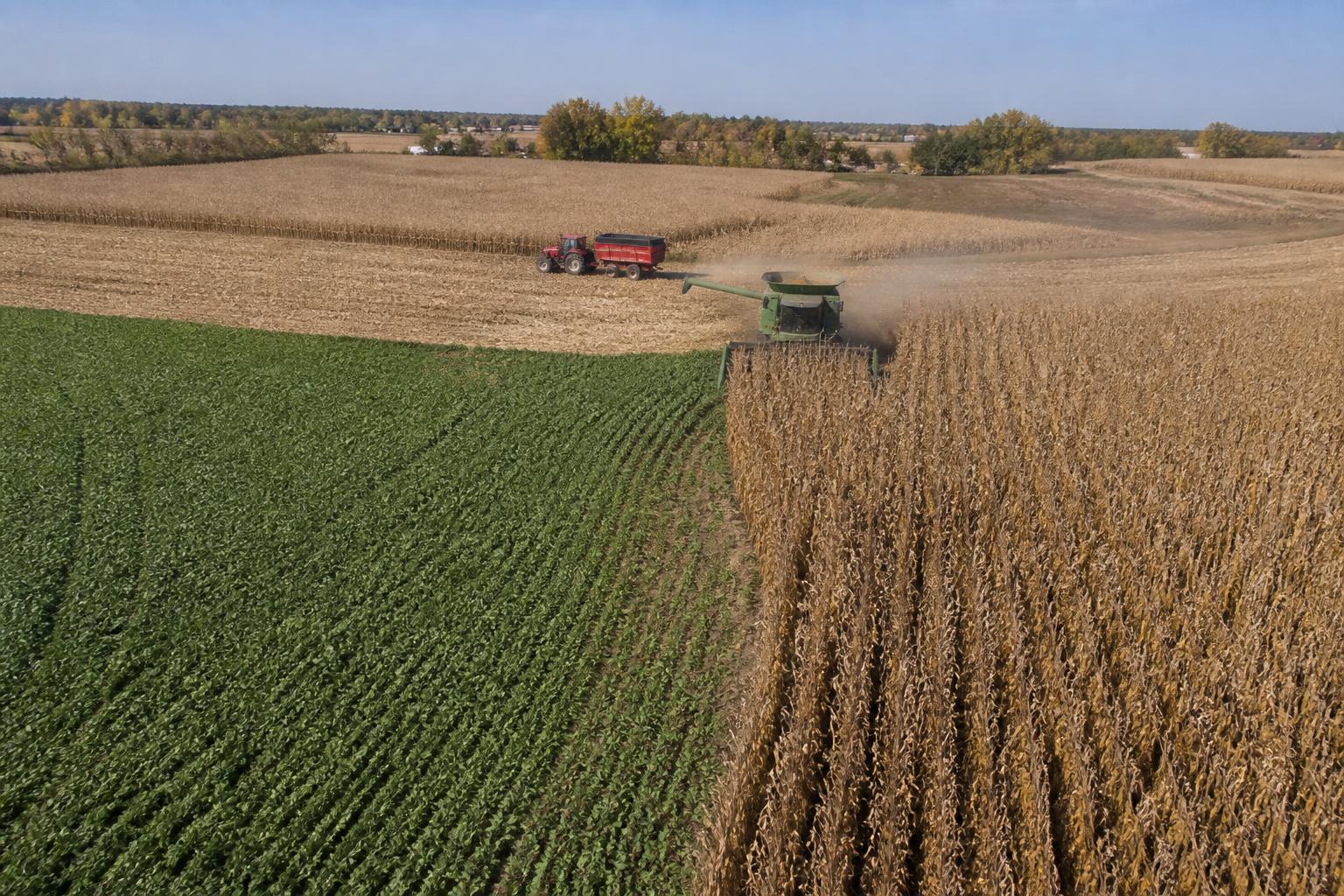
As the fall harvest accelerates across Nebraska, the state's logistics network remains under the spotlight. Farmers and elevators are currently balancing the demands of field operations with the necessity of efficient crop movement. Recent developments, such as the successful dispatch of a unit train of soybean oil from a David City facility, demonstrate the evolving capacity of regional infrastructure to handle increased volume. This shift toward high-capacity unit train shipping is providing a necessary release valve for localized grain storage pressures during the peak season.
Infrastructure and Export Capacity
For many producers, the challenge remains moving the crop effectively when elevator capacity is tested. Strengthening rail infrastructure is becoming a critical component of maintaining margins. As logistics bottlenecks often emerge during the height of the fall rush, these regional infrastructure improvements serve as a vital link between Nebraska fields and global markets. Keeping an eye on rail efficiency can often provide early warnings about potential delays that could impact local basis levels.
Strategic Planning During Peak Season
Beyond rail, producers are evaluating how to better align their harvest timing with available market windows. Understanding the broader trends in harvest risk management allows agribusinesses to better anticipate when storage or transportation might hit capacity limits. With harvest in full swing, monitoring local elevator throughput and the availability of freight remains a practical step for managing operational costs as commodities move toward processing hubs and export terminals.
What it means for the market
For Nebraska farmers and handlers, the current logistics landscape reinforces the importance of early coordination with rail providers and regional processors. As the industry scales toward larger, unit train-based shipping models, those who can secure consistent transit windows are likely to find more stability in a volatile price environment. While local conditions vary, the trend toward modernizing loading capabilities is expected to play a long-term role in stabilizing regional basis and improving market access for the state's grain and oilseed producers.
Comments
No comments yet - be the first to share your take.