
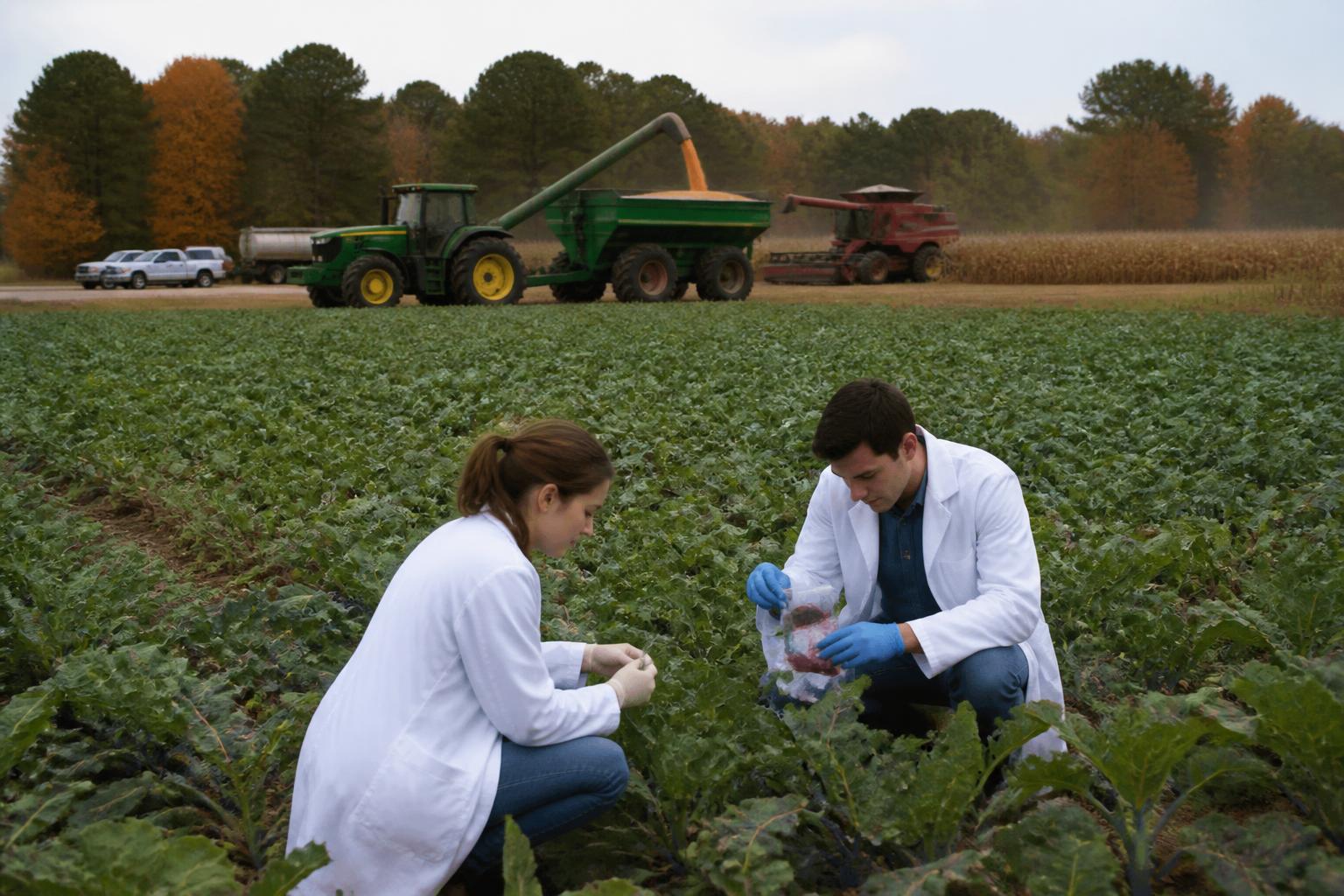
As the fall season hits its stride in South Carolina, the state's agricultural sector remains focused on efficient crop movement and resource management. Growers across regions, from the Pee Dee to the Lowcountry, are navigating the complexities of post-harvest logistics. The demand for reliable transportation remains high, and keeping a close watch on infrastructure constraints and harvest flow is essential for minimizing transit bottlenecks during this critical time.
Maintaining supply chain momentum is vital for the state's producers. Whether it is moving bulk grains toward regional terminals or coordinating specialized loads, the pressure on local rural corridors and highway networks often increases this time of year. Agribusinesses are typically looking for ways to streamline their operations, especially when dealing with the realities of seasonal equipment movement and the need for timely access to input storage facilities.
Adapting to Operational Challenges
The agricultural landscape in South Carolina is also seeing a shift toward greater reliance on technological innovation and local support structures. Recent initiatives to bolster funding for grower projects reflect a commitment to strengthening the state's diverse production capabilities. For transport providers, this means that while volume remains the priority, awareness of evolving regional needs is becoming just as important.
Disruptions in surrounding markets and the broader logistics landscape often emphasize the importance of local partnerships. When transportation capacity fluctuates, many operators find that proactive communication with local elevators and transport coordinators helps in navigating weight-sensitive routes and traffic patterns, ensuring that commodities reach their destination without unnecessary delays.
What it means for the market
For South Carolina farmers and logistics partners, this fall is characterized by a need for agility. With the harvest cycle placing steady demand on trucking and storage, staying informed on localized logistics bottlenecks is a competitive advantage. Operators should continue to prioritize load scheduling and ensure equipment readiness to mitigate the impact of seasonal volatility on the bottom line.
Comments
No comments yet - be the first to share your take.