
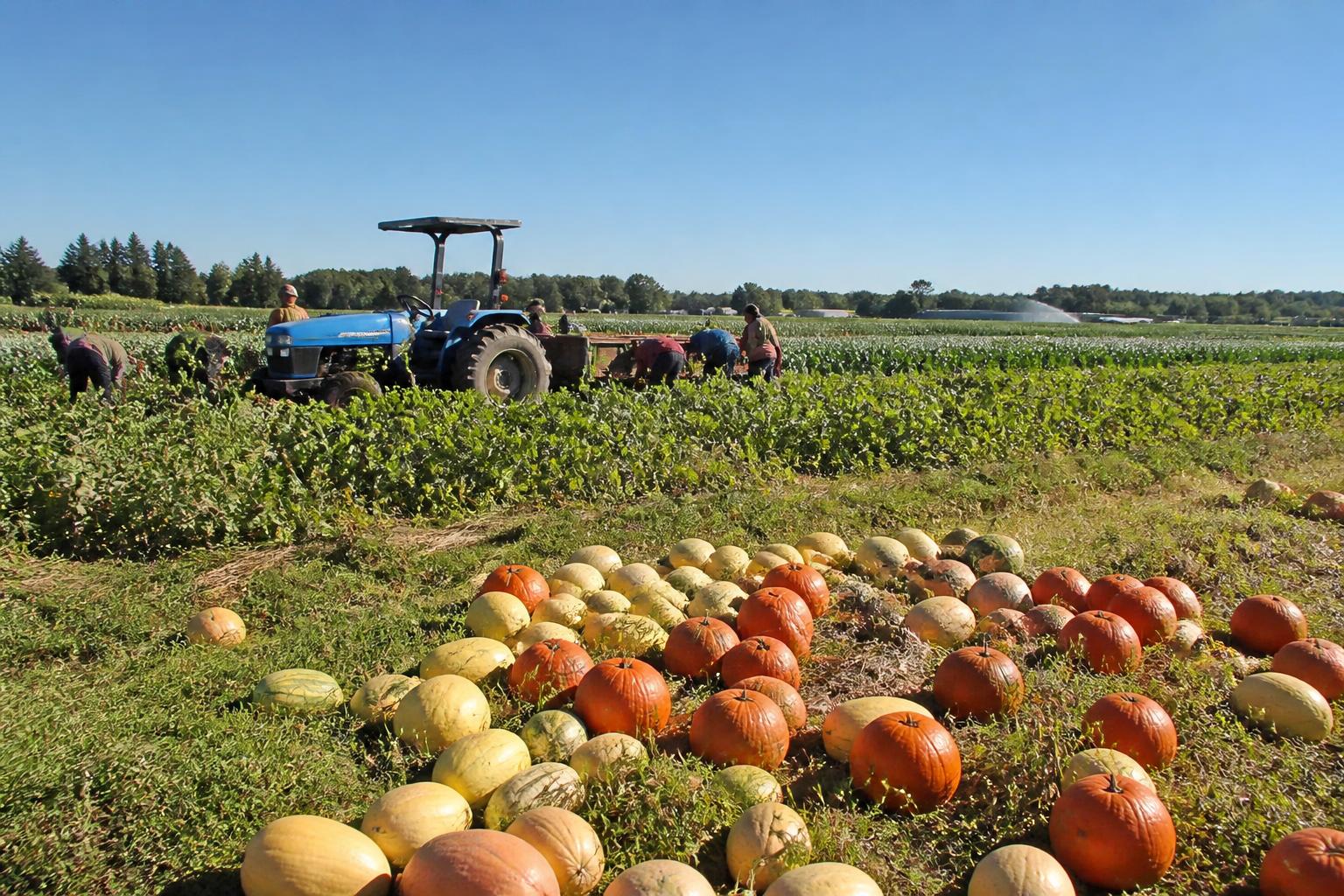
For Florida producers and agribusinesses, the fall season serves as a critical window for assessing both operational resilience and logistics. Whether managing traditional commodity flows or planning for emerging crop transitions in Central Florida, the ability to maintain steady transport routes remains a top priority for local operations. Recent discussions among stakeholders emphasize that fixing core supply chain logistics is essential to ensure that farmers can continue to deliver their products effectively to market.
Operational preparedness extends beyond transport, as the region remains vigilant regarding external threats to stability. Energy providers have been conducting simulation drills to prepare for potential disruptions that could impact power grids and, by extension, the processing facilities and cold storage sites necessary for maintaining food safety and inventory flow across the state. Understanding how to navigate Florida ag supply chain uncertainty is vital for those looking to maintain consistent delivery schedules during unpredictable weather windows.
Input Management and Regional Partnerships
As growers refine their crop management strategies, interest in soil health and nutrient application efficiency continues to grow. Discussions regarding products like Calcium Ammonium Nitrate highlight a broader trend toward precision inputs that can support crop development while minimizing runoff. This focus on resource efficiency complements efforts to improve local food system infrastructure, such as the recent initiatives aimed at fostering regional partnerships to bridge gaps between local production and distribution networks.
For growers and agribusiness operators, these developments underscore the importance of securing a reliable supply of inputs before the peak of the seasonal logistics pressures. Proactive planning for storage and transport during the fall months can help mitigate the risks associated with infrastructure bottlenecks.
What it means for the market
The convergence of infrastructure hardening and logistical advocacy suggests a maturing approach to agricultural commerce in Florida. By prioritizing consistent delivery pathways and resource efficiency, local agribusinesses can better withstand seasonal volatility. Operators should monitor local transport corridors closely and maintain strong communication with suppliers to ensure that input availability aligns with harvest and planting timelines throughout the remainder of the year.
Comments
No comments yet - be the first to share your take.