
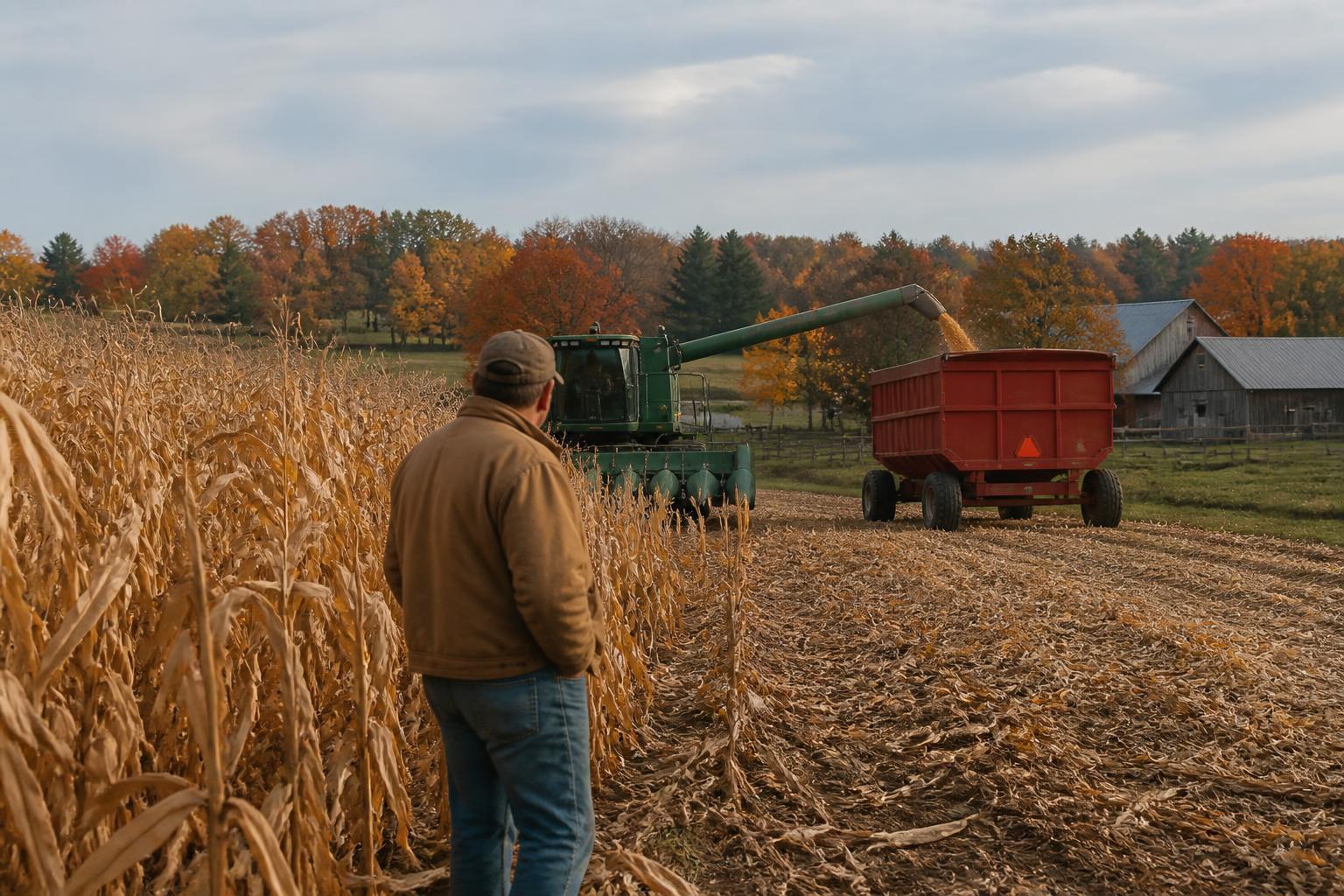
Optimizing Tennessee Grain Movement
As the fall season reaches its peak in Tennessee, corn production remains a cornerstone of the regional agricultural economy. Farmers across the state, from the fertile river bottoms to the rolling hills of the central regions, are navigating the complexities of current harvest logistics. Maximizing efficiency during this window requires careful coordination between field operations and local elevators to ensure that grain moves smoothly through the supply chain.
Producers are often finding that early planning helps mitigate potential bottlenecks at intake facilities. Maintaining a reliable flow of product is essential for those looking to manage input volatility and optimize their bottom line. For more detailed insights on navigating these regional pressures, you can review our recent Tennessee harvest update regarding operating costs and shifting logistical demands.
Infrastructure and Seasonal Demand
Transporting grain effectively in Tennessee often hinges on seasonal road conditions and the capacity of local transport corridors. As heavy machinery dominates rural routes, carriers and producers are reminded to stay alert to standard traffic patterns and weight limitations that may affect transport speed. Maintaining clear communication with local buyers and logistics providers remains the best strategy for avoiding unexpected delays.
What it means for the market
Success in the current market environment relies on a producer's ability to stay informed and flexible. By monitoring local grain intake trends and prioritizing logistical coordination, Tennessee farmers can better protect their margins and ensure their crop moves to market efficiently. As the season progresses, focusing on reliable partnerships and efficient delivery windows remains the most effective hedge against market uncertainty.
Comments
No comments yet - be the first to share your take.