
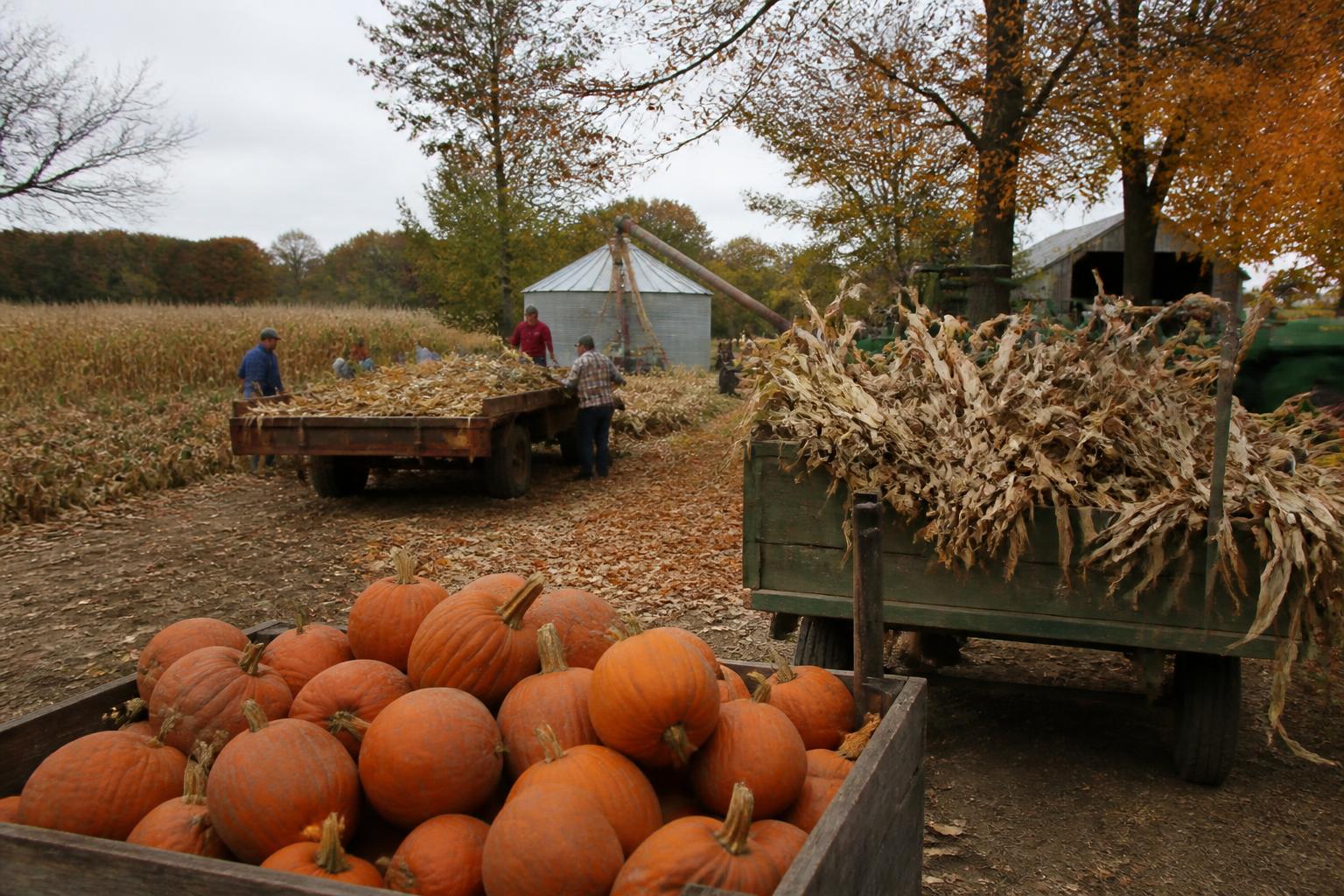
As the fall harvest accelerates across Tennessee, producers are experiencing a productive season, bringing a measure of relief after early-year dryness. While crop yields in many counties are showing promise, the focus remains firmly on the balance sheet. Input costs, particularly for diesel and fertilizers, continue to impact operational planning as farmers navigate the logistical demands of moving grain to elevators.
Managing Operational Pressures
For many agribusinesses and operators, the primary challenge remains the persistent volatility in input pricing. Even with favorable harvest conditions, the cost of moving goods through regional corridors remains a significant factor for profit margins. It is essential for producers to keep a close eye on transport efficiency, as navigating logistics during peak harvest periods can often be the difference between a successful season and one plagued by bottleneck delays.
Regional Growth and Infrastructure
Beyond the immediate harvest, growers in West Tennessee are looking toward emerging market opportunities. The development of new poultry processing facilities in the region may provide a long-term buffer for local grain producers, potentially creating steady, localized demand for corn and soybean output. These shifts highlight a broader trend toward diversifying market access, which can help producers mitigate the risks of relying solely on national commodity fluctuations.
Regulatory and Technical Support
The state continues to invest in agricultural infrastructure to support these transitions. Recent initiatives from the Tennessee Department of Agriculture, including the launch of digital applicator cards, reflect a shift toward streamlining compliance for farmers managing integrated pest and crop protection strategies. Staying current with these digital tools can help minimize administrative downtime, allowing managers to focus more on field operations during critical windows.
What it means for the market
The convergence of a strong yield, persistent input costs, and shifting localized market outlets suggests a period of transition for Tennessee agriculture. Producers should prioritize logistics and cost-containment measures to maximize the value of this year's harvest. Monitoring regional developments—such as new poultry plant capacity and updated state-level regulatory tools—will be key for agribusinesses looking to optimize their supply chain and secure long-term market competitiveness.
Comments
No comments yet - be the first to share your take.