
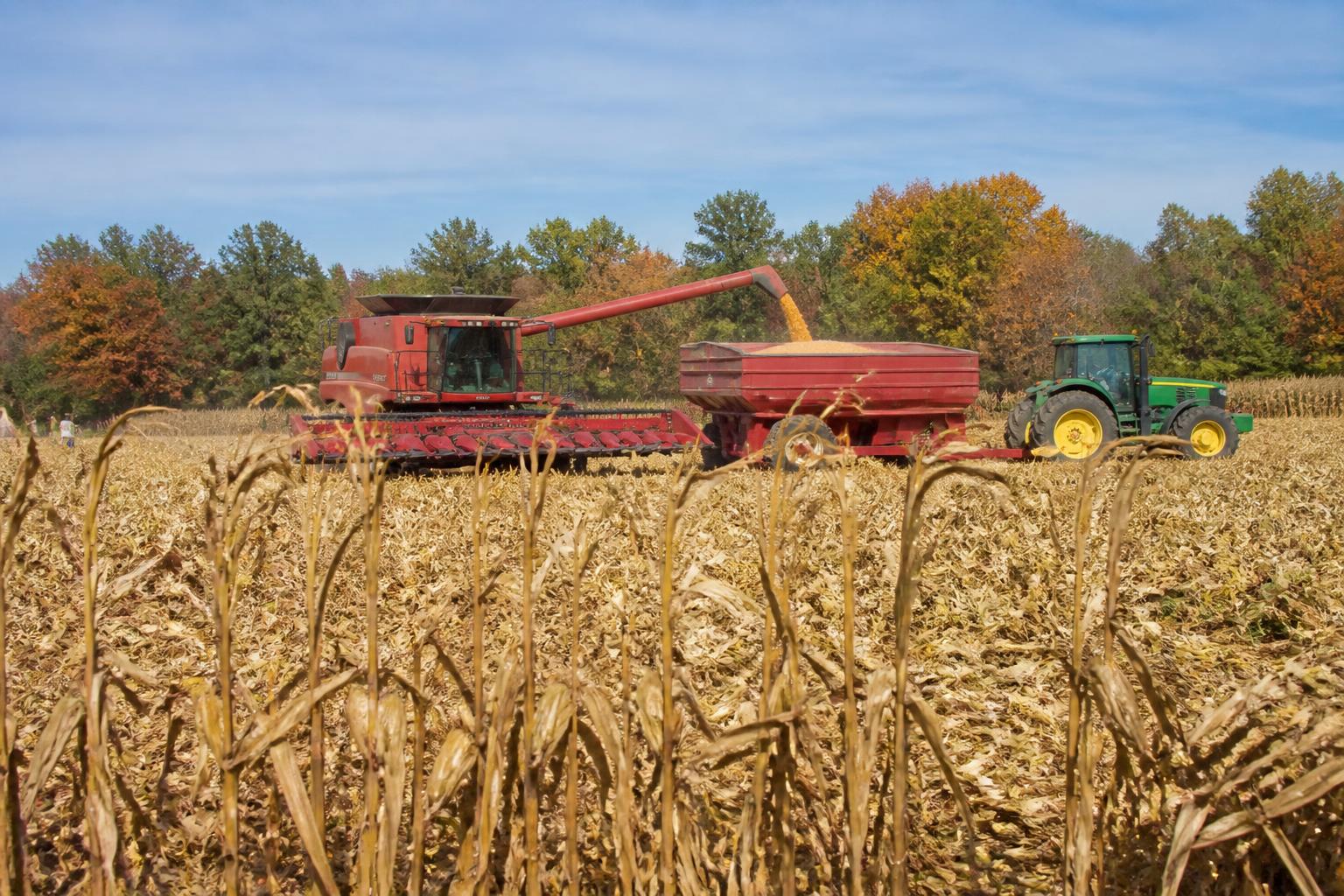
With the harvest season well underway across Montana, many growers are shifting their focus toward post-harvest soil management and planning for the next production cycle. In regions from the high plains of Wibaux County to the varied landscapes of Stillwater and Beaverhead counties, the conversation among agribusinesses and producers is increasingly centered on securing input supplies and managing the logistics of soil nutrition.
While farmers wrap up seasonal fieldwork, there is a renewed emphasis on the resilience of the agricultural supply chain. Recent policy discussions have underscored the importance of providing economic relief to the sector and bolstering the domestic infrastructure for essential inputs. For Montana producers, this translates to a proactive approach in assessing fertilizer availability and pricing, which can fluctuate based on regional distribution capacity and broader market trends.
Managing Operational Inputs During the Off-Season
For many operations, the fall period serves as a critical window to address soil health and plan for potential input price volatility. Integrating logistics into your seasonal planning is essential as transit availability can tighten during peak harvest months. Ensuring that storage capacity is ready and supply lines are established before winter conditions fully set in may help mitigate the risk of delivery delays.
Producers are often encouraged to stay informed on local operational risks that could impact input delivery, including road weight restrictions or regional transportation bottlenecks. Maintaining open lines of communication with local grain handlers and input suppliers remains a practical strategy for anticipating potential shortages and managing costs effectively.
What it means for the market
The market for fertilizers in Montana is currently characterized by a wait-and-see approach as producers finalize harvest and evaluate their budgetary outlooks for the coming year. While national efforts to strengthen the supply chain offer a backdrop of potential stability, local availability remains influenced by transportation logistics and regional demand. For farmers, securing input commitments early can serve as a buffer against the uncertainty of the off-season, helping to keep operations on track for spring planting.
Comments
No comments yet - be the first to share your take.