
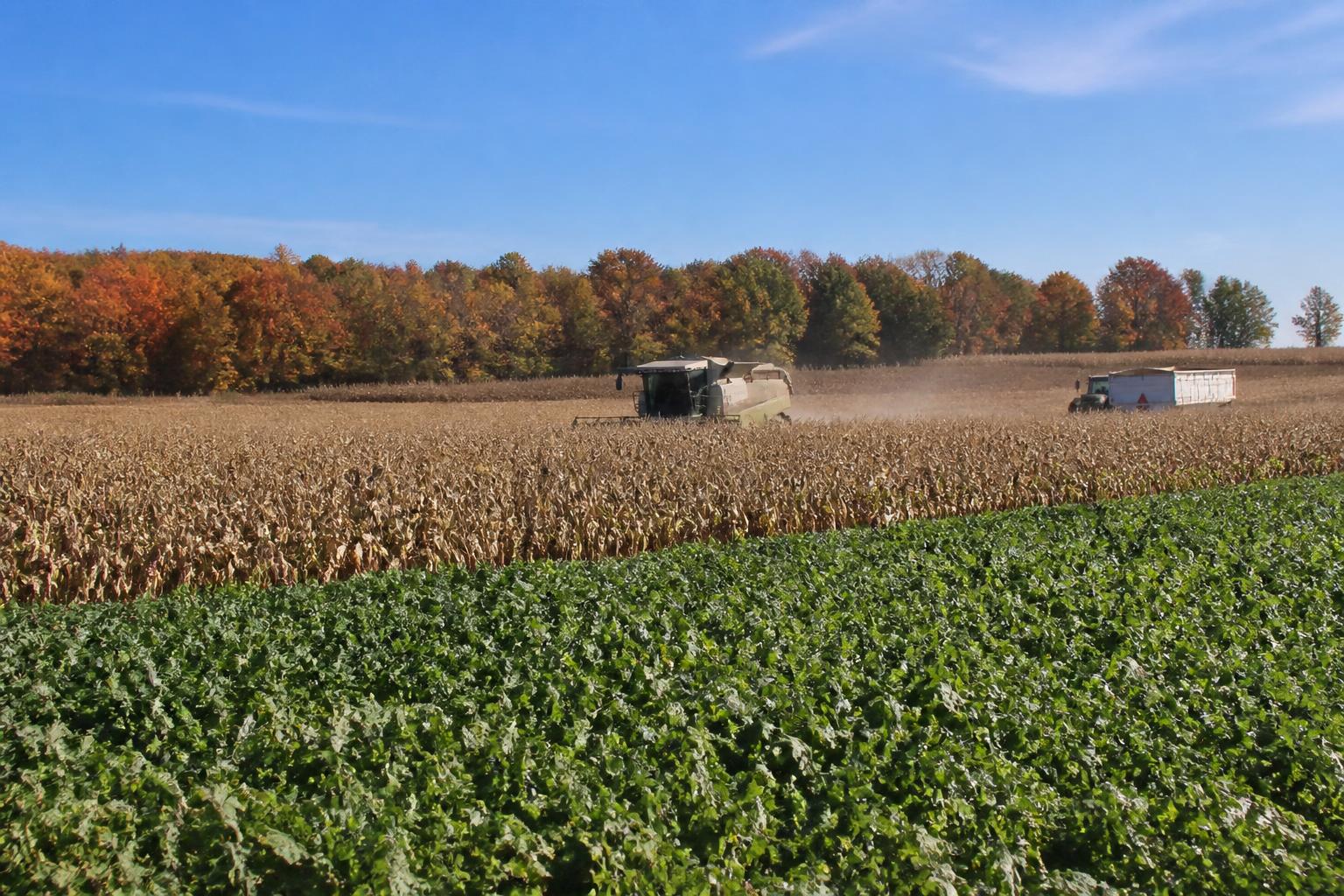
Adapting to Evolving Field Conditions
As the Montana harvest season reaches its critical stages, producers across the state are navigating a complex intersection of environmental pressures and operational constraints. Recent reports from various regions suggest that conditions in local wheat fields have remained unpredictable, necessitating a proactive approach to site management. Whether dealing with moisture variability or localized soil health issues, growers are finding that standard practices may require mid-season adjustments to protect yield potential.
Logistics and Regulatory Considerations
Efficient movement of crops from field to elevator remains a cornerstone of profitability for Montana agribusinesses. Beyond internal farm logistics, producers should monitor how federal and regional policy changes, such as adjustments to road access rules, might impact long-haul transport. Staying informed about optimizing harvest equipment performance and site access is increasingly vital as the fall season matures and weight restrictions or seasonal road maintenance schedules shift in key agricultural corridors.
Risk Management and Resource Planning
The current market environment underscores the importance of resilient planning. From the high plains to the mountain valleys, maintaining high carrying capacity and operational efficiency is paramount. While external factors such as global fertilizer supply chains or distant crop estimates can influence the broader market sentiment, local success in Montana is often dictated by the ability to manage site-specific risks. Regular assessment of equipment and storage capacity can serve as a buffer against unforeseen harvest bottlenecks.
What it means for the market
For Montana farmers and handlers, the path forward involves balancing immediate harvest logistics with long-term soil and infrastructure protection. Market participants should prioritize flexibility in their transportation contracts and maintain clear communication with local storage facilities. By keeping a sharp focus on site-specific field health and logistical efficiency, stakeholders can better position themselves to mitigate the impact of environmental and regulatory variables throughout the remainder of the season.
Comments
No comments yet - be the first to share your take.