
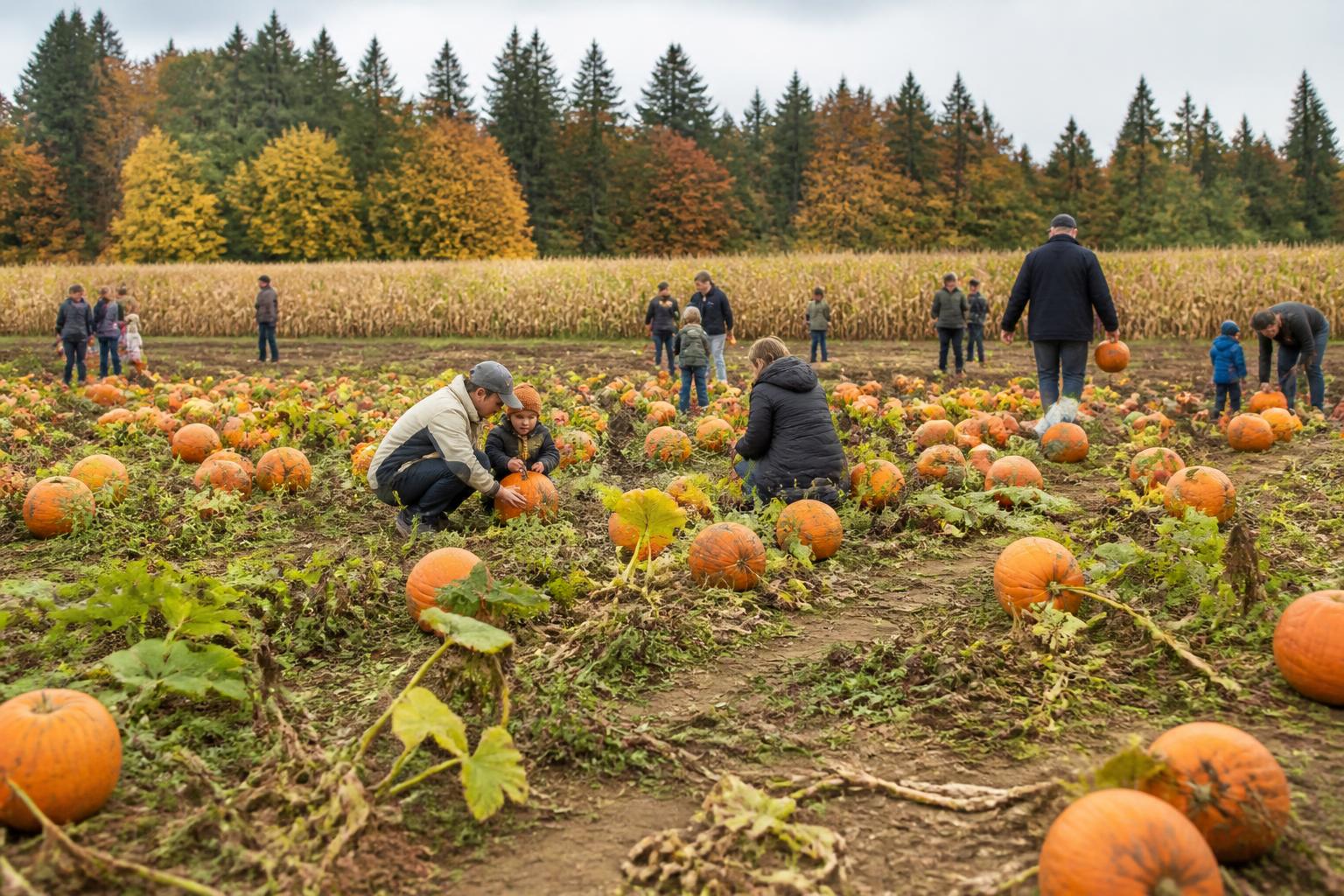
As the fall harvest season continues across Rhode Island, agricultural producers in South Kingstown and beyond are focusing on both operational efficiency and long-term infrastructure improvements. Recent financial support, including a significant $102,000 grant directed toward local food systems, underscores a broader push to modernize facilities and bolster regional supply chains. These investments often serve as a vital resource for small-to-mid-sized farms aiming to improve storage and distribution capabilities during the critical autumn months.
Navigating the Input Market
While local producers focus on seasonal work, many are also tracking shifts in national input costs. Recent reports indicate that several major nutrient categories have seen price declines, providing a potential opening for those planning their winter and early spring soil fertility programs. Understanding these soil health and fertilizer strategies remains essential as producers prepare fields for the dormant season.
However, the sector remains sensitive to broader economic pressures. The USDA continues to monitor market competition and pricing structures, reflecting the need for transparency in how essential inputs reach the farm gate. For those looking to manage costs effectively, staying informed on market-driven price pressures can help in negotiating procurement strategies for the upcoming year.
Building Resilient Infrastructure
Infrastructure remains the backbone of the Ocean State’s agricultural logistics. Whether it is managing farm-to-market roads or investing in on-site processing, the ability to move goods efficiently is paramount. As noted in recent fall logistics updates, maintaining a clear line of sight on transportation capacity helps prevent bottlenecks during peak harvest windows, ensuring that locally grown products reach customers while demand is high.
What it means for the market
For Rhode Island agribusinesses, the combination of targeted grant funding and softening input costs creates a window of opportunity to reinvest in farm productivity. Producers who leverage these resources to optimize their supply chain and refine their nutrient management plans will be better positioned to navigate the economic variables heading into the next planting season.
Comments
No comments yet - be the first to share your take.