
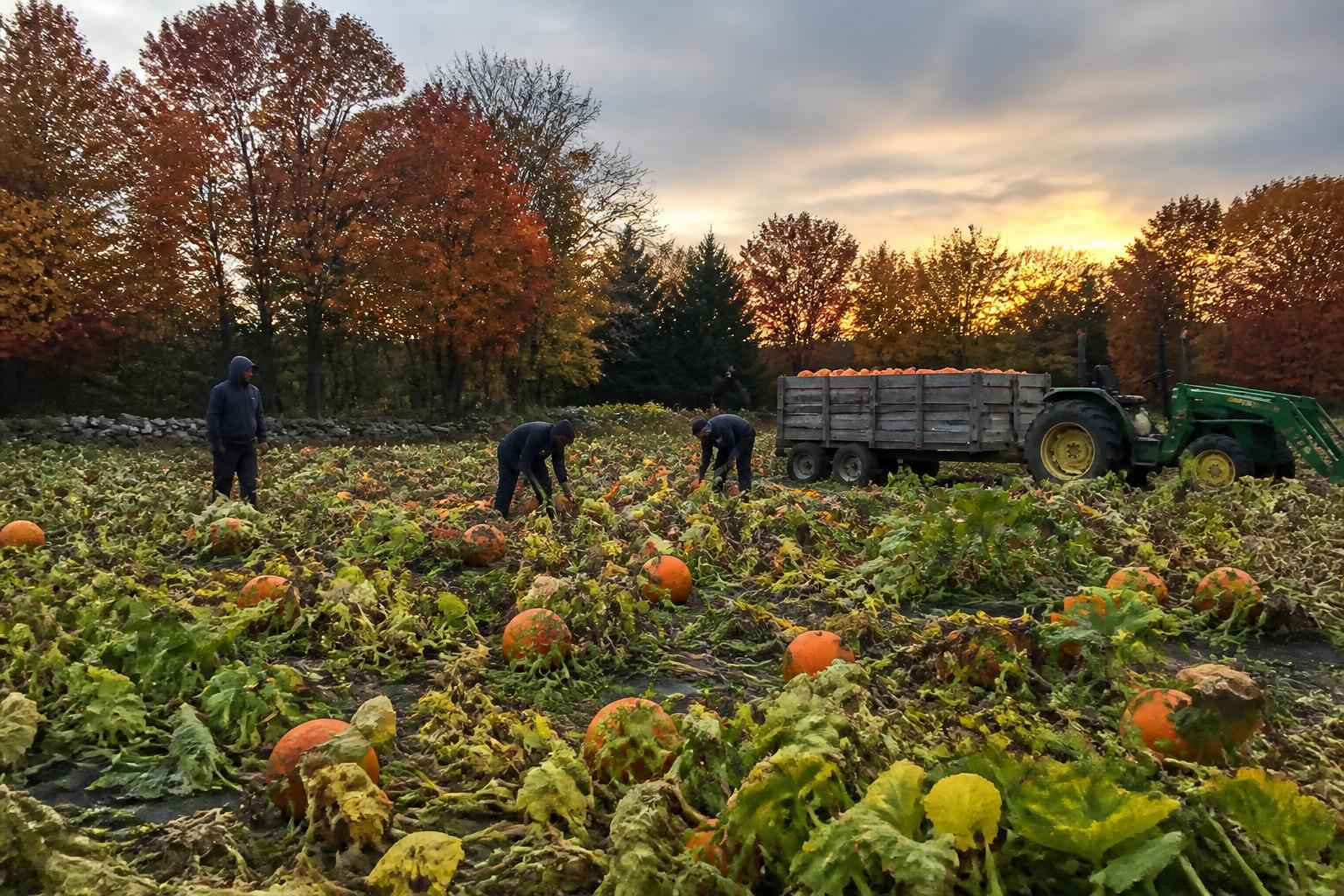
For Rhode Island growers, the fall season represents a critical window for both field management and future planning. As the harvest shifts into high gear, maintaining soil vitality has emerged as a cornerstone of modern crop protection strategies. Integrating sustainable practices now can often provide a buffer against the variable environmental pressures frequently observed across the state's diverse agricultural landscape, from the coastal regions of South Kingstown to the inland fields of Providence County.
As producers manage their end-of-year logistics, there is a renewed focus on leveraging available resources to strengthen operations. Whether through state-backed grant programs for Rhode Island agricultural businesses or by utilizing federal decision tools to assess commodity program options, taking advantage of these opportunities remains a priority. Navigating the complexities of current farm bill discussions is essential for those looking to stabilize their financial planning for the upcoming cycle.
Refining Operational Logistics
Efficient movement of goods remains vital during the harvest months. In many parts of Rhode Island, regional road conditions and infrastructure projects can influence the flow of produce from field to market. Producers are encouraged to stay informed regarding scheduled road maintenance or local logistics shifts that may impact transit times for sensitive specialty crops. Ensuring that cold chain protocols are strictly maintained is one of the most effective ways to mitigate post-harvest loss during this busy period.
Investing in Long-term Resilience
Beyond the immediate demands of the harvest, many growers are actively exploring how to integrate new soil protection technologies. The shift toward focusing on soil health is becoming a notable frontier in U.S. agriculture, offering potential long-term benefits for yield stability. For those managing smaller, high-value operations, staying abreast of fall market realities and logistics can provide the necessary agility to adapt to shifting regional demand.
What it means for the market
The current environment requires Rhode Island farmers to be as strategic with their administrative and logistical planning as they are with their field work. By prioritizing soil health initiatives and aligning operational decisions with available grant support, local agribusinesses can better position themselves to withstand broader agricultural market volatility. Staying engaged with state-level resources and monitoring logistical corridors will remain key to navigating the remainder of the autumn season effectively.
Comments
No comments yet - be the first to share your take.