
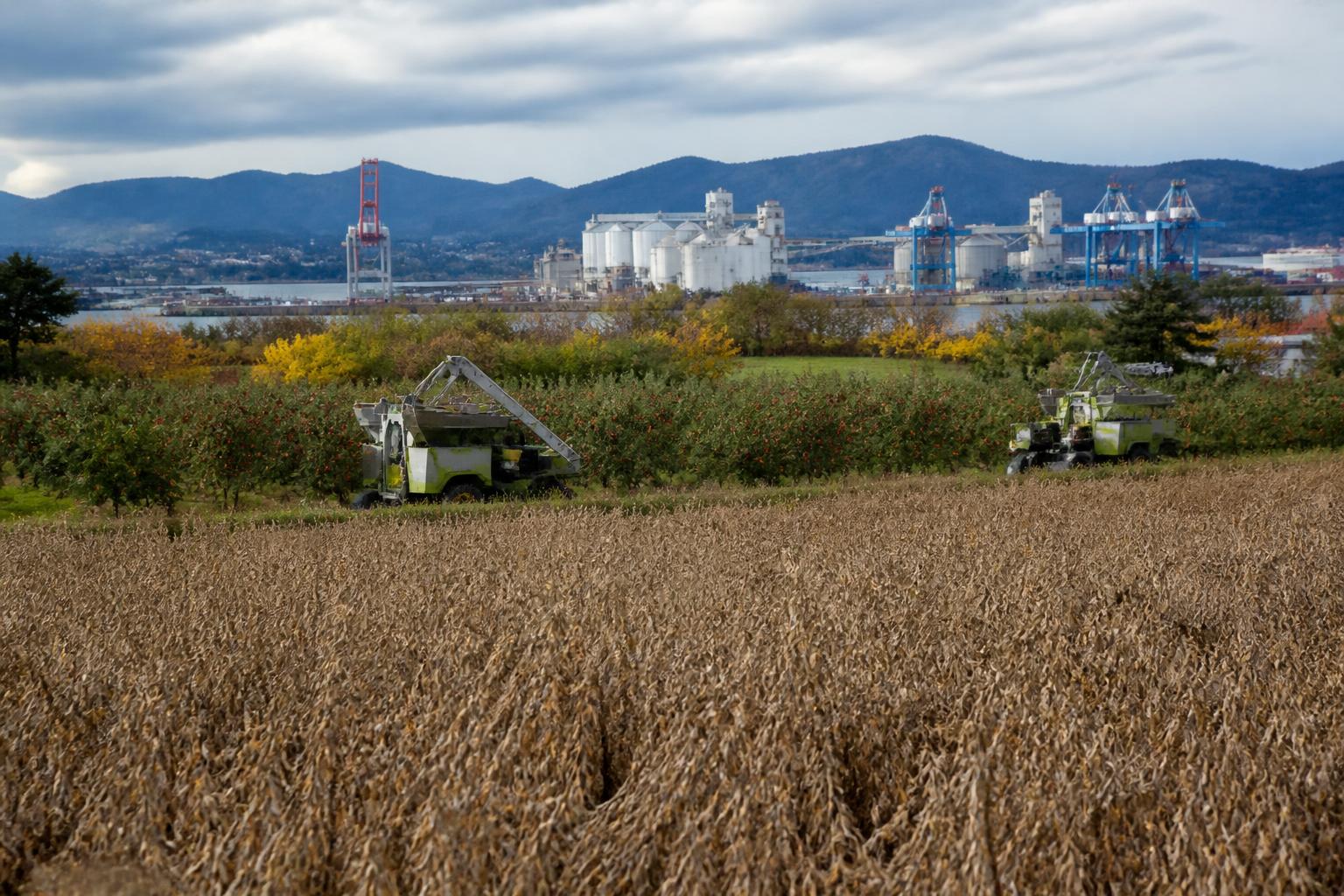
Addressing Infrastructure and Export Capacity
The resilience of Washington state's agricultural export network remains a focal point for regional stakeholders this fall. Recent high-level discussions at the Port of Vancouver underscored the critical link between efficient port operations and the viability of state farmers. As the regional grain sector manages the demands of the current harvest, keeping logistics corridors fluid is essential for ensuring that Washington commodities remain competitive on the global stage. Maintaining robust grain export infrastructure is not merely a logistical requirement but a core strategy for connecting Pacific Northwest farmers to international buyers.
The Growing Call for Precision Agriculture
As farm operations navigate labor and land pressures, the adoption of new technology continues to rise. Researchers in the state are increasingly focusing on robotics and automation, particularly within the tree fruit sector. These advancements are aimed at mitigating some of the persistent operational challenges that growers face, potentially lowering costs and improving yield efficiency in an era of tightening margins. Such technical integration is viewed by many as a vital pivot toward securing the future of state agricultural production.
Navigating Market and Policy Shifts
Policy remains a dominant concern for Washington agribusinesses, with ongoing discussions about the regulatory environment for crop protection and land preservation. Industry leaders are working to ensure that administrative and legislative changes support rather than hinder the operational flexibility of growers. With reports of continued land consolidation and the reduction of active farm units across the state, there is heightened urgency to align policy with the realities of modern production demands.
What it means for the market
For grain handlers, carriers, and input buyers, the current environment necessitates a dual focus on operational efficiency and policy monitoring. While logistics at the ports appear to be a priority for state and federal representatives, farmers should anticipate continued pressure on input costs and the potential for shifts in crop protection policies. Staying informed on regional infrastructure developments and leaning into precision automation may offer a path to stability as the state agricultural landscape undergoes structural change.
Comments
No comments yet - be the first to share your take.